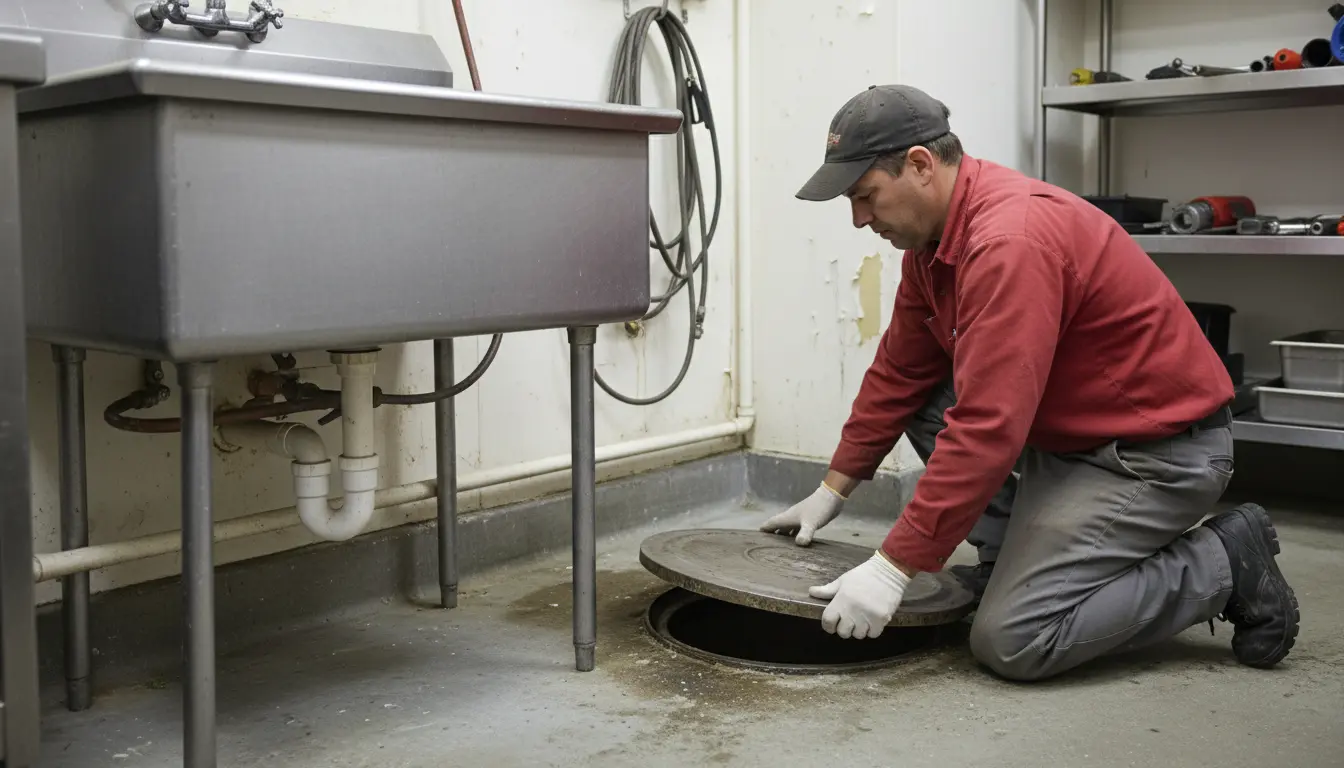
Find the Best Grease Trap Cleaning Companies for Your Business
No obligation • Fast responses • Nationwide coverage

Why you can trust Restaurant Waste Disposal
Restaurant Waste Disposal is a leading U.S. resource for comparing restaurant composting, food-waste recycling, grease trap cleaning, and used cooking oil collection services. Our editorial team researches providers, checks credentials, and organizes unbiased information so operators can make informed decisions. Companies cannot pay to change ratings or placement.
Search providers near you
Top Grease Trap Cleaning Companies in Minot, North Dakota Ranked
For any restaurant, food truck, or commercial kitchen in Minot, proper grease interceptor maintenance is not just a good practice-it's a legal requirement essential for protecting the city's sewer infrastructure. Local regulations, enforced by the Minot Water Reclamation department, mandate regular cleaning and detailed record-keeping to prevent costly blockages, environmental issues, and significant fines. Establishing a consistent service schedule with a licensed provider is the most effective way to ensure compliance, avoid operational disruptions, and contribute to the community's wastewater management efforts.
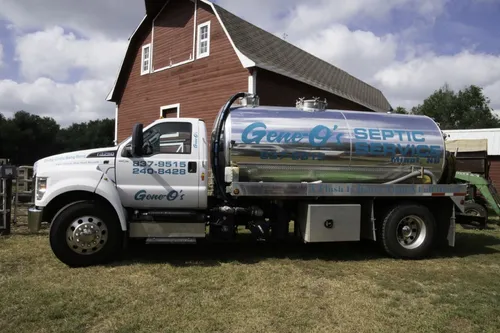
Understanding Minot's FOG Control Regulations
The City of Minot, like most municipalities, has specific ordinances governing the discharge of Fats, Oils, and Grease (FOG) from food service establishments. These rules are designed to prevent sewer line blockages and overflows at the city's water reclamation facility. Compliance hinges on properly maintaining your grease trap or interceptor and keeping impeccable records.
Key regulatory points for Minot businesses typically include:
- Cleaning Frequency: Traps must be pumped at least every three months (quarterly) or when the accumulated grease and solids reach 25% of the unit's liquid capacity, whichever comes first 1 2 3.
- Discharge Limits: Wastewater exiting the trap should generally not exceed local limits for FOG, often set around 400 mg/L, to prevent problems in the public sewer 4.
- Documentation Requirements: You are required to maintain detailed service logs. These records should include the date of service, the name of the pumping company, the volume of waste removed, and the disposal location. These logs must be available for review by city inspectors upon request.
The Inspection Process: What to Expect
The Minot Water Reclamation department conducts inspections to ensure compliance with FOG ordinances. These are often unannounced and can occur during normal business hours. Being prepared is the best defense against violations and penalties.
During an inspection, an official will typically:
- Review Maintenance Records: They will ask for your grease trap cleaning logs for the past year or more. Incomplete or missing records is a common first violation.
- Inspect the Physical Trap: The inspector will examine the trap's condition, checking baffles, lids, and inlet/outlet pipes for excessive buildup, damage, or leaks.
- Assess Overall Compliance: They may check for signs of improper disposal (e.g., grease poured down floor drains) and evaluate staff practices.
Failure to comply can result in written notices, substantial fines, mandatory immediate cleaning at a premium cost, and in severe cases, a suspension of sewer service or business closure 5 6 7. Proactive maintenance is far less expensive than reactive penalties.
Cost Factors for Grease Interceptor Service in Minot
The price for a standard grease trap pumping service in Minot is not fixed; it varies based on several factors. Understanding these can help you budget accurately and avoid surprise charges.
Primary Cost Drivers:
- Trap Size and Type: A small under-sink grease trap will cost significantly less to service than a large, in-ground concrete interceptor. Costs generally range from $175 to $300 for smaller traps and $200 to $500 or more for larger interceptors per service 8 9 10.
- Accessibility and Location: Is the trap easily accessible in a kitchen corner, or is it buried under a concrete pad behind the building? Difficult access requires more labor and equipment, increasing the price.
- Condition and Accumulation: A trap cleaned on a regular schedule will be quicker and cheaper to pump. A severely neglected trap may require hydro-jetting, extra labor for scraping hardened grease, or even emergency service fees.
- Service Contract: Many providers offer discounted per-service rates if you sign up for a scheduled quarterly or bi-annual maintenance plan, which also helps guarantee you never miss a required cleaning.
Find the perfect grease trap cleaning companies for your needs
Get personalized recommendations and expert advice
Building a Compliant Maintenance Routine
Beyond just scheduling pump-outs, a holistic approach to grease management minimizes problems and maximizes compliance. Here are essential steps for Minot restaurant operators:
1. Partner with a Licensed, Reputable Hauler. Your first step is to select a service provider licensed to collect and transport grease waste in North Dakota. They should provide detailed invoices that serve as your official documentation. Always verify their licensing and disposal practices 11.
2. Implement a Preventative Schedule. Mark your calendar for quarterly service, but don't wait for the date if the trap is full. Visually inspect the trap regularly. A preventative contract ensures you're never late and often locks in a better rate.
3. Train Your Kitchen Staff. Human error is a major cause of grease trap issues. Train your team on best practices:
- Scrape food scraps into trash or compost bins before washing.
- Never pour grease, oil, or dairy products down any drain.
- Use sink strainers to catch solids.
4. Maintain Impeccable Records. Create a dedicated binder or digital folder for all grease-related documents. File every service receipt immediately. This binder should be readily available for any manager during an inspection.
5. Know Your Local Ordinance. While general guidelines are helpful, the specific rules for Minot are paramount. Contact the Minot Water Reclamation Department directly to obtain a copy of the local FOG ordinance and confirm all requirements, as they can have unique provisions or updates.
Consequences of Neglect: More Than Just a Fine
Skipping or delaying grease trap maintenance leads to a cascade of problems that extend beyond a fine from the city.
- Sewer Backups and Blockages: The primary purpose of the trap is to protect the public sewer. A failed trap pushes grease into the city's lines, which can solidify and cause backups not only in your own building but also in neighboring businesses and streets. You can be held financially liable for these damages.
- Operational Shutdowns: If an inspector finds severe non-compliance or an imminent public health threat, they can order your business to cease operations immediately until the issue is resolved. This means lost revenue and customer trust.
- Increased Maintenance Costs: A heavily clogged trap requires more intensive labor to clean, often involving high-pressure jetting and manual scraping. Emergency service calls also come with premium pricing, making neglect a costly choice 12.
- Environmental Harm: FOG releases can contaminate local waterways, harming ecosystems and violating environmental protection laws, which carry their own severe penalties.
Investing in regular grease interceptor maintenance is a fundamental cost of doing business in the food service industry. It protects your plumbing, your finances, your reputation, and your community's infrastructure.
Frequently asked questions
Sources
Footnotes
-
Complying with Grease Trap Codes: 5 Essential Tips - https://www.unitedsewerservice.com/complying-with-local-regulations-and-codes-for-grease-trap-maintenance/ ↩
-
Document Viewer | Code of Ordinances - enCodePlus - https://online.encodeplus.com/regs/pleasanthill-ia/doc-viewer.aspx?secid=866 ↩
-
How to Clean a Grease Trap (and How Often You Should) - https://greaseconnections.com/how-to-clean-a-grease-trap-and-how-often-you-should/ ↩
-
APPENDIX A Grease Trap and Interceptor Requirements Definitions - https://fcwsd.org/documents/728/Appendix_A_Grease_Trap_Requirements.pdf ↩
-
Choosing the Right Grease Trap Cleaning and Pump Service - https://www.fcs-inc.org/choosing-the-right-grease-trap-cleaning-and-pump-service/ ↩
-
Grease Trap Regulations and Compliance: What You Need to ... - https://www.texwaywastewater.com/grease-trap-regulations-and-compliance/ ↩
-
A GUIDE FOR FOOD HANDLERS - https://www.hhs.nd.gov/sites/www/files/documents/DOH%20Legacy/FL/F%26L%20PDF/ND_Food_Code_A_Guide_for_Food_Handlers_English.pdf ↩
-
Ultimate Grease Trap Pumping Cost Guide: Essential Money-Saving ... - https://www.texwaywastewater.com/grease-trap-pumping-cost/ ↩
-
Grease Trap Restaurant: The Essential Guide - https://therestaurantwarehouse.com/blogs/restaurant-equipment/grease-trap-restaurant-guide ↩
-
The Cost To Clean A Grease Trap For Restaurants - https://thegreasecompany.com/blog/greasetrapcleaningcost/ ↩
-
guideline 39 - septage, sump and pit waste, and restaurant - https://www.library.nd.gov/statedocs/Health2/Guideline39-WasteMgmt-20101203.pdf ↩
-
Grease Trap Cleaning Prices | Guide on the Industry Average - https://grease-cycle.com/grease-trap-pumping-cost/ ↩