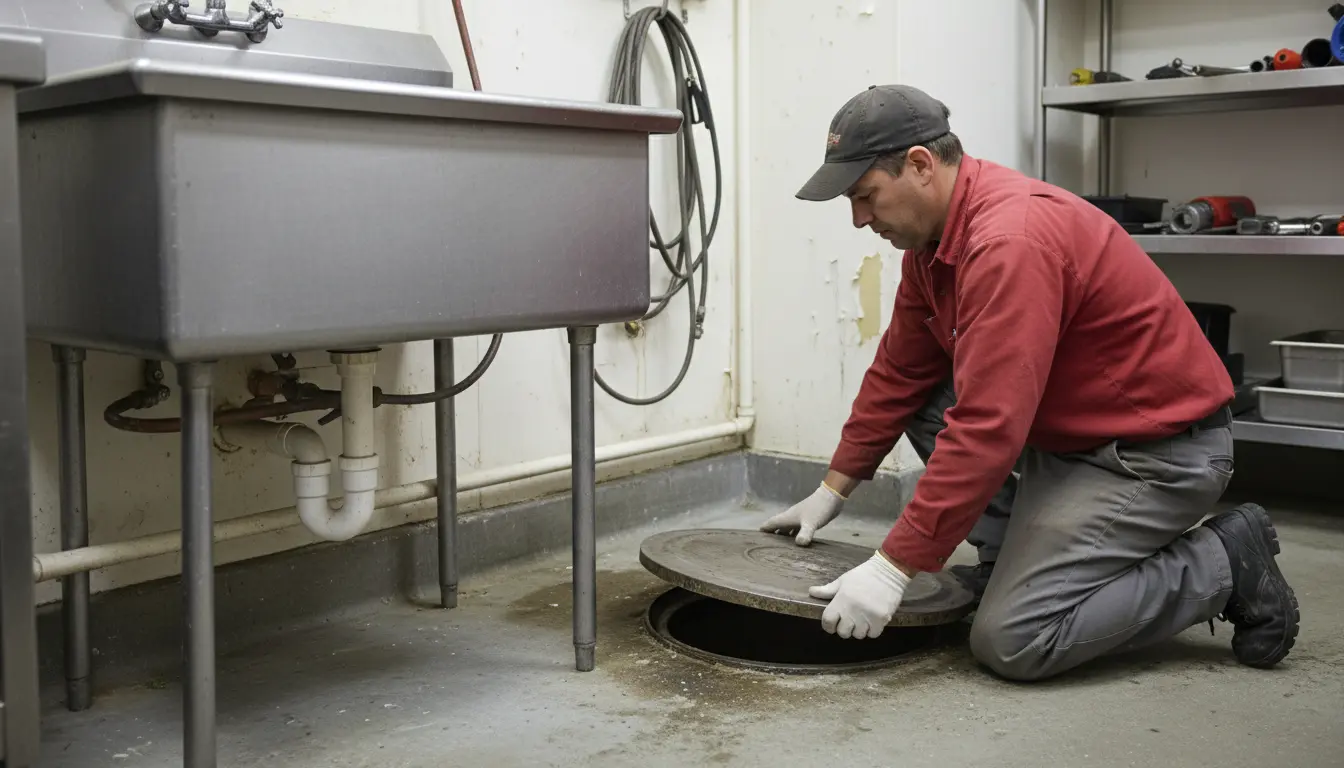
Find the Best Grease Trap Cleaning Companies for Your Business
No obligation • Fast responses • Nationwide coverage

Why you can trust Restaurant Waste Disposal
Restaurant Waste Disposal is a leading U.S. resource for comparing restaurant composting, food-waste recycling, grease trap cleaning, and used cooking oil collection services. Our editorial team researches providers, checks credentials, and organizes unbiased information so operators can make informed decisions. Companies cannot pay to change ratings or placement.
Search providers near you
Best Grease Trap Cleaning Companies in North Dakota Ranked
For restaurant owners and food service operators in North Dakota, managing fats, oils, and grease (FOG) is a critical operational and regulatory responsibility. Proper grease trap and interceptor maintenance is not just about preventing clogs; it's a legal requirement enforced by local and state authorities to protect the public sewer system and the environment. North Dakota's approach combines state-level guidance with specific municipal codes, making it essential for businesses to understand both. This guide provides a clear overview of the regulations, best practices, and cost considerations for effective FOG management in the Peace Garden State.
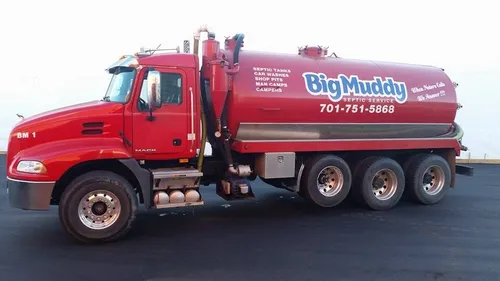
Big Muddy Septic Service
Bismarck, ND
Big Muddy Septic Service provides comprehensive septic and grease trap cleaning services in Bismarck, ND, and surrounding areas. They handle septic inspections, clean outs, restaurant grease traps, car wash and shop pits, as well as industrial pumping needs. Their certified inspectors deliver detailed reports within 48 hours. The company offers 24/7 emergency septic services to address urgent needs at any time. They serve residential, commercial, and industrial clients with a variety of service options tailored to tank size and usage.
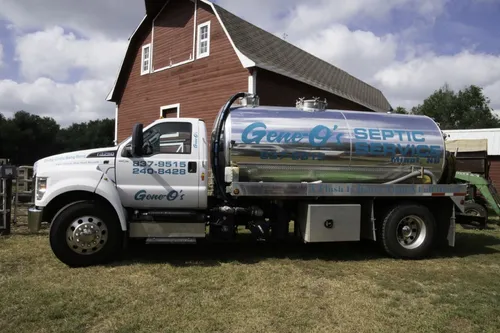
Gene-O's Septic Tank Service
7050 US-2 Suite 108, Minot, ND 58701
Gene-O's Septic Tank Service is a family-owned and operated company based in Minot, ND, with over 30 years of experience. They provide full-service septic solutions including septic tank pumping, installation, inspection, and repairs, as well as grease trap cleaning and portable toilet rentals. Serving Minot and the surrounding communities, they offer additional services such as fresh water delivery and camper pump installations. The company is available for emergency services during evenings and weekends.
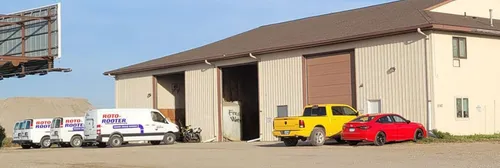
Roto-Rooter Sewer & Drain Service
2267 N 44th St, Grand Forks, ND 58203
Roto-Rooter Sewer & Drain Service is a family-owned business serving Grand Forks, ND, and the surrounding area since 1995. They specialize in drain cleaning, septic tank pumping, sewer line unclogging, and grease trap cleaning for restaurants and car wash pit cleanouts. The company uses advanced equipment and experienced technicians to handle a wide range of sewer and drain issues. They offer 24/7 emergency service for urgent plumbing problems.
Understanding North Dakota's Grease Trap Regulations
In North Dakota, grease trap oversight is a shared responsibility. The North Dakota Department of Environmental Quality (NDDEQ) provides foundational guidelines, while cities and counties enact and enforce specific ordinances. The primary goal is to prevent FOG from entering and damaging municipal wastewater collection and treatment systems, which can lead to costly sanitary sewer overflows (SSOs).
The NDDEQ's Guideline 39 outlines proper management practices for haulers who pump and dispose of grease trap waste, classifying it alongside septage and other liquid wastes. This means your service provider must adhere to specific rules for transportation and disposal. However, the frequency of cleaning, trap sizing, and permitting for your establishment is typically governed by your local Industrial Pretreatment Program (IPP) under city code.
For example, the City of Bismarck has detailed regulations in Title 11.2 of its municipal code, which serves as a model for other jurisdictions in the state. These local ordinances are where you'll find the enforceable rules your business must follow.
Key Regulatory Concepts: The 25% Rule and Minimum Frequency
Most North Dakota jurisdictions base their cleaning requirements on two interconnected standards:
- The 25% Rule: This is a common benchmark that mandates cleaning when the accumulated FOG and solids reach 25% of the liquid depth or volume of the trap or interceptor 1. This is designed to maintain adequate hydraulic capacity and separation efficiency.
- Minimum Cleaning Frequency: Local codes often specify a minimum service interval (e.g., monthly, quarterly, or semi-annually) to ensure compliance regardless of visible accumulation. In many cases, the rule is to clean when the trap is 25% full or at a set time interval, whichever comes first 2 3.
For high-volume establishments, especially those with significant frying operations, the 25% threshold can be reached quickly, necessitating service as often as twice per month 4. It is the restaurant's responsibility to monitor accumulation and schedule service accordingly to avoid violations.
Permitting and Proper Disposal: Working with Licensed Haulers
You cannot simply hire any company to handle your grease trap waste. In North Dakota, grease trap pumpers are required to obtain a Hauler's License, often issued by the local health department or public works agency, to transport what is classified as "Offal Waste" 5.
When selecting a service provider, always verify they hold a valid local hauler's permit. This license ensures:
- The hauler is insured, protecting you from liability in case of a spill or accident during service.
- The waste is transported to an approved disposal or recycling facility, such as a wastewater treatment plant, landfill, or rendering plant, in compliance with NDDEQ guidelines 6.
- They maintain records (often called "trip tickets") of each service, which you should keep for your own compliance documentation.
Using an unlicensed hauler can result in fines for your business and contributes to improper waste disposal. A licensed professional understands the state's Guideline 39 requirements for managing this specific waste stream.
Cost of Grease Trap Cleaning Services in North Dakota
The cost for professional grease trap pumping and cleaning in North Dakota is a predictable operational expense. Prices vary based on several factors, but understanding the typical range helps in budgeting.
Standard Routine Pumping: For a standard service visit to pump out the accumulated FOG and solids, restaurants can expect to pay between $125 and $315 on average 7. The final price within this range depends on:
- Trap Size and Volume: Larger interceptors require more labor and disposal capacity.
- Accessibility: Easily accessible, outdoor traps are less expensive to service than confined, indoor units.
- Location: Travel distance for the service provider can affect the price.
Service Contracts and Discounts: Many providers offer monthly or quarterly service contracts. Opting for a scheduled contract can provide a 10-15% discount compared to one-off service calls and often includes annual inspections. This approach ensures consistent compliance and can prevent emergency situations.
Additional and Emergency Services:
- One-Time or Emergency Cleaning: Urgent service calls outside a contract can cost 50-100% more than standard rates.
- Inspections: A formal inspection and report can range from $50 to $150.
- Deep Cleaning/Jetting: For thorough cleaning of inlet/outlet lines and interior walls, prices may range from $200 to $400 8.
- Bio-remediation: Adding bacterial treatments to break down grease between pumpings can cost $100-$300 per application 9.
Find the perfect grease trap cleaning companies for your needs
Get personalized recommendations and expert advice
Best Practices for Restaurant FOG Management
Compliance is more than just scheduling a pump-out. Proactive FOG management protects your plumbing, reduces service frequency, and minimizes regulatory risk.
- Train Your Staff: Ensure kitchen staff understand what can and cannot go down the drain. Scrape food scraps into compost or trash, not the sink. Avoid using hot water and detergents to "melt" grease down the drain-it will solidify further down the line.
- Keep a Maintenance Log: Document every service visit, including the date, hauler name, volume removed, and the waste destination (noted on the trip ticket). This log is your first line of defense during a compliance inspection.
- Know Your Local Code: Contact your city's Public Works or Water Utility department to obtain a copy of the local grease control ordinance. Don't rely on generic guidelines; your specific requirements for trap size, cleaning frequency, and reporting are in this document.
- Size Matters: Ensure your grease interceptor is correctly sized for your kitchen's flow rate and FOG production. An undersized trap will require impractically frequent cleaning, while an oversized one may not function efficiently. Local codes provide sizing formulas.
- Prevent Emergencies: Schedule your next service appointment before the technician leaves. Adhering to a regular schedule based on your establishment's needs is far more cost-effective than reacting to a backup or a violation notice.
Balancing high kitchen production with proper trap maintenance is key to smooth operations. By partnering with a licensed hauler, maintaining good records, and following local codes, North Dakota restaurants can manage this essential task effectively, avoiding fines and contributing to the health of their community's infrastructure 10.
Frequently asked questions
Sources
Footnotes
-
North Dakota Town Updates Grease Trap Ordinance - https://replaceyourgarbagedisposal.com/grease-trap-clogs/north-dakota-town-updates-grease-trap-ordinance/ ↩
-
Title 11.2 - BismarckND.gov - https://www.bismarcknd.gov/DocumentCenter/View/50252/Title-112---Industrial-Pretreatment-Program ↩
-
City Regulations/Local Ordinance for Grease Interceptors - https://www.greaseguardianusa.com/city-grease-trap-codes/ ↩
-
How Often Should Grease Traps Be Cleaned? - FCS, Inc - https://www.fcs-inc.org/how-often-should-grease-traps-be-cleaned/ ↩
-
Grease Trap 101: Grease Hauling Permits - https://foodgreasetrappers.com/2016/02/grease-trap-101-grease-hauling-permits/ ↩
-
guideline 39 - septage, sump and pit waste, and restaurant - https://www.library.nd.gov/statedocs/Health2/Guideline39-WasteMgmt-20101203.pdf ↩
-
Ultimate Grease Trap Pumping Cost Guide: Essential Money ... - https://www.texwaywastewater.com/grease-trap-pumping-cost/ ↩
-
How Much Does it Cost to Clean a Grease Trap Professionally? - https://www.jsewerandplumbing.com/how-much-does-it-cost-to-clean-a-grease-trap-professionally/ ↩
-
Grease Trap Cleaning Prices | Guide on the Industry Average - https://grease-cycle.com/grease-trap-pumping-cost/ ↩
-
guideline 39 - septage, sump and pit waste, and restaurant - https://deq.nd.gov/Publications/WM/Guideline39SeptageSumpAndPitWasteAndRestaurantGreaseTrapWasteManagement.pdf ↩