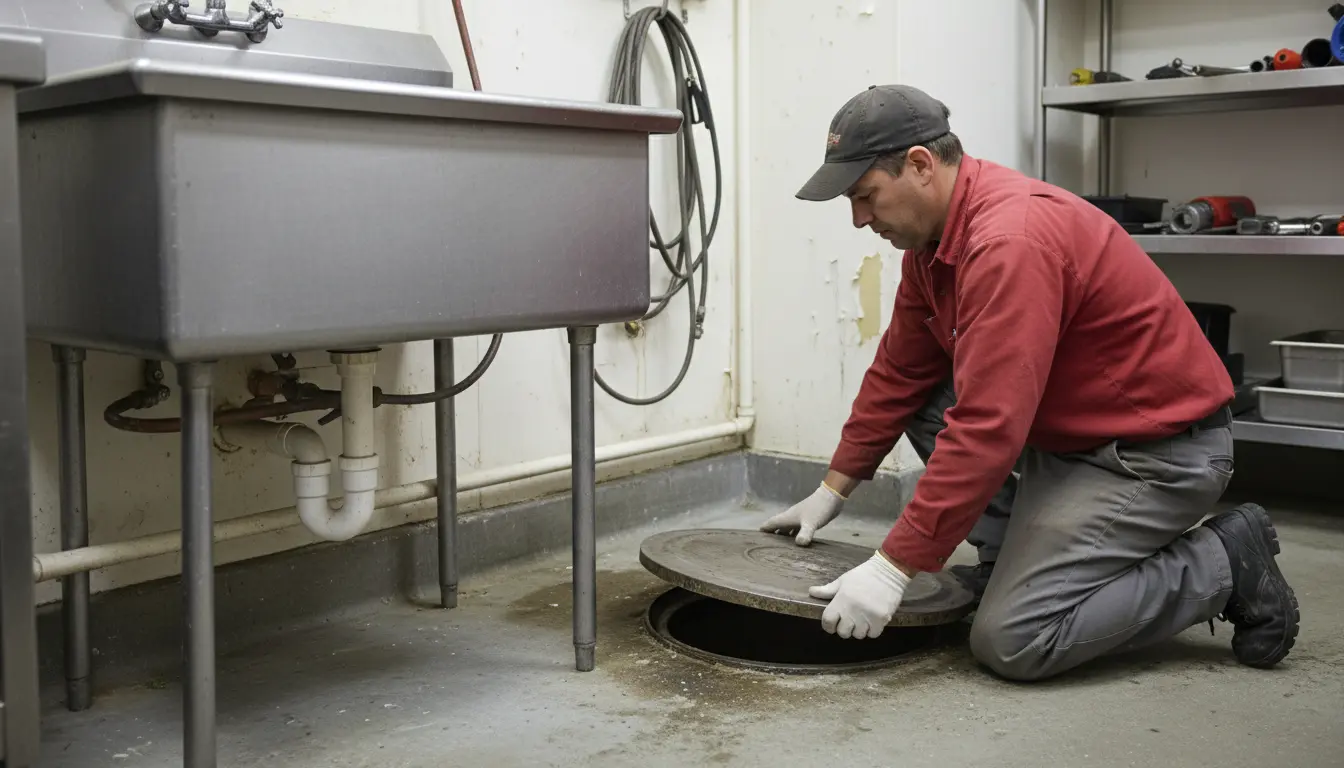
Find the Best Grease Trap Cleaning Companies for Your Business
No obligation • Fast responses • Nationwide coverage

Why you can trust Restaurant Waste Disposal
Restaurant Waste Disposal is a leading U.S. resource for comparing restaurant composting, food-waste recycling, grease trap cleaning, and used cooking oil collection services. Our editorial team researches providers, checks credentials, and organizes unbiased information so operators can make informed decisions. Companies cannot pay to change ratings or placement.
Search providers near you
Top Grease Trap Cleaning Companies in Idaho Falls, Idaho Ranked
For restaurant owners and food service operators in Idaho Falls, maintaining your grease removal system (GRS) is a critical operational and legal responsibility. The city has specific mandates to protect the public sewer system from fats, oils, and grease (FOG), which can cause costly and disruptive blockages. Proper grease interceptor maintenance isn't just about compliance; it's about safeguarding your business from fines, liability, and unexpected repair bills. This guide outlines the local requirements, typical service expectations, and best practices for managing your grease trap or interceptor effectively in Idaho Falls.
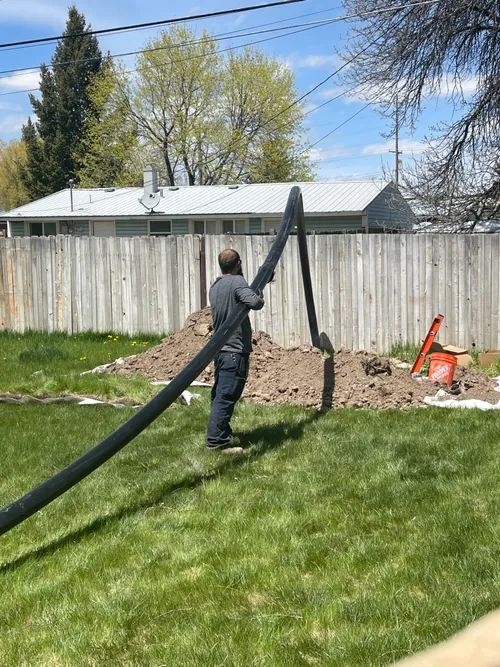
Understanding Local Grease Interceptor Regulations
The City of Idaho Falls classifies restaurants and similar businesses as Food Service Establishments (FSEs) and requires them to have a fully operational and properly maintained grease removal system. This is not a suggestion but a codified requirement designed to prevent FOG from entering the municipal wastewater system. When these materials cool and solidify in pipes, they create severe blockages that can lead to sanitary sewer overflows (SSOs), environmental damage, and significant public works expenses. The city holds FSEs directly liable for any damages or blockages caused by their non-compliant systems.
Compliance is actively enforced. During routine health inspections, officials will request to see your signed service records for grease trap cleaning and interceptor pumping. Failure to produce these maintenance logs or evidence of a malfunctioning system can result in violations, potential fines, and liability for any resulting sewer issues. Proactive management of your grease control equipment is the most straightforward way to avoid these penalties and contribute to the city's infrastructure health.
Types of Grease Removal Systems and Maintenance Needs
Not all grease control systems are the same, and their maintenance schedules differ significantly. Understanding which type you have is the first step to proper care.
- Hydromechanical Grease Interceptors (HGIs): Often called "grease traps," these are typically smaller units located inside the kitchen, near sinks or dishwashers. They use baffles to separate and capture FOG. Due to their smaller capacity, HGIs require more frequent cleaning-often monthly or even weekly, depending on volume. Proper maintenance includes removing all captured grease and solids 1.
- Gravity Grease Interceptors (GGIs): These are large, in-ground tanks usually located outside the building. They allow wastewater to cool, letting FOG solidify and rise to the top and solids settle to the bottom. While they have a larger capacity, they must be pumped out completely on a regular schedule. The city often mandates quarterly servicing, or when the unit is 25% full of FOG and solids 2.
A common mistake is only skimming the top layer of grease from a large interceptor. Idaho Falls regulations require that grease interceptors be pumped empty during service to remove all contents, including the accumulated solids at the bottom, which is essential for proper function.
Creating a Compliant Maintenance Schedule and Record-Keeping
How often should you service your system? While the City of Idaho Falls provides guidelines, the exact frequency for your establishment depends on your specific operations, the size of your interceptor, and your grease output. High-volume kitchens will naturally require more frequent service than low-output cafes. The city's baseline often involves quarterly pumping for larger interceptors and much more frequent cleaning for under-sink traps.
The most crucial aspect of compliance is documentation. After every service, your provider should supply a detailed report. You must keep these signed service records on file. Your log should include:
- Date of service
- Company name and technician signature
- Type of service performed (e.g., "full pump-out," "interior cleaning")
- Observations about the system's condition
- Volume of waste removed
These records are your primary proof of compliance during inspections. We recommend creating a dedicated binder or digital folder for all grease interceptor maintenance documents, including invoices and any repair reports.
Find the perfect grease trap cleaning companies for your needs
Get personalized recommendations and expert advice
Cost Factors for Grease Trap Services in Idaho Falls
Investing in regular professional cleaning prevents far more expensive problems. Service costs are not flat fees and can vary based on several key factors:
- System Size and Type: Pumping a 1,000-gallon in-ground interceptor costs more than cleaning a 50-gallon under-sink unit.
- Accessibility: Is the interceptor easily accessible in a parking lot, or is it located in a confined area that requires special equipment?
- Service Frequency: Regularly scheduled maintenance often costs less per visit than emergency service for a clogged system.
- Condition: A severely neglected interceptor with hardened grease may require hydro-jetting or more labor-intensive cleaning, increasing the price.
- Waste Disposal: Fees include the legal transportation and disposal of the collected FOG at a licensed facility.
While prices can range, restaurant owners should budget for recurring service fees. Regular pumping can range from a few hundred to over a thousand dollars per service, with additional costs for any necessary repairs or system upgrades discovered during maintenance. Getting quotes from several licensed providers is the best way to understand the market rate for your specific needs.
Choosing a Qualified Service Provider
Not all waste haulers are specialists in grease interceptor maintenance. When selecting a vendor in the Idaho Falls area, ensure they:
- Are fully licensed and insured to operate in Idaho.
- Provide detailed, signed service reports that meet city documentation requirements.
- Perform a complete pump-out of interceptors, not just a skim.
- Can explain local codes and help you determine an optimal service schedule.
- Offer emergency services for unexpected issues.
Establishing a relationship with a reliable provider turns grease compliance from a headache into a routine part of your business operations. They can act as a partner, alerting you to potential issues before they lead to backups or violations.
Consequences of Non-Compliance
Ignoring grease interceptor maintenance is a high-risk strategy. The consequences extend beyond a simple warning:
- Fines and Penalties: The city can levy fines for non-compliance with its FSE regulations.
- Liability for Damages: If your establishment's FOG causes a sewer blockage or overflow, you can be held financially responsible for all cleanup and repair costs incurred by the city.
- Operational Disruption: A severely clogged interceptor can cause slow drains or backups in your own kitchen, forcing a temporary closure for emergency service.
- Reputational Harm: Health inspection violations related to grease management can become public record.
The proactive path of scheduled maintenance is invariably less costly and stressful than reacting to a problem after it has occurred.
Frequently asked questions
Sources
Footnotes
-
HYDROMECHANICAL GREASE INTERCEPTOR (HGI ... - https://www.spokanecounty.gov/DocumentCenter/View/51138/Hydromechanical-Grease-Interceptor-HGI-Maintenance---English?bidId= ↩
-
Restaurant / Food Service Establishments (FSE) | Idaho Falls, ID - https://www.idahofallsidaho.gov/397/Restaurant-Food-Service-Establishments-F ↩