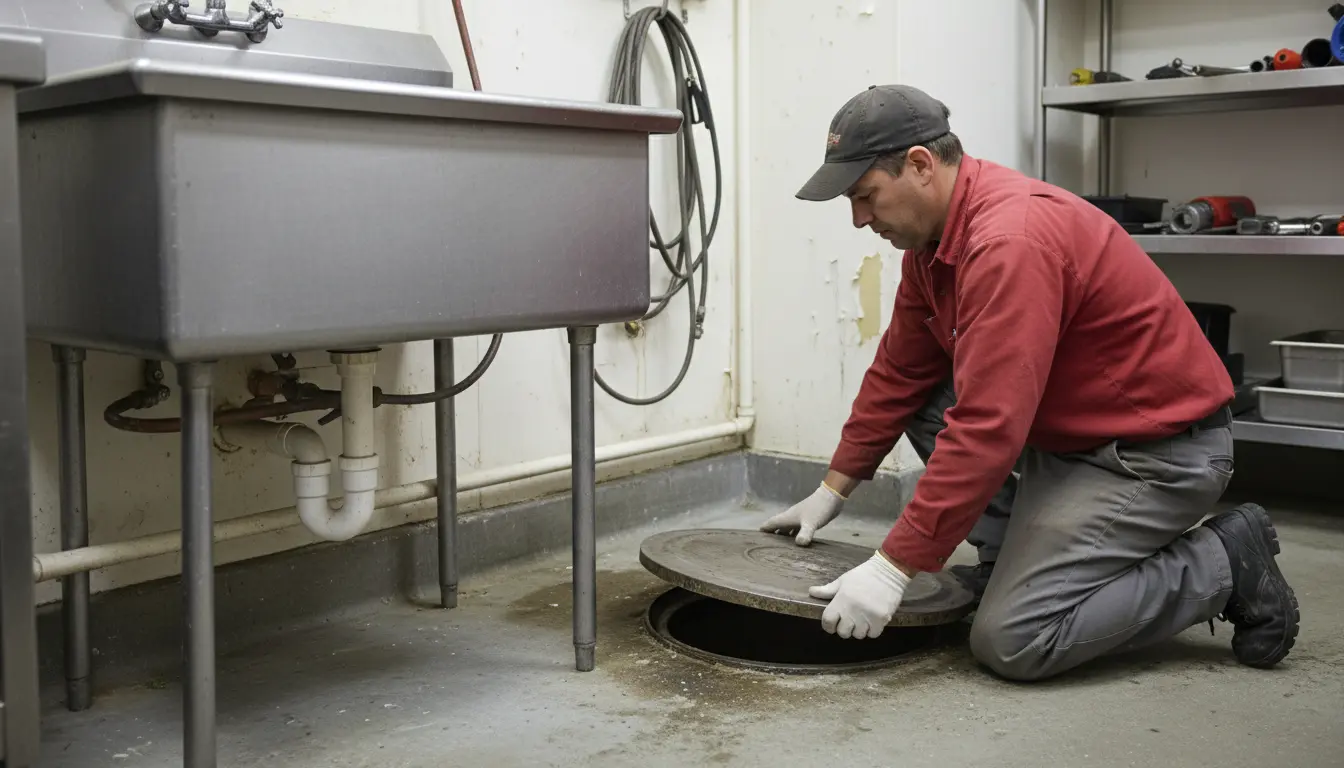
Find the Best Grease Trap Cleaning Companies for Your Business
No obligation • Fast responses • Nationwide coverage

Why you can trust Restaurant Waste Disposal
Restaurant Waste Disposal is a leading U.S. resource for comparing restaurant composting, food-waste recycling, grease trap cleaning, and used cooking oil collection services. Our editorial team researches providers, checks credentials, and organizes unbiased information so operators can make informed decisions. Companies cannot pay to change ratings or placement.
Search providers near you
Best Grease Trap Cleaning Companies in Idaho Ranked
For restaurant owners and food service operators in Idaho, managing fats, oils, and grease (FOG) is a critical operational and regulatory responsibility. Proper grease trap and interceptor maintenance is not just about preventing clogs in your own plumbing; it's a legal requirement designed to protect municipal sewer systems from costly blockages and environmental damage. Idaho's regulations are primarily enforced at the city level, meaning compliance depends on understanding and following the specific rules set by your local wastewater authority. This guide provides a clear, practical overview of grease trap cleaning requirements, schedules, costs, and best practices to help your Idaho business stay compliant and avoid fines.
ABC Pumping Service
281 N Baltic Pl, Meridian, ID 83642
ABC Pumping Service is a grease trap cleaning and septic pumping company serving Boise, ID, and surrounding areas. With over 30 years of experience, they provide residential and commercial pumping services, including grease trap maintenance for restaurants and car wash sump cleaning. They also specialize in repairing drain fields, installing and maintaining sump pumps, and managing advanced wastewater treatment systems such as ETPS units. ABC Pumping offers 24/7 emergency services to address urgent septic and pumping issues promptly.
Zoom Drain
601 E 44th St #4, Garden City, ID 83714
Zoom Drain is a drain and sewer service provider based in Boise, ID. They offer residential and commercial drain inspection, cleaning, repairs, and preventative maintenance. Their services include specialized grease trap maintenance and bio dispensers for the food and hospitality sector. Zoom Drain serves Boise and surrounding areas such as Caldwell, Eagle, and Garden City. With over 10 years of experience, they use advanced tools and tailored maintenance plans to address various plumbing needs. The company provides upfront estimates and honest communication throughout the service process.
Roto-Rooter Plumbing & Water Cleanup
2399 S Orchard St Ste 101, Boise, ID 83705
Roto-Rooter Plumbing & Water Cleanup provides comprehensive plumbing services for homes and businesses in Boise, ID. They offer a wide range of solutions including drain cleaning, sewer line repair and replacement, water heater services, grease trap maintenance, and floodwater cleanup. Their commercial plumbing capabilities include high-pressure water jetting (hydro-jetting) and grease trap repairs. Roto-Rooter serves Boise and surrounding communities with 24/7 emergency plumbing services to address urgent issues such as leaks, clogs, and sewer backups.
Master Plumbing
1015 Caldwell Blvd Suite 4, Nampa, ID 83651
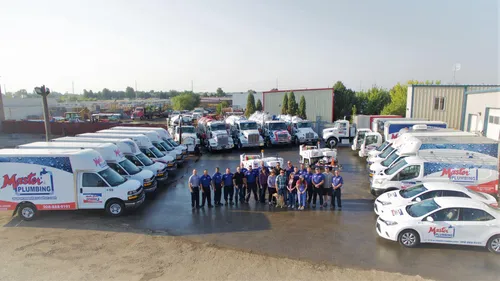
Master Plumbing is a plumbing service provider based in Nampa, ID, offering a wide range of services including grease trap cleaning, septic system installation and maintenance, pipe cleaning, and drain clog removal. The company is certified in BioMicrobics FAST technology and specializes in advanced on-site wastewater treatment systems, including Extended Treatment Package Systems (ETPS) for challenging soil conditions. With over 140 years of combined experience, Master Plumbing serves homeowners across Southern Idaho and provides 24/7 emergency plumbing services.
AAA Sewer Service
Idaho Falls, ID
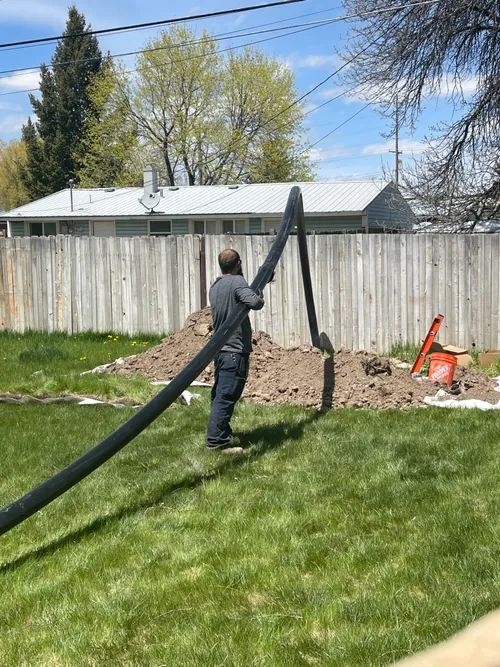
AAA Sewer Service is a family-owned company serving Idaho Falls, ID, with over 65 years of experience in sewer, drain, and septic services. They provide comprehensive solutions including grease trap cleaning, septic tank maintenance, sewer line repairs, and hydro-jetting. Their team includes NAWT-certified septic tank inspectors who use advanced diagnostics like camera inspections to identify and address issues efficiently. AAA Sewer Service operates year-round and offers 24/7 emergency services, ensuring support through all seasons and urgent situations.
Understanding Idaho's Grease Trap Regulations
In Idaho, there is no single statewide grease trap cleaning law. Instead, regulation is delegated to individual municipalities. Cities like Boise, Idaho Falls, Pocatello, and Garden City have their own ordinances under the authority of their Public Works or Wastewater Departments. While details vary, most local codes share common foundational requirements based on best practices for FOG management.
Key Regulatory Components:
- Permits: Most food service establishments are required to obtain a Grease Discharge Permit (GDP) or similar authorization. Permit fees are often based on your water usage and the potential FOG load of your kitchen 1.
- Cleaning Standard: A nearly universal rule across Idaho jurisdictions is that grease interceptors must be cleaned when the combined FOG and solids accumulation reaches 25% of the trap's liquid capacity 2. Some codes specify measurements, such as cleaning when the floatable grease layer exceeds 6 inches or settled solids exceed 8 inches 3 4.
- Record Keeping: You are required to maintain detailed service logs. Each cleaning must be documented on a form typically provided by your city, signed by the service provider, and kept on-site for inspection. Many cities, such as Idaho Falls, also require these logs to be submitted quarterly 5.
- Chemical Additives: The use of emulsifiers, enzymes, or other chemical agents to treat grease is generally prohibited unless the specific product has been reviewed and approved in writing by the local authority.
Failure to comply can result in significant fines, enforcement actions, and even suspension of sewer service. Proactive management is always more cost-effective than reacting to a violation.
How Often to Clean Your Grease Trap in Idaho
The frequency of service is not arbitrary; it's determined by your specific operation and the type of trap you have. The "clean at 25% full" rule is the legal trigger, but establishing a preventive schedule is essential for compliance.
Factors Influencing Cleaning Frequency:
-
Trap Type and Size:
-
Grease Interceptors: These are large, often underground tanks located outside the building. With capacities in the hundreds or thousands of gallons, they can typically go 1 to 3 months between cleanings, but high-volume establishments may need monthly service 8.
-
Kitchen Volume and Menu: A high-turnover fast-food restaurant or a steakhouse will generate far more FOG than a small café. Establishments in high-tourism areas or with seasonal peaks must adjust their service schedule accordingly.
-
Pre-Treatment Practices: How your kitchen staff handles grease waste dramatically impacts trap filling speed. Best practices like scraping plates into trash bins, using drain screens, and collecting fryer oil separately can extend time between professional cleanings.
The most reliable method is to have your trap inspected by a professional service provider. They can assess the accumulation rate and recommend a compliant maintenance schedule tailored to your business, helping you avoid the risk and higher cost of emergency service.
The Cost of Grease Trap Cleaning in Idaho
Investing in regular grease trap maintenance is a fundamental cost of doing business in the food service industry. While prices vary by provider, location, and the specifics of your trap, understanding the general cost structure can help with budgeting.
Typical Cost Ranges:
- Small Undersink Traps: Cleaning a smaller, accessible grease trap can range from approximately $115 to $475 per service 9.
- Large Outdoor Interceptors: Servicing a large, buried interceptor is more labor- and equipment-intensive. Costs for routine pumping and cleaning typically fall between $325 and $1,040 or more10 11.
What Influences the Price?
- Trap Size and Accessibility: Larger tanks and hard-to-reach locations cost more.
- Service Frequency: Regularly scheduled maintenance is almost always cheaper per visit than one-off or emergency calls. Providers often offer contract discounts for predictable business.
- Disposal Requirements: Proper disposal of FOG waste at a licensed facility is a key cost component for the service company.
- Additional Services: Some visits may include jetting of connecting lines, inspection, or minor repairs, which will add to the cost.
Find the perfect grease trap cleaning companies for your needs
Get personalized recommendations and expert advice
The True Cost of Non-Compliance: It's crucial to view maintenance costs in context. Skipping or delaying service to save money often leads to much higher expenses, including:
- City Fines: Municipalities can levy substantial penalties for violations.
- Emergency Service Fees: A clogged or overflowing trap requires immediate attention, which commands a premium rate.
- Plumbing Repairs: Severe blockages can back up into your kitchen or damage your internal plumbing.
- Business Disruption: A health inspector or wastewater official can shut down operations until the issue is resolved.
Scheduled, preventive cleaning is the most economical and responsible approach over the long term.
Steps for Compliance and Best Practices
Staying compliant with Idaho's grease trap regulations involves a systematic approach. Here is a practical checklist for restaurant managers and owners:
- Identify Your Local Authority: Contact your city's Public Works or Wastewater Department. This is your first and most important step to get the correct permit applications, reporting forms, and ordinance details 12.
- Obtain the Required Permit: Apply for and secure your Grease Discharge Permit. Display it as required and be aware of renewal dates.
- Establish a Service Contract: Partner with a licensed, insured, and reputable grease trap cleaning service. Ensure they understand local reporting requirements and will provide the necessary documentation.
- Maintain Impeccable Records: Keep a dedicated binder on-site for all grease-related paperwork. This should include your permit, every service ticket/receipt (signed by the technician), and copies of quarterly reports submitted to the city.
- Train Your Staff: Educate kitchen staff on proper FOG disposal. Implement a "no grease down the drain" policy, emphasizing scraping, using sink baskets, and storing waste oil properly.
- Schedule Regular Inspections: Even with a service contract, periodically check your interceptor's inlet and outlet baffles to ensure they are intact and functioning.
By following these steps, you transform grease trap maintenance from a reactive headache into a streamlined part of your operational routine, protecting your business from risk.
Frequently asked questions
Sources
Footnotes
-
13.18.1210: PURPOSE AND APPLICABILITY: - https://codelibrary.amlegal.com/codes/jeromeid/latest/jerome_id/0-0-0-3241 ↩
-
Fats, Oil, and Grease - Garden City, Idaho - https://gardencityidaho.org/vertical/sites/%7BA16794C5-94AE-4C54-B8E9-ADC537012C3F%7D/uploads/FOG_BMP_Garden_City_version_2019.pdf ↩
-
13.18.1220: GREASE TRAPS AND INTERCEPTORS: - https://codelibrary.amlegal.com/codes/jeromeid/latest/jerome_id/0-0-0-3253 ↩
-
How Often to Clean a Grease Trap - Wind River Environmental - https://www.wrenvironmental.com/blog/2019/february/how-often-to-clean-a-grease-trap/ ↩
-
13.18.1240: GREASE HAULER REGULATION PROGRAM: - https://codelibrary.amlegal.com/codes/jeromeid/latest/jerome_id/0-0-0-3343 ↩
-
Grease Trap Cleaning & Oil Collection Idaho Falls, ID - https://ecoofidaho.com/grease-trap-cleaning-oil-collection-idaho-falls ↩
-
The Ultimate Guide to Restaurant Grease Trap Cleaning - https://mokherplumbing.com/ultimate-guide-restaurant-grease-trap-cleaning/ ↩
-
How Often Should Restaurants Clean Their Grease Traps? A ... - https://scjetting.com/how-often-should-restaurants-clean-their-grease-traps-a-complete-maintenance-guide/ ↩
-
Grease Traps 101: What Every Restaurant Owner Should Know - https://www.billsseweranddrain.com/grease-traps-101 ↩
-
Grease Trap Service Boulder, Longmont CO | Sullivan Septic & Excavating - https://www.sullivanseptic.net/grease-trap-service ↩
-
Grease Trap Pumping Cost vs. Grease Trap Maintenance Cost - https://www.stateindustrial.com/video/cost-comparison-pumping-v-chemicals-to-maintain-a-grease-trap/ ↩
-
FAQs • How often should I clean my grease trap ... - Idaho Falls - https://www.idahofallsidaho.gov/FAQ.aspx?QID=127 ↩