Find the Best Grease Trap Cleaning Companies for Your Business
No obligation • Fast responses • Nationwide coverage

Why you can trust Restaurant Waste Disposal
Restaurant Waste Disposal is a leading U.S. resource for comparing restaurant composting, food-waste recycling, grease trap cleaning, and used cooking oil collection services. Our editorial team researches providers, checks credentials, and organizes unbiased information so operators can make informed decisions. Companies cannot pay to change ratings or placement.
Search providers near you
Top Grease Trap Cleaning Companies in Caldwell, Idaho Ranked
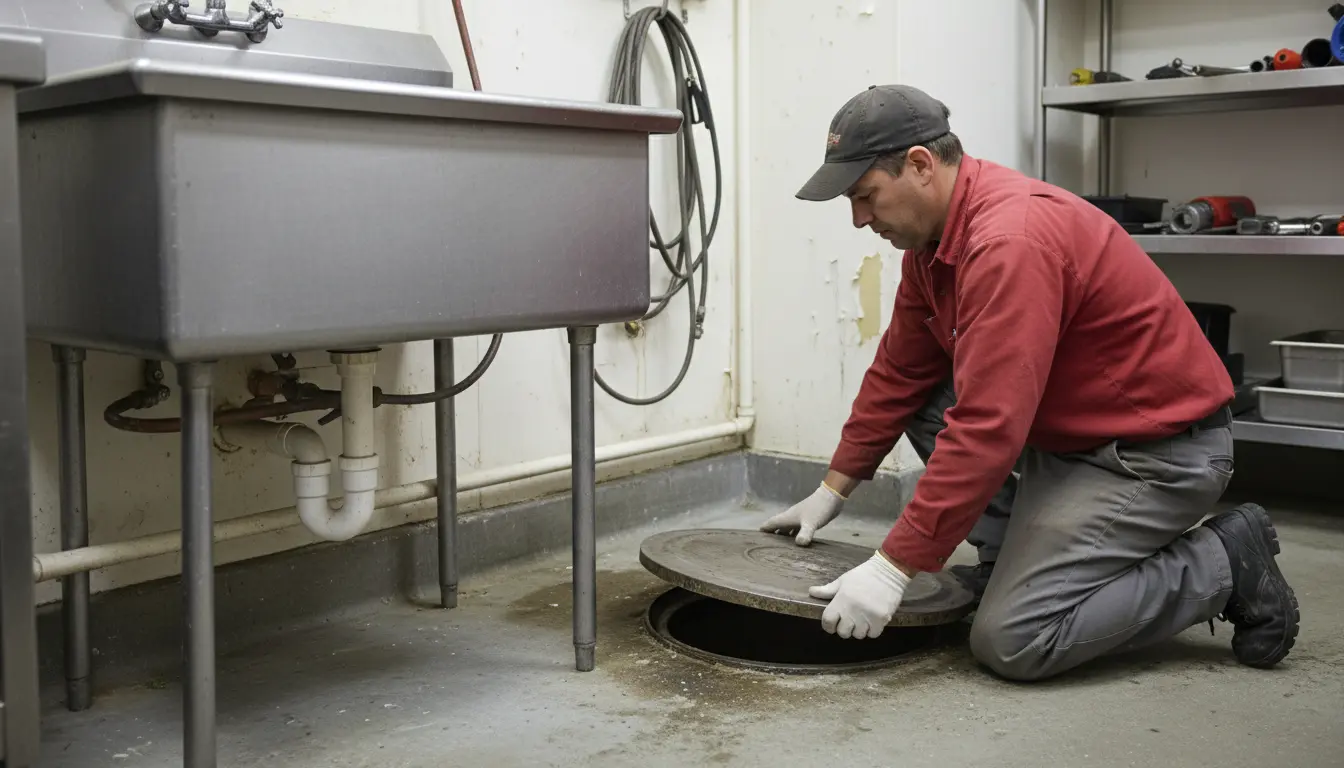
For any food service facility in Caldwell, from bustling downtown restaurants to cozy cafes, managing grease interceptors is a critical part of daily operations and regulatory compliance. The City of Caldwell enforces specific ordinances to protect the local sewer system from fats, oils, and grease (FOG), which can cause costly blockages and environmental damage. Proper maintenance of these grease traps is not just a recommendation-it's a legal requirement with clear guidelines on cleaning frequency, documentation, and approved disposal methods. This guide outlines the essential information Caldwell restaurant owners and managers need to understand their responsibilities, maintain compliance, and ensure their kitchen runs smoothly without the risk of violations or plumbing emergencies.
Understanding the local rules is the first step. The Caldwell Public Works or Health Department, or their designee, is responsible for inspecting grease traps and interceptors to ensure they are properly maintained. Facilities are fully responsible for the installation, upkeep, and all associated costs of their grease management systems. Compliance involves more than just an occasional cleaning; it requires a systematic approach including scheduled pump-outs, detailed record-keeping, and the use of permitted waste haulers for disposal 1.
ABC Pumping Service
281 N Baltic Pl, Meridian, ID 83642
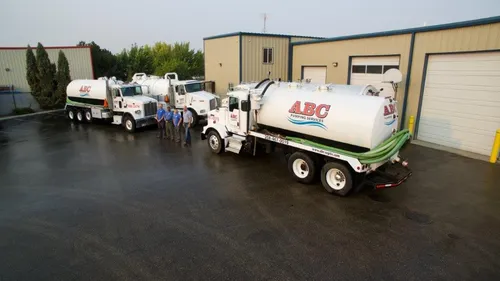
ABC Pumping Service is a grease trap cleaning and septic pumping company serving Boise, ID, and surrounding areas. With over 30 years of experience, they provide residential and commercial pumping services, including grease trap maintenance for restaurants and car wash sump cleaning. They also specialize in repairing drain fields, installing and maintaining sump pumps, and managing advanced wastewater treatment systems such as ETPS units. ABC Pumping offers 24/7 emergency services to address urgent septic and pumping issues promptly.
Zoom Drain
601 E 44th St #4, Garden City, ID 83714
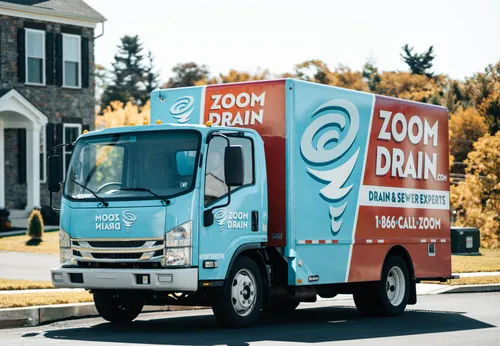
Zoom Drain is a drain and sewer service provider based in Boise, ID. They offer residential and commercial drain inspection, cleaning, repairs, and preventative maintenance. Their services include specialized grease trap maintenance and bio dispensers for the food and hospitality sector. Zoom Drain serves Boise and surrounding areas such as Caldwell, Eagle, and Garden City. With over 10 years of experience, they use advanced tools and tailored maintenance plans to address various plumbing needs. The company provides upfront estimates and honest communication throughout the service process.
Roto-Rooter Plumbing & Water Cleanup
2399 S Orchard St Ste 101, Boise, ID 83705
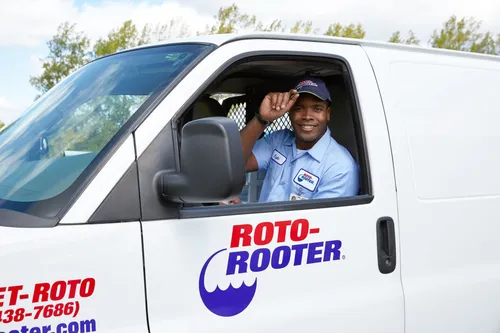
Roto-Rooter Plumbing & Water Cleanup provides comprehensive plumbing services for homes and businesses in Boise, ID. They offer a wide range of solutions including drain cleaning, sewer line repair and replacement, water heater services, grease trap maintenance, and floodwater cleanup. Their commercial plumbing capabilities include high-pressure water jetting (hydro-jetting) and grease trap repairs. Roto-Rooter serves Boise and surrounding communities with 24/7 emergency plumbing services to address urgent issues such as leaks, clogs, and sewer backups.
Master Plumbing
1015 Caldwell Blvd Suite 4, Nampa, ID 83651
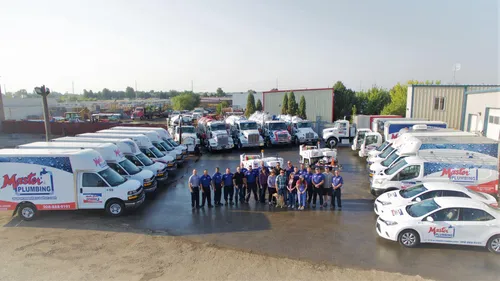
Master Plumbing is a plumbing service provider based in Nampa, ID, offering a wide range of services including grease trap cleaning, septic system installation and maintenance, pipe cleaning, and drain clog removal. The company is certified in BioMicrobics FAST technology and specializes in advanced on-site wastewater treatment systems, including Extended Treatment Package Systems (ETPS) for challenging soil conditions. With over 140 years of combined experience, Master Plumbing serves homeowners across Southern Idaho and provides 24/7 emergency plumbing services.
ABC Pumping Service
3716 Airport Rd, Nampa, ID 83687
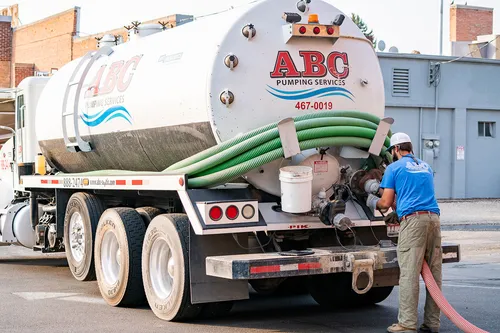
ABC Pumping Service provides grease trap cleaning and septic system maintenance in Boise, ID, and surrounding areas. They serve both residential and commercial clients, including restaurants, car washes, and hotels. Their services include septic pumping, grease trap cleaning, drain and pipe clog removal, and sump pump installation and maintenance. With over 30 years of experience in the Nampa area, ABC Pumping Service also offers 24/7 commercial septic services to address urgent needs promptly.
Understanding Caldwell's Grease Trap Regulations
The foundation of compliance lies in the local ordinance, which aligns with broader efforts to protect municipal wastewater infrastructure. The primary goal is to prevent FOG from entering the public sewer lines, where it can solidify and cause major blockages, leading to sanitary sewer overflows. In Caldwell, food service facilities (FSFs) must adhere to specific operational standards for their grease interceptors.
Key regulatory requirements include:
- Installation and Maintenance Responsibility: The facility owns the responsibility for installing an adequately sized grease trap or interceptor and maintaining it in good working order at all times.
- Cleaning Frequency: Traps must be cleaned when the combined volume of floating grease and settled solids reaches 20-25% of the trap's total capacity. As a baseline rule, cleaning is required at a minimum frequency of every three months (quarterly), though high-volume kitchens may need monthly service.
- Documentation and Records: Maintaining a detailed log is mandatory. This log should include the date of each cleaning, the volume of waste removed, the name of the servicing company or employee, and the disposal location. These records must be available for review by the city inspector upon request.
- Proper Disposal: Waste grease and solids must be disposed of by a licensed, permitted hauler. Facilities cannot simply pour the contents down a drain or into a dumpster. Using an approved service ensures environmentally sound disposal and provides the necessary documentation for your records.
The Cost of Grease Interceptor Maintenance in Caldwell
Budgeting for regular grease trap pumping is a necessary operational cost. Prices are not fixed and can vary based on several factors specific to your establishment. Understanding these variables can help you plan and potentially reduce long-term expenses.
Typical costs for a standard preventative cleaning service in the Caldwell area can range from approximately $175 to $475 or more per visit 2. For context, average costs in nearby Meridian, Idaho, have been reported between $320 and $460, though this serves only as a regional reference 3.
Several key factors influence the final price:
- Trap Size and Type: Larger, underground grease interceptors require more labor, equipment, and time to pump than smaller under-sink grease traps.
- Accessibility: Is the trap easily reached in a parking lot or basement, or is it located in a confined space that requires special equipment?
- Condition and Accumulation: A well-maintained trap cleaned on schedule is far less expensive to service than one that has been neglected. Severe buildup, hardening of grease, or the presence of improper waste can turn a routine cleaning into a more complex-and costly-remediation job 4 5.
- Service Provider: Rates differ between licensed haulers. Some may offer contract pricing for scheduled maintenance, which can provide cost predictability.
Investing in regular maintenance is ultimately cost-effective. It avoids the higher fees for emergency clean-outs, prevents potential fines for non-compliance, and protects your business from the severe disruption and reputational damage of a sewer backup.
Find the perfect grease trap cleaning companies for your needs
Get personalized recommendations and expert advice
Developing a Proactive Maintenance Plan
A reactive approach to grease trap service is a recipe for trouble. Implementing a proactive plan ensures compliance, controls costs, and keeps your kitchen operational. Here's a step-by-step approach:
- Confirm Local Requirements: Your first action should be to contact the Caldwell Public Works or Health Department to confirm the specific details of the local ordinance and any recent updates 6. This ensures your plan is built on the most current rules.
- Assess Your Needs: Evaluate your kitchen's volume. A high-output fryer operation will necessitate more frequent cleaning (e.g., monthly) than a lower-volume sandwich shop that may adhere to the quarterly minimum.
- Schedule Regular Service: Based on your assessment, establish a contract or standing appointment with a licensed grease hauler serving Canyon County. Consistent scheduling prevents accidental neglect.
- Implement Internal SOPs: Develop written Sanitation Standard Operating Procedures (SOPs) for your staff regarding grease handling. This includes proper scraping of plates, using sink strainers, and ensuring no grease is poured down drains 7. These daily practices significantly extend the time between necessary pump-outs.
- Maintain Impeccable Records: Designate a logbook or digital file for all grease interceptor service. File every receipt and service report. This organized documentation is your best defense during an inspection and helps you track service history and costs.
Consequences of Non-Compliance
The City of Caldwell takes grease management seriously to protect community infrastructure. Failure to comply with the ordinance can lead to significant consequences:
- Inspections and Violations: During a routine inspection by the city designee, if a trap is found to be over the 25% capacity limit or without proper documentation, the facility will be issued a violation notice 8 9.
- Corrective Action Orders: The notice will typically require immediate corrective action, such as scheduling an emergency cleaning within a short timeframe. The cost for this urgent service is invariably higher than planned maintenance.
- Fines and Penalties: Repeated violations or refusal to comply can result in monetary fines. In severe cases of neglect leading to sewer blockages, a facility could be held liable for cleanup costs and damage to public property.
- Operational Disruption: The most immediate impact is often on your business. A severely clogged interceptor or sewer line can lead to slow drains, backups, and even a forced temporary closure to address the plumbing emergency-a devastating blow to revenue and customer trust.
Choosing a Service Provider in Caldwell
Selecting the right partner for grease interceptor pumping is crucial. Look for a service provider that offers:
- Proper Licensing and Insurance: Verify they are permitted to collect and transport grease waste in Idaho and carry adequate insurance.
- Documentation: They should provide detailed service reports after each cleaning, including gallons pumped, the hauler's permit number, and the final disposal facility. This paperwork is essential for your records.
- Reliability and Scheduling: Choose a company known for punctuality and clear communication. The ability to set up a recurring service schedule is a major benefit.
- Transparent Pricing: A reputable company will offer clear, upfront pricing and explain what is included in the service. Be wary of quotes that seem unusually low, as they may not include proper disposal or documentation.
Frequently asked questions
Sources
Footnotes
-
APPENDIX A Grease Trap and Interceptor Requirements Definitions - https://fcwsd.org/documents/728/Appendix_A_Grease_Trap_Requirements.pdf ↩
-
The Cost To Clean A Grease Trap For Restaurants - https://thegreasecompany.com/blog/greasetrapcleaningcost/ ↩
-
Grease Trap Cleaning in Meridian, ID - Costs 12 / 2025 - Homeyou - https://www.homeyou.com/id/grease-trap-cleaning-meridian-costs ↩
-
How Much Does a Proper Grease Trap Cleaning Cost? - https://hulseyenvironmental.com/how-much-does-a-proper-grease-trap-cleaning-partner-cost/ ↩
-
How Much Does It Cost To Clean A Grease Trap? - https://www.greasecollection.com/blog/how-much-does-it-cost-to-clean-a-grease-trap/ ↩
-
Grease Trap Cleaning in Caldwell ID | Grease Interceptor Pumping - https://greasetrapcleaningeagle.com/caldwell-id.html ↩
-
Sanitation Standard Operating Procedures - https://www.fsis.usda.gov/sites/default/files/media_file/2021-03/Sanitation-SOP-Guide.pdf ↩
-
13.18.1220: GREASE TRAPS AND INTERCEPTORS: - https://codelibrary.amlegal.com/codes/jeromeid/latest/jerome_id/0-0-0-3253 ↩
-
How to Clean a Grease Trap (and How Often You Should) - https://greaseconnections.com/how-to-clean-a-grease-trap-and-how-often-you-should/ ↩