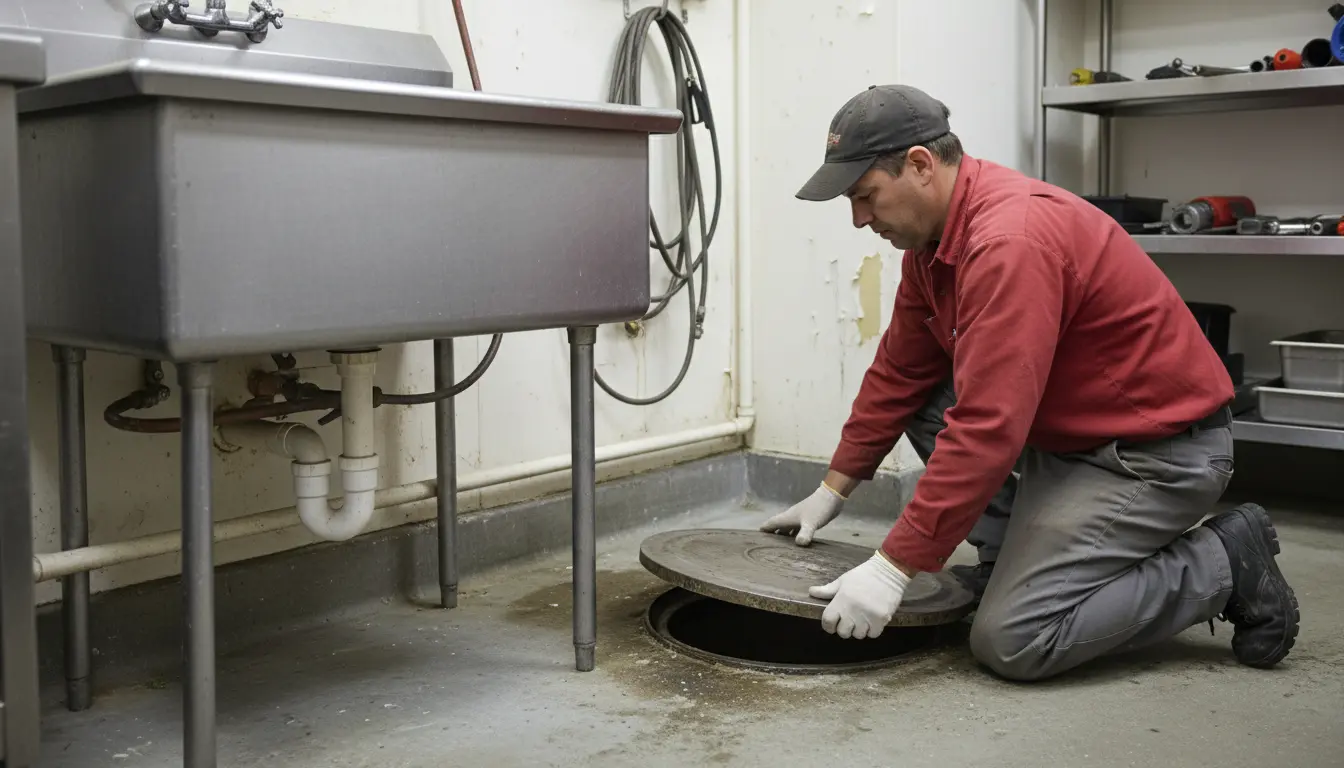
Find the Best Grease Trap Cleaning Companies for Your Business
No obligation • Fast responses • Nationwide coverage

Why you can trust Restaurant Waste Disposal
Restaurant Waste Disposal is a leading U.S. resource for comparing restaurant composting, food-waste recycling, grease trap cleaning, and used cooking oil collection services. Our editorial team researches providers, checks credentials, and organizes unbiased information so operators can make informed decisions. Companies cannot pay to change ratings or placement.
Search providers near you
Top Grease Trap Cleaning Companies in Longmont, Colorado Ranked
For any food service establishment in Longmont, effective grease trap and interceptor maintenance is not just a best practice-it's a critical regulatory requirement. The City of Longmont, along with state and local sanitation districts, enforces specific rules to prevent Fats, Oils, and Grease (FOG) from entering the public sewer system, where they can cause severe blockages, environmental damage, and costly backups. Proactive, documented maintenance of your grease management system is the most reliable way to ensure compliance, avoid significant fines, and protect your business's operations and reputation. This guide outlines the essential requirements, recommended practices, and cost considerations for keeping your establishment in good standing.
Colorado Pumping
Denver, CO
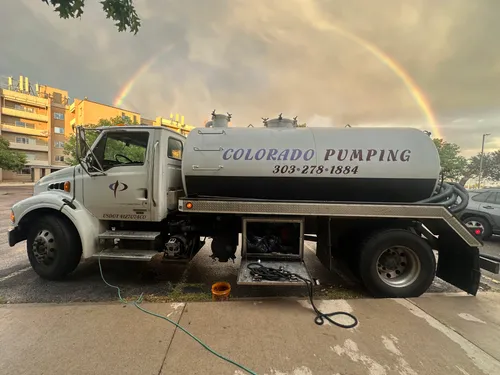
Colorado Pumping is a wastewater management company based in Denver, CO, specializing in grease trap and septic tank pumping services. They serve a range of clients including commercial kitchens, restaurants, hotels, and rural homeowners throughout Denver and surrounding areas such as Arvada, Aurora, Centennial, Golden, Lakewood, Littleton, Thornton, Wheat Ridge, and Westminster. Their grease trap pumping helps maintain compliance and prevent blockages in busy commercial facilities, while their septic tank pumping supports efficient wastewater treatment for rural properties. Colorado Pumping is known for accommodating emergency requests and providing timely service.
Sewer Experts Denver Sewer Line Repair & Replacement, Drain Scope, Water Lines
6510 E 49th Ave Ste A, Commerce City, CO 80022
Sewer Experts Denver Sewer Line Repair & Replacement, Drain Scope, Water Lines is a locally owned and operated company serving Denver, CO. They provide commercial and residential sewer and water line repair, replacement, and maintenance services, including trenchless sewer repairs using CIPP lining and pipe bursting technologies. With over 20 years of experience, they handle projects ranging from grease trap installation to septic tank services, offering 24/7 emergency sewer repair support. Their certified technicians also perform sewer scope inspections and drain cleaning to diagnose and resolve plumbing issues efficiently.
Mr. Rooter Plumbing of Denver
1600 Federal Blvd Ste B, Denver, CO 80204
Mr. Rooter Plumbing of Denver offers residential and commercial plumbing services in Commerce City, CO, and surrounding areas. Their licensed plumbers provide a range of solutions including drain cleaning, sewer line repair, plumbing repairs, and grease trap pumping. The company uses advanced plumbing technology such as trenchless pipe replacement and video inspections to deliver efficient and minimally disruptive service. Mr. Rooter Plumbing emphasizes clear communication and upfront pricing to ensure customers understand the work being done. They also prioritize safety and cleanliness during every job. Serving a wide area around Denver, the company is backed by the Neighborly Done Right Promise® and has a reputation for skilled and courteous service.
Fuzion Field Services
2435 2nd Ave, Greeley, CO 80631
Fuzion Field Services is based in Fort Collins, CO, offering a wide range of sanitation and environmental services for commercial and residential clients. Their services include grease trap and interceptor cleaning, hydrovac and hydro jetting, dumpster rentals, portable toilet and handwash station rentals, scrap metal recycling, and potable water transportation. The company operates a fleet of hydrovac trucks available 24/7, serving industries such as construction, public utilities, food and beverage, and breweries. Fuzion also provides environmental spill cleanup and wastewater treatment, supporting safe and efficient work environments.
Hood Clean Guys
1621 16th St, Boulder, CO 80302
Hood Clean Guys is a commercial kitchen cleaning company based in Boulder, CO, serving restaurants and foodservice businesses in the Denver area. They specialize in exhaust system and hood cleaning, including exhaust fan, duct system, and kitchen vent hood cleaning. Their services also cover grease trap cleaning, rooftop grease containment, and deep cleaning of kitchen appliances such as grills, fryers, and refrigeration units. Hood Clean Guys use NFPA-approved cleaning methods to help protect businesses from fire hazards and maintain a safe, sanitary kitchen environment. The company is known for its professional approach and consistent results, focusing on thorough cleaning and preventive maintenance to reduce grease buildup and contamination.
Understanding Longmont's FOG Control Requirements
Longmont's regulations are designed to protect the city's wastewater infrastructure. All food service facilities, including restaurants, cafeterias, and bakeries, are required to have properly sized and functioning grease control devices. These are typically categorized as grease traps (smaller, indoor units often under sinks) or grease interceptors (larger, outdoor underground tanks). The specific type and size required depend on your kitchen's volume and layout, and installation must meet local codes 1.
The core of compliance lies in regular inspection and pumping. While specific frequencies can vary, a common standard is to inspect traps and interceptors monthly and to have them pumped clean by a licensed hauler when the combined FOG and solids accumulation reaches 25% of the unit's liquid capacity 2. For many establishments, this translates to a mandatory cleaning schedule of at least every 90 days (quarterly), though high-volume kitchens may require monthly service 3 4. Keeping detailed records of every inspection, cleaning, and maintenance activity is not just recommended-it's often required for audits and is your best defense in case of a compliance inquiry 2 5.
The Role of Certified Haulers
You cannot simply clean a grease interceptor yourself and dispose of the waste down a drain. Longmont and Colorado regulations mandate that grease trap waste must be collected and disposed of by a licensed, certified hauler. These professionals are equipped to properly pump out the full contents of your trap, including fats, oils, grease, and food solids, and transport them to approved processing or disposal facilities. Using a certified provider ensures that the waste is handled legally and environmentally responsibly, and they will provide you with the necessary documentation (often called a "manifest" or service ticket) for your records.
Consequences of Non-Compliance
Failing to maintain your grease management system can lead to serious problems that extend far beyond a warning from the city.
- Sewer Blockages and Backups: The primary purpose of a grease trap is to prevent FOG from leaving your property. When traps are not cleaned, grease escapes into the sewer lines, where it cools, hardens, and sticks to pipe walls. This accumulation can cause complete blockages in your own lateral line, leading to sewage backups into your kitchen or basement-a costly and disruptive emergency.
- Public Sewer Overflows: If FOG from multiple non-compliant businesses enters the public system, it can coalesce into large "fatbergs" that block city mains. This can cause sewer overflows into streets, parks, and local waterways like the St. Vrain Creek, resulting in significant environmental harm and public health risks 6.
- Fines and Penalties: The City of Longmont can levy substantial fines against establishments found to be in violation of FOG regulations. These penalties are designed to incentivize compliance and cover the high cost of cleaning public sewer lines. Repeated violations can lead to increased scrutiny and even more severe enforcement actions.
- Operational Issues: A full or malfunctioning grease trap can cause slow drains, persistent foul odors in and around your establishment, and attract pests. These issues directly impact the working environment for your staff and the dining experience for your customers.
Find the perfect grease trap cleaning companies for your needs
Get personalized recommendations and expert advice
What to Expect: Service Frequency and Costs
Understanding the typical service schedule and associated costs helps in budgeting and planning. While every restaurant is different, here are general guidelines based on industry standards in the Colorado front range.
Standard Service Frequency: For most small to medium-sized restaurants, a quarterly (every 3-4 months) pumping schedule is standard 7. High-volume establishments like large restaurants or institutional cafeterias may require monthly service. The "25% rule" is a key benchmark: if your monthly inspection shows FOG and solids filling more than a quarter of the trap's capacity, it's time to schedule a cleaning 8.
Cost Factors: The price for professional grease trap pumping is not one-size-fits-all. It depends on several variables:
- Size of the Unit: This is the biggest cost driver. A small under-sink grease trap will cost less to service than a large, buried 1500-gallon interceptor.
- Accessibility: Easily accessible traps with clear lids and ample space for the pump truck are simpler and cheaper to service than those located in tight corners, under equipment, or requiring special access.
- Service Frequency: Being on a regular maintenance plan is almost always more cost-effective than calling for emergency service after a clog or overflow occurs.
- Amount of Waste: Heavily impacted traps that are overdue for service may require more labor and time to fully clean.
Pricing Estimates: Based on regional data, you can expect the following cost ranges for routine pumping services 9 10 11:
- Basic/Small Grease Traps: A standard cleaning for a smaller trap often ranges from $175 to $225 per service visit.
- Larger Grease Interceptors: For common commercial sizes like 1000 to 1500-gallon interceptors on a regular program, costs typically range from $225 to $315 or more per cleaning.
- Emergency or After-Hours Service: Responding to a backup or urgent need outside of normal business hours will incur a premium, often adding $100-$200 or more to the standard rate.
Investing in regular maintenance at these predictable rates is invariably less expensive than dealing with the aftermath of a sewer backup, which involves emergency plumbing, cleanup, lost business, and potential regulatory fines.
Building a Compliant Maintenance Routine
A proactive approach is the hallmark of a well-managed kitchen. Here's a simple checklist to stay on track:
- Know Your System: Identify all grease traps and interceptors on your property, note their sizes and locations, and ensure they are correctly installed and functioning.
- Schedule Monthly Inspections: Assign a staff member to visually inspect trap lids and, if safe and possible, check the interior FOG/solids level each month. Document every inspection.
- Contract with a Certified Hauler: Establish a service relationship with a licensed grease hauler. Discuss your operation to determine an appropriate initial service frequency (e.g., quarterly).
- Maintain Impeccable Records: File every service ticket, manifest, and inspection note in a dedicated log. This paper trail is your proof of compliance.
- Train Your Kitchen Staff: Educate your team on proper FOG disposal practices. Ensure all grease, oils, and food scraps are scraped into waste bins, not washed down sinks. This simple step dramatically reduces the load on your grease trap and extends time between pumpings.
By integrating these steps into your standard operating procedures, you transform grease trap maintenance from a reactive chore into a seamless part of your successful business operation in Longmont.
Frequently asked questions
Sources
Footnotes
-
Grease Trap Installation Services in Denver (Call Now) - https://greasetrapdenver.com/grease-trap-installation/ ↩
-
Colorado Regulations for Grease Trap Pumping - https://mcdonaldfarmsinc.com/colorado-regulations-for-grease-trap-pumping/ ↩ ↩2
-
Grease Traps - City of Longmont - https://longmontcolorado.gov/environment/water-quality/grease-traps/ ↩
-
Denver Grease Trap Maintenance: Essential Facilities ... - Shyft - https://www.myshyft.com/blog/grease-trap-cleaning-denver-colorado/ ↩
-
CHAPTER 14.08. - SEWERS | Longmont, CO - Municode Library - https://library.municode.com/co/longmont/codes/code_of_ordinances/253521?nodeId=PTIICOOR_TIT14PUSE_CH14.08SE_IIDE ↩
-
Grease Trap Service Boulder, Longmont CO | Sullivan Septic & Excavating - https://www.sullivanseptic.net/grease-trap-service ↩
-
How Much Does a Proper Grease Trap Cleaning Cost? - https://hulseyenvironmental.com/how-much-does-a-proper-grease-trap-cleaning-partner-cost/ ↩
-
Fats, Oils and Grease (FOG) Policy (PDF).pdf - Niwot Sanitation District - https://niwotsd.colorado.gov/sites/niwotsd/files/documents/Fats%2C%20Oils%20and%20Grease%20%28FOG%29%20Policy%20%28PDF%29.pdf ↩
-
Grease Trap Pumping Frequently Asked Questions - https://www.coloradopumping.com/grease-trap-pumping-faq/ ↩
-
The Cost To Clean A Grease Trap For Restaurants - https://thegreasecompany.com/blog/greasetrapcleaningcost/ ↩
-
Cost of Cleaning Restaurant Grease Trap - Grease Interceptors - https://thegreasecompany.com/blog/greasetrapcleaningcost/ ↩