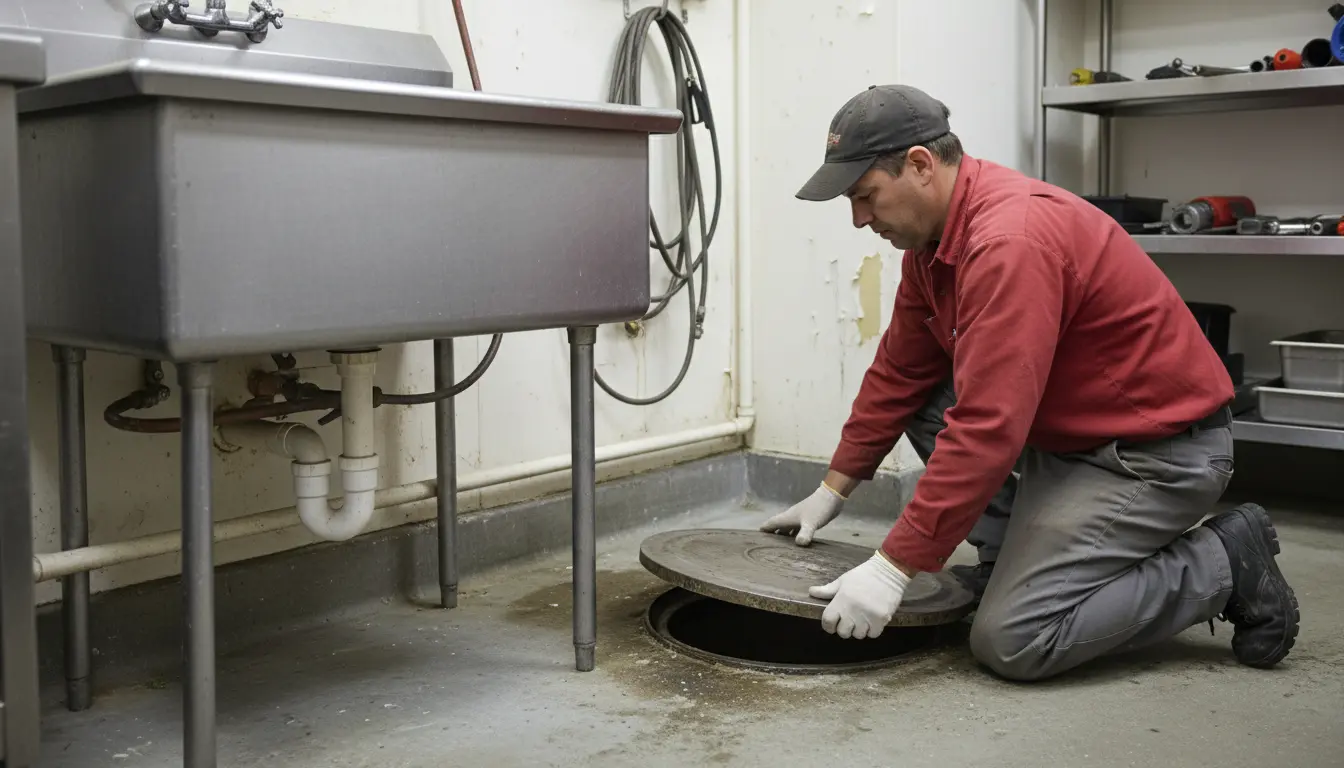
Find the Best Grease Trap Cleaning Companies for Your Business
No obligation • Fast responses • Nationwide coverage

Why you can trust Restaurant Waste Disposal
Restaurant Waste Disposal is a leading U.S. resource for comparing restaurant composting, food-waste recycling, grease trap cleaning, and used cooking oil collection services. Our editorial team researches providers, checks credentials, and organizes unbiased information so operators can make informed decisions. Companies cannot pay to change ratings or placement.
Search providers near you
Top Grease Trap Cleaning Companies in Denver, Colorado Ranked
For any restaurant, food truck, or commercial kitchen in Denver, proper grease trap and interceptor maintenance is not just a best practice-it's a legal requirement enforced by the city's Department of Public Health & Environment (DDPHE). Effective grease management prevents sewer blockages, environmental contamination, and costly fines, ensuring your business runs smoothly and remains in good standing. This guide outlines Denver's specific regulations, practical maintenance steps, and what you can expect when managing this critical aspect of your food service operation.
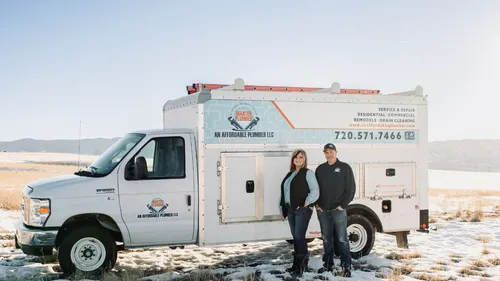
An Affordable Plumber
Denver, CO
An Affordable Plumber is a plumbing company serving Denver, CO, and surrounding areas including Littleton and Roxborough. They provide a wide range of residential and commercial plumbing services such as grease trap installation and cleaning, water heater repair and installation, whole house filtration, sump pump services, sewer line repair, and gas line services. The company uses advanced video inspection technology for sewer lines and offers a five-year transferable warranty on sewer and water main replacements. Established in 2000, An Affordable Plumber has over 24 years of experience and offers same-day appointments and financing options to accommodate urgent and budget-conscious needs.
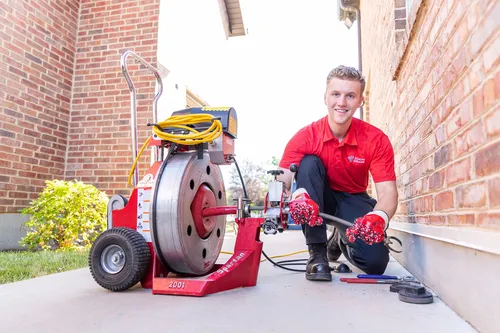
Zoom Drain
7808 Cherry Creek S Dr #115, Denver, CO 80231
Zoom Drain is a drain and sewer cleaning company serving Denver, CO, and surrounding areas. They provide services for residential and commercial properties, including grease trap maintenance, drain cleaning, sewer repair, and sump pump replacement. The company uses advanced technology such as high-pressure truck-mounted jetting and video inspection tools to ensure effective solutions. Backed by a national brand with decades of experience, Zoom Drain offers tailored maintenance plans and specialized services for various industries. Their team is known for clear pricing, warranties, and comprehensive maintenance programs.
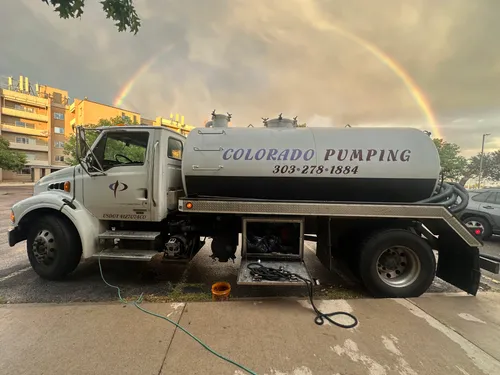
Colorado Pumping
Denver, CO
Colorado Pumping is a wastewater management company based in Denver, CO, specializing in grease trap and septic tank pumping services. They serve a range of clients including commercial kitchens, restaurants, hotels, and rural homeowners throughout Denver and surrounding areas such as Arvada, Aurora, Centennial, Golden, Lakewood, Littleton, Thornton, Wheat Ridge, and Westminster. Their grease trap pumping helps maintain compliance and prevent blockages in busy commercial facilities, while their septic tank pumping supports efficient wastewater treatment for rural properties. Colorado Pumping is known for accommodating emergency requests and providing timely service.
Sewer Experts Denver Sewer Line Repair & Replacement, Drain Scope, Water Lines
6510 E 49th Ave Ste A, Commerce City, CO 80022
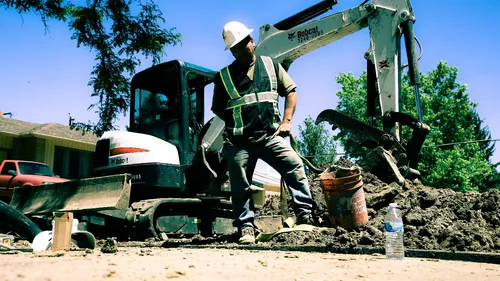
Sewer Experts Denver Sewer Line Repair & Replacement, Drain Scope, Water Lines is a locally owned and operated company serving Denver, CO. They provide commercial and residential sewer and water line repair, replacement, and maintenance services, including trenchless sewer repairs using CIPP lining and pipe bursting technologies. With over 20 years of experience, they handle projects ranging from grease trap installation to septic tank services, offering 24/7 emergency sewer repair support. Their certified technicians also perform sewer scope inspections and drain cleaning to diagnose and resolve plumbing issues efficiently.
Mr. Rooter Plumbing of Denver
1600 Federal Blvd Ste B, Denver, CO 80204
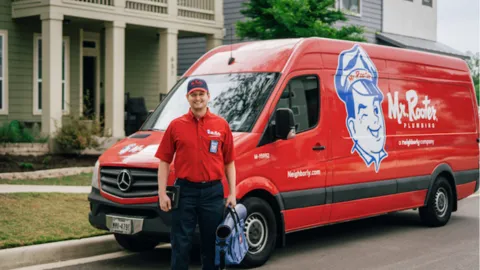
Mr. Rooter Plumbing of Denver offers residential and commercial plumbing services in Commerce City, CO, and surrounding areas. Their licensed plumbers provide a range of solutions including drain cleaning, sewer line repair, plumbing repairs, and grease trap pumping. The company uses advanced plumbing technology such as trenchless pipe replacement and video inspections to deliver efficient and minimally disruptive service. Mr. Rooter Plumbing emphasizes clear communication and upfront pricing to ensure customers understand the work being done. They also prioritize safety and cleanliness during every job. Serving a wide area around Denver, the company is backed by the Neighborly Done Right Promise® and has a reputation for skilled and courteous service.
Understanding Denver's FOG Regulations
Denver's Fats, Oils, and Grease (FOG) program is designed to protect the municipal sewer system from blockages that can lead to backups and environmental harm. The city mandates that all food service establishments with grease-producing activities must install and maintain an approved grease interceptor or trap. Compliance is monitored through regular inspections by DDPHE, with the frequency depending on your establishment's type and risk level.
The cornerstone of the regulation is a mandatory pumping schedule. Traps and interceptors must be pumped out at least quarterly (every 90 days) or when the unit is 25% full of solids and grease, whichever comes first 1 2. It is the responsibility of the business owner to ensure this service is performed by a registered liquid waste hauler and that detailed records are kept on-site for review by inspectors.
Mandatory Maintenance and Best Practices
Simply scheduling a pump-out every 90 days is the baseline. Proactive maintenance between service visits is crucial for compliance and operational efficiency.
Weekly Staff Inspections: Designate a staff member to perform a weekly visual check of the grease interceptor. This involves noting the grease and solids level, checking for any signs of leakage, and ensuring the unit is functioning correctly. Documenting these checks is as important as the pump-out records.
Proper Use and Source Control: A grease trap is only for kitchen wastewater. Never dispose of materials like mop water, toilet waste, or cleaning chemicals into drains leading to the interceptor, as this can kill the bacteria needed to break down grease and damage the system. Implementing kitchen best practices, such as dry-wiping pots and pans before washing and using drain screens to catch food solids, significantly reduces the FOG load entering your trap, extending time between necessary services and reducing costs 3 4.
Documentation is Key: Maintain a "grease log" or file with all service receipts, including the date of service, the company that performed it, the volume of waste removed, and the disposal location. Also, include your weekly inspection checklists. This paperwork must be readily available during any DDPHE inspection.
Inspection Schedules and Enforcement
The Denver DDPHE conducts routine inspections of all food establishments. The frequency is risk-based:
- Full-service restaurants: Typically inspected at least twice per year.
- Deli, fast-food, and medium-risk establishments: Inspected approximately annually.
- Low-volume or low-risk establishments: May be inspected every 18 months.
During an inspection, the environmental health specialist will review your grease maintenance records and physically inspect the interceptor. Non-compliance-such as missing records, an overfull trap, or evidence of a sewer clog or overflow-can result in violations, substantial fines, and in severe cases, legal action or suspension of your business license 5 6. The cost of non-compliance far exceeds the price of regular maintenance.
Service Costs and Scheduling
The cost for grease trap pumping in Denver varies based on several factors, including the size and location (indoor vs. outdoor) of your interceptor and the frequency of service.
- Small Indoor Grease Traps: Commonly found under sinks, these typically cost between $125 to $250+ per service. Due to their smaller capacity, they often require more frequent cleaning, sometimes monthly 7.
- Large Outdoor Grease Interceptors: These larger in-ground units are pumped less frequently (usually quarterly or semi-annually) but have a higher per-service cost, generally ranging from $250 to $400+ depending on size and accessibility 8 9.
- Emergency Service: If a trap overflows or causes a backup, emergency pump-out services are significantly more expensive, often costing $800 to $1,200 or more per call 10 11.
Find the perfect grease trap cleaning companies for your needs
Get personalized recommendations and expert advice
To manage costs and ensure compliance, establish a contract with a reputable, Denver-registered service provider. Many companies offer scheduled maintenance plans. A preferred method is the "pump and return" service, where the provider pumps out the full contents, cleans the tank, and returns the treated liquid portion. This process helps maintain the bacterial balance in the trap, reducing odors and improving efficiency between full cleanings.
Choosing a Service Provider
When selecting a company for grease interceptor maintenance, ensure they are registered with the City of Denver to handle and transport liquid waste. Ask for proof of insurance and inquire about their disposal practices-reputable companies will dispose of FOG at approved facilities, often for recycling into biodiesel. It's also wise to get detailed, written quotes that outline exactly what is included in the service (e.g., cleaning, inspection, haul-away fees) to avoid unexpected charges.
Long-Term Management and Compliance
View grease trap maintenance as an integral part of your kitchen's daily operations, not a periodic nuisance. By combining scheduled professional pump-outs with diligent in-house weekly checks and proactive kitchen practices, you create a system that protects your business from disruptions. Adhering to Denver's DDPHE rules not only avoids fines but also contributes to the city's broader environmental health goals, preventing sewer spills and protecting local waterways. Keeping immaculate records is your best defense during an inspection and demonstrates a commitment to responsible operation.
Frequently asked questions
Sources
Footnotes
-
Colorado Regulations for Grease Trap Pumping - https://mcdonaldfarmsinc.com/colorado-regulations-for-grease-trap-pumping/ ↩
-
Denver Grease Trap Maintenance: Essential Facilities ... - Shyft - https://www.myshyft.com/blog/grease-trap-cleaning-denver-colorado/ ↩
-
Requirements For Grease Interceptors - https://denver.prelive.opencities.com/files/assets/public/v/2/doti/documents/permits/sudp/grease_interceptor_sizing_criteria.pdf ↩
-
Fats, Oils & Grease (FOG) Program - Southgate Water District - https://southgatedistricts.org/232/Fats-Oils-Grease-FOG-Program ↩
-
Restaurant & Food Establishment Compliance - Denvergov.org - https://www.denvergov.org/Government/Agencies-Departments-Offices/Agencies-Departments-Offices-Directory/Public-Health-Environment/Public-Health-Investigations/Food-Safety/Restaurant-Food-Establishment-Compliance ↩
-
Grease Trap Pumping Frequently Asked Questions - https://www.coloradopumping.com/grease-trap-pumping-faq/ ↩
-
Grease Trap Cleaning Prices | Guide on the Industry Average - https://grease-cycle.com/grease-trap-pumping-cost/ ↩
-
Ultimate Grease Trap Pumping Cost Guide: Essential Money-Saving ... - https://www.texwaywastewater.com/grease-trap-pumping-cost/ ↩
-
Grease Trap Installation Services in Denver (Call Now) - https://greasetrapdenver.com/grease-trap-installation/ ↩
-
FAQ - Denver Grease Trap Services (Call Now) - https://greasetrapdenver.com/faq/ ↩
-
How Much Does It Cost To Clean A Grease Trap? - https://www.greasecollection.com/blog/how-much-does-it-cost-to-clean-a-grease-trap/ ↩