
Find the Best Grease Trap Cleaning Companies for Your Business
No obligation • Fast responses • Nationwide coverage

Why you can trust Restaurant Waste Disposal
Restaurant Waste Disposal is a leading U.S. resource for comparing restaurant composting, food-waste recycling, grease trap cleaning, and used cooking oil collection services. Our editorial team researches providers, checks credentials, and organizes unbiased information so operators can make informed decisions. Companies cannot pay to change ratings or placement.
Search providers near you
Top Grease Trap Cleaning Companies in Colorado Springs, Colorado Ranked
For restaurant owners and food service managers in Colorado Springs, maintaining a clean and compliant grease trap or interceptor is a critical, non-negotiable part of daily operations. Local and state regulations mandate strict adherence to maintenance schedules and proper disposal of fats, oils, and grease (FOG) to protect the city's sewer infrastructure and public health. Non-compliance isn't just a minor infraction; it can lead to severe health code violations, substantial fines, and emergency situations that are exponentially more costly to resolve. This guide outlines the essential requirements, best practices, and cost considerations for effective grease management in the Pikes Peak region, helping you avoid common pitfalls and ensure your establishment runs smoothly.
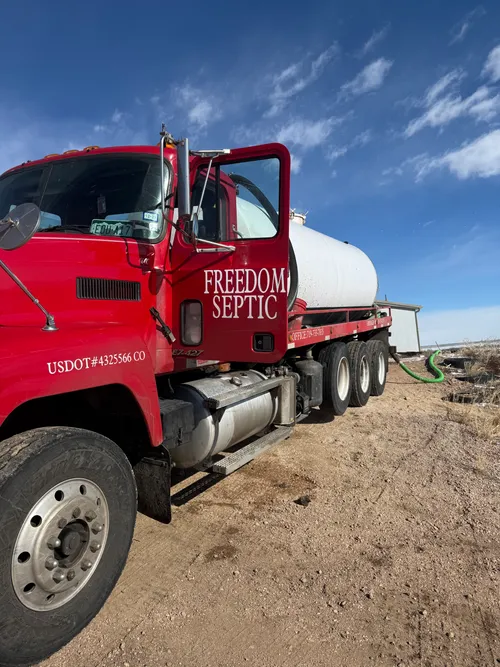
Freedom Septic Service LLC
Colorado Springs, CO
Freedom Septic Service LLC provides septic and grease trap maintenance services in Colorado Springs, CO. They offer thorough septic system care, grease trap cleaning, and NAWT-certified transfer title inspections to ensure compliance and system efficiency. The company emphasizes environmental protection and system longevity through regular maintenance. They also provide emergency services when needed.
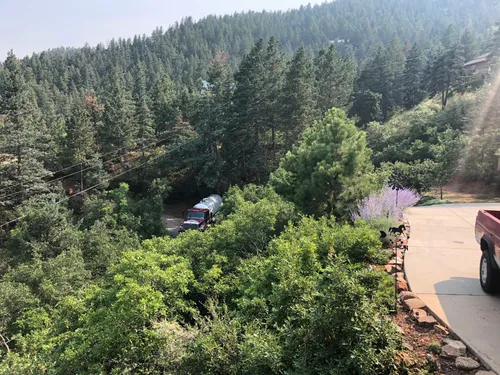
Arrowhead Septic Services
Colorado Springs, CO
Arrowhead Septic Services is a family-owned company based in Colorado Springs, CO, serving homeowners and businesses throughout El Paso and Teller Counties. They provide septic pumping, septic inspections, and grease trap maintenance with certified expertise as a member of the National Association of Waste Transporters (NAWT).
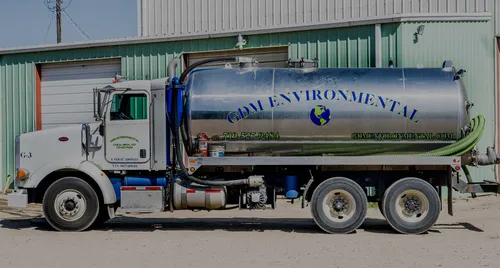
GDM Environmental
2239 Commercial Blvd #C, Colorado Springs, CO 80906
GDM Environmental is a grease trap cleaning company based in Colorado Springs, CO, serving residential, commercial, industrial, and governmental clients along the Front Range. They offer a range of environmental services including septic tank cleaning, drain and sewer line cleaning, hydro jetting, hydro excavation, industrial vacuum services, and video line inspections. With over 40 years of experience, GDM Environmental has the trained technicians and equipment to handle jobs of any size, including municipal systems. The company provides 24/7 emergency availability to support urgent needs.
Reliable Sanitation Services
2239 Commercial Blvd, Colorado Springs, CO 80906
Reliable Sanitation Services is based in Colorado Springs, CO, providing grease trap cleaning and related sanitation services to residential, commercial, industrial, and governmental clients. They serve a variety of facilities including school districts, shopping centers, hotels, resorts, and restaurants across the Front Range. The company offers a range of capabilities such as grease trap cleaning, septic tank maintenance, drain and sewer line cleaning, hydro jetting, hydro excavation, industrial vacuum services, and video line inspections. With over 40 years of combined experience and proper certifications, Reliable Sanitation Services is equipped to handle jobs of any size, including entire municipal systems. They also provide 24/7 emergency service availability.
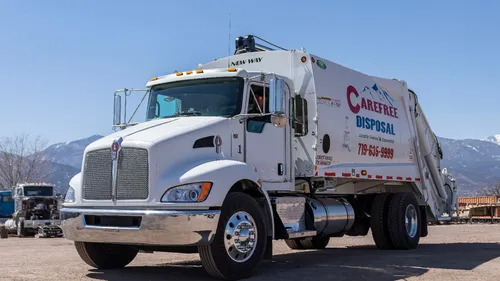
Front Range Grease
5 E Bijou St, Colorado Springs, CO 80903
Front Range Grease is a local company based in Colorado Springs, CO, specializing in used cooking oil collection and grease trap cleaning. They serve restaurants in Colorado Springs, Fountain, Monument, and Pueblo, offering scheduled and emergency grease trap pumping services to help businesses stay compliant with utility requirements. Their used cooking oil and yellow grease are recycled through a Colorado-based processing facility, ensuring environmentally responsible disposal. Front Range Grease has been serving the local community for decades and provides emergency call-out services for urgent needs.
Understanding Local FOG Regulations and Compliance
In Colorado Springs, grease trap maintenance is governed by a combination of state retail food codes and local utility ordinances. The primary goal is to prevent FOG from entering the municipal sewer system, where it can cool, solidify, and cause major blockages leading to sanitary sewer overflows (SSOs). Compliance is monitored by entities like the City of Colorado Springs Utilities and the El Paso County Health Department, which conduct inspections and review maintenance records.
Key regulatory requirements for food service establishments include:
- Mandatory Pumping Frequency: Traps must be pumped regularly, typically every 90 days (quarterly), or more frequently if the combined sludge and FOG layer reaches 25% of the trap's total liquid capacity-commonly known as the "25% Rule" 1.
- Proper Waste Disposal: It is illegal to discharge grease, oils, or food solids into sinks, floor drains, or storm sewers. All collected FOG waste must be removed by a licensed and registered hauler 2.
- Record Keeping: You are required to maintain detailed service records, including dates, hauler information, and volumes removed. These logs must be available for review by inspectors upon request.
- Accessibility: Grease interceptors must be easily accessible for cleaning, pumping, and inspection at all times 3.
Failure to adhere to these rules can result in warnings, fines, and in severe cases, a suspension of your wastewater discharge permit until the issue is corrected.
The Real Cost of Grease Trap Maintenance
Budgeting for grease interceptor service is a fundamental cost of doing business in the food service industry. While it may seem like a recurring expense, proactive maintenance is far cheaper than the alternative. Costs vary significantly based on the type and size of your trap, its condition, and whether the service is scheduled or an emergency.
Standard Pumping Service Costs:
- Small Indoor Grease Traps (e.g., under-sink units): A routine cleaning typically ranges from $150 to $400 per service.
- Large Outdoor Grease Interceptors (in-ground or concrete vaults): Due to their size and the volume of waste, standard pumping for these units generally costs between $300 and $1,000+ per service 4 5.
The High Price of Non-Compliance: Neglecting regular maintenance almost always leads to higher costs. Emergency service calls, often required after a drain line backs up or an inspector issues a violation, can cost two to three times more than scheduled service. In extreme blockage or overflow scenarios, emergency pumping and cleanup can escalate to $1,000 to $4,500 or more 6 7. These figures don't include potential fines from the city or the lost revenue from a business interruption.
Find the perfect grease trap cleaning companies for your needs
Get personalized recommendations and expert advice
Developing a Proactive Maintenance Strategy
A reactive approach to grease trap cleaning is a recipe for trouble and expense. Implementing a proactive strategy is the best way to ensure compliance, control costs, and keep your kitchen running without disruption.
- Establish a Service Contract: Partner with a reputable, licensed local hauler like Arrowhead Septic or Colorado Pumping to set up a regular pumping schedule based on your establishment's volume and the trap's size. A contract ensures you are prioritized and helps avoid accidental oversights.
- Train Your Staff Thoroughly: Human error is a major contributor to grease trap overloading. Educate every team member on proper FOG disposal: scraping plates into trash bins, using sink strainers, and never pouring grease down the drain. This simple step can dramatically reduce the frequency of required pump-outs.
- Monitor and Document Diligently: Don't just set a calendar reminder and forget it. Visually check your trap's condition between services. Keep a dedicated binder with every service receipt, hauler manifest, and any inspection report. This organized record is your first line of defense during a compliance check 8.
- Respond to Warning Signs Immediately: Slow-draining sinks, gurgling sounds from drains, or foul odors are not minor nuisances-they are urgent red flags. Addressing these issues immediately by calling your service provider can prevent a full-scale backup and a much more expensive emergency call.
Choosing the Right Service Provider in Colorado Springs
Not all waste haulers are equal. When selecting a partner for your grease interceptor maintenance, due diligence is crucial. Ensure the company is fully licensed and insured to handle FOG waste in El Paso County. Look for providers with a strong local reputation and proven experience with food service establishments similar to yours. Ask potential vendors about their reporting process; a good partner will provide detailed service reports that you can easily add to your compliance records. Finally, be wary of companies that offer "chemical treatments" as a substitute for physical pumping. While enzymes and degreasers have a role in maintenance, they are not a replacement for mechanical removal of FOG and solids as required by code 9.
Consequences of Non-Compliance: Beyond the Fine
The impact of failing to maintain your grease trap extends beyond a one-time fine. Chronic violations can attract increased scrutiny from health inspectors, potentially affecting your establishment's rating. Severe blockages can cause sewage to back up into your own kitchen or neighboring businesses, leading to property damage, health hazards, and liability issues. In the worst cases, the city can require immediate, costly repairs to your plumbing or even restrict your business operations until the sewer line is cleared and the trap is brought into compliance 10 11. The reputational damage from such events can be long-lasting.
Frequently asked questions
Sources
Footnotes
-
Colorado Regulations for Grease Trap Pumping - https://mcdonaldfarmsinc.com/colorado-regulations-for-grease-trap-pumping/ ↩
-
Retail Food establishment rules and regulation - CDE - https://www.cde.state.co.us/sites/default/files/documents/cdefinance/download/pdf/retailfoodestablishmentrulesandregulation.pdf ↩
-
Fats, Oils, and Grease (FOG) Policy - https://swmetrowater.org/documents/fats-oils-and-grease-fog-policy-2/ ↩
-
Grease Trap Maintenance - Arrowhead Septic Services - https://www.arrowheadseptic.net/grease-trap-maintenance ↩
-
Grease Trap Cleaning Prices | Guide on the Industry Average - https://grease-cycle.com/grease-trap-pumping-cost/ ↩
-
Grease Trap Cleaning Guide: 25% Rule, Schedule & Compliance - https://greaseconnections.com/how-to-clean-a-grease-trap-and-how-often-you-should/ ↩
-
Grease Trap Pumping Cost vs. Grease Trap Maintenance Cost - https://www.stateindustrial.com/video/cost-comparison-pumping-v-chemicals-to-maintain-a-grease-trap/ ↩
-
Grease Trap Pumping Frequently Asked Questions - https://www.coloradopumping.com/grease-trap-pumping-faq/ ↩
-
Learn About Grease Trap installation | Southern Green - https://www.southerngreen.com/blog/install-a-grease-trap-on-my-own ↩
-
Colorado Retail Food Establishment Regulations - https://epc-assets.elpasoco.com/wp-content/uploads/sites/18/2024/03/6-CCR-1010-2-Retail-Food-Rules-Regulations_Distribution-Copy_031624.pdf ↩
-
Grease Trap Regulations and Compliance: What You Need to Know - https://www.texwaywastewater.com/grease-trap-regulations-and-compliance/ ↩