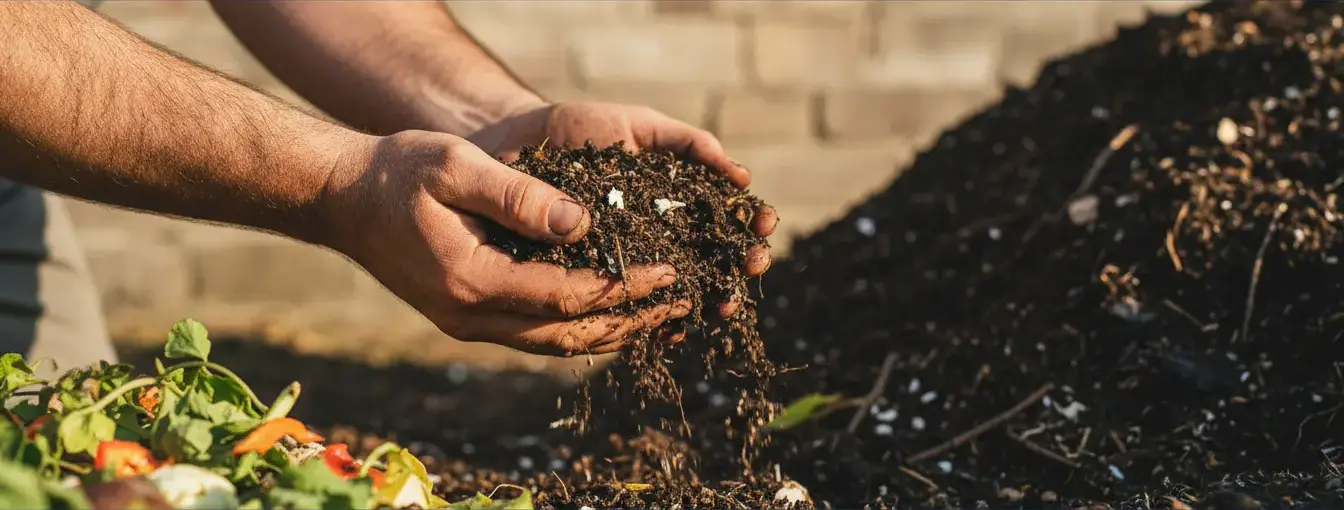
Find the Best Composting & Food Waste Companies for Your Business
No obligation • Fast responses • Nationwide coverage

Why you can trust Restaurant Waste Disposal
Restaurant Waste Disposal is a leading U.S. resource for comparing restaurant composting, food-waste recycling, grease trap cleaning, and used cooking oil collection services. Our editorial team researches providers, checks credentials, and organizes unbiased information so operators can make informed decisions. Companies cannot pay to change ratings or placement.
Search providers near you
Top Composting & Food Waste Companies in Green Bay, Wisconsin Ranked
For Green Bay restaurants, managing food scraps isn't just about waste removal-it's a strategic step toward operational efficiency and environmental stewardship. While municipal services focus on residential diversion, the local commercial landscape for organic waste recycling is anchored by private hauling services that provide tailored solutions for foodservice businesses. Implementing a food waste diversion program can streamline back-of-house operations, reduce overall waste hauling costs, and significantly lower your establishment's environmental footprint. This guide details the practical pathways and best practices for Green Bay restaurants to transform food waste into a community resource.
Greener Bay Compost
300 Packerland Dr #10741, Green Bay, WI 54303
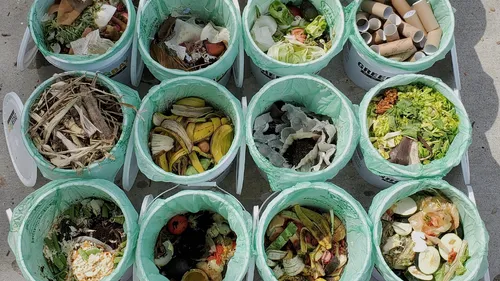
Greener Bay Compost is a food waste and composting service based in Green Bay, WI, serving the Green Bay and Appleton/Fox Cities areas. They operate the region's only commercial, food-waste-focused compost facility and provide residential and commercial compost pickup services. The company collects food scraps and organics from subscribers and processes them into nutrient-rich, contaminant-free compost available for sale year-round. Founded in 2021, Greener Bay Compost aims to reduce landfill waste and methane emissions by diverting thousands of pounds of organic material weekly, supporting sustainable waste management in Northeastern Wisconsin.
Quincy Recycle
701 Bay Beach Rd, Green Bay, WI 54302
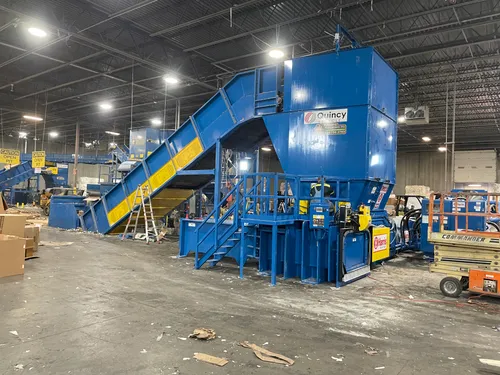
Quincy Recycle is an industrial recycling company based in Green Bay, WI, specializing in food waste and composting services for restaurants. They offer comprehensive recycling solutions including paper, plastic, and metal recycling, along with food waste processing and equipment distribution. With nearly 50 years of experience, Quincy Recycle supports clients from coast to coast by developing custom waste management strategies that help reduce landfill waste and promote sustainability. Their expertise includes handling complex waste streams and supplying Gaylord boxes to meet diverse industrial recycling needs.
Understanding Commercial Food Scrap Recycling in Green Bay
In Green Bay, commercial organic waste diversion operates primarily through private sector partners. The city does not currently provide municipal curbside collection for restaurant food scraps, making partnerships with dedicated haulers essential for businesses looking to compost. This model allows for highly customized service plans that fit the unique volume and schedule demands of a commercial kitchen. By diverting food waste from landfills, restaurants directly contribute to reducing methane emissions and creating nutrient-rich compost for local soil health.
The core of this system in Northeast Wisconsin is Greener Bay Compost (GBCompost), the region's primary hauler for commercial food waste. They specialize in servicing restaurants and other food-generating businesses, handling both the collection and processing of organic material. For a restaurant, this means the entire process-from supply delivery to final composting-is managed by a single provider, simplifying logistics and ensuring the waste is processed correctly according to environmental standards.
Key Service Provider: Greener Bay Compost
Greener Bay Compost offers a turnkey commercial pickup service designed specifically for businesses like restaurants. Any establishment generating food scraps during prep, cooking, or from customer plates is eligible to enroll. Their service model is built on flexibility, recognizing that a fast-casual spot has different needs than a fine-dining establishment or a large banquet hall.
The onboarding process typically involves an assessment of your restaurant's waste output to recommend an appropriate collection frequency and container setup. This personalized approach helps ensure the service is cost-effective and logistically smooth from day one. Partnering with a local hauler like GBComost also keeps the environmental benefits within the community, as the finished compost is often used to enrich local gardens and farms.
Container Systems and Supplies
Proper containment is critical for kitchen hygiene and efficient collection. GBCompost provides a streamlined system to its commercial clients:
- 5-Gallon Food-Safe Buckets: Restaurants are supplied with durable, individually-numbered 5-gallon buckets. These are sized to be manageable for kitchen staff to carry and are designed to be food-safe and easy to clean.
- BPI-Certified Compostable Liners: Each bucket is used with a liner that is certified by the Biodegradable Products Institute (BPI). These liners are designed to break down completely in the commercial composting process, offering a convenient and sanitary way to collect scraps without plastic contamination.
- Secure Lids: "Easy peel" lids are provided to seal the buckets securely. This is essential for controlling odors and preventing pests, which is a top concern in any foodservice environment.
This standardized system simplifies staff training-everyone learns to use the same buckets and liners-and ensures compatibility with the hauler's processing facility.
Scheduling and Collection Logistics
Unlike residential routes that run on a fixed weekly schedule, commercial pickup with GBComost is customized. The frequency of collection is determined during setup and is based on your restaurant's specific volume of food waste. A high-volume establishment might require pickups several times a week, while a smaller cafe might only need weekly service.
This flexible scheduling is a significant advantage, as it allows the service to scale with your business and adapt to seasonal fluctuations. The hauler works directly with you to establish a reliable pickup routine that fits your kitchen's workflow and storage capacity, ensuring waste doesn't accumulate.
What Can and Cannot Be Composted
Adhering to contamination guidelines is the most important factor for a successful restaurant composting program. Contaminants can ruin entire batches of compost, so clear sorting is non-negotiable. Staff training on these guidelines is essential.
Acceptable Food Scraps & Items:
- All food prep waste (vegetable peels, eggshells, coffee grounds).
- Plate scrapings and leftover customer food.
- BPI-certified compostable serviceware (plates, cups, cutlery).
- BPI-certified compostable bags (like the provided liners).
Common Contaminants to Exclude:
- Plastic bags (unless they are specifically BPI-certified).
- Traditional plastic, glass, metal, or Styrofoam.
- Liquids, fats, and cooking oils (these typically require separate grease trap or used oil recycling services).
- Paper towels, napkins, or other paper products (policies on these can vary; it's best to check with your hauler for specifics, as some facilities may not accept them) 1.
Find the perfect composting & food waste companies for your needs
Get personalized recommendations and expert advice
The Financial and Operational Impact
Implementing a food waste diversion program involves a monthly service fee, which varies based on collection volume and frequency 2. However, this cost is often offset by a reduction in your traditional landfill trash hauling expenses. By diverting heavy, wet organic waste from your trash dumpsters, you may be able to reduce the size of your trash container or the frequency of trash pickups, leading to net savings.
Beyond direct cost management, there are significant operational benefits. A well-run program promotes organization and can improve kitchen efficiency. It also aligns with growing consumer expectations; many diners actively prefer to support restaurants with verifiable sustainability practices. Promoting your composting efforts can enhance your brand's reputation and appeal to a conscientious clientele.
Implementing a Program in Your Restaurant
Starting a composting program requires a clear plan. The first step is to contact a service provider like Greener Bay Compost for a consultation and quote. They can guide you through container placement, initial volume estimates, and scheduling.
Once service is established, comprehensive staff training is the key to success. Use clear signage (often available from your hauler) above collection stations. Conduct hands-on training sessions for all kitchen and bussing staff to ensure everyone understands what belongs in the compost bucket versus the trash or recycling. Designate a "waste champion" on your team to monitor the system and answer questions.
Finally, monitor and adjust. Track how quickly your buckets fill up. If they are consistently overflowing, you may need more frequent pickups. If they are often only half-full, you might reduce frequency and cost. This ongoing management ensures the program remains efficient and cost-effective for your specific operation.
Beyond Collection: The Environmental Cycle
When your restaurant's food scraps are collected by a service like GBCompost, they are transported to a commercial composting facility. There, through a controlled process of decomposition, they are transformed over several months into a stable, nutrient-rich soil amendment. This compost is then sold or distributed for use in agriculture, landscaping, and gardening, closing the loop from your kitchen to the local environment.
This cycle reduces greenhouse gas emissions from landfills, conserves landfill space, and returns valuable organic matter to the soil, reducing the need for chemical fertilizers. For a Green Bay restaurant, participating in this cycle is a tangible contribution to the health and sustainability of the broader community.
Frequently asked questions
Sources
Footnotes
-
Composting - https://www.superiorwi.gov/1262/Composting ↩
-
Commercial Compost Pickup Service - https://www.gbcompost.com/commercial/ ↩