Find the Best Composting & Food Waste Companies for Your Business
No obligation • Fast responses • Nationwide coverage

Why you can trust Restaurant Waste Disposal
Restaurant Waste Disposal is a leading U.S. resource for comparing restaurant composting, food-waste recycling, grease trap cleaning, and used cooking oil collection services. Our editorial team researches providers, checks credentials, and organizes unbiased information so operators can make informed decisions. Companies cannot pay to change ratings or placement.
Search providers near you
Top Composting & Food Waste Companies in Eau Claire, Wisconsin Ranked
Eau Claire County has set an ambitious goal to reduce the amount of organic material sent to landfills by 50% by 2030, with a significant push for businesses, including restaurants, to participate in food waste diversion. With organic waste making up an estimated 30% of the local waste stream, managing food scraps and compostable materials is a key focus for sustainability efforts in the area. For restaurant owners and food service operators, navigating the options for organic waste recycling involves understanding a mix of private services, self-haul opportunities, and best practices for successful participation.
The county provides valuable resources and guidance on reducing food waste, but direct municipal collection for commercial organics is not universally offered. Instead, restaurants typically engage private waste haulers or take advantage of local drop-off facilities. Successfully integrating a food scrap diversion program requires attention to source separation, proper containers, and understanding the associated costs and regulations to ensure the material is turned into valuable compost, not contaminated waste.
Commercial Options for Food Scrap Diversion
For restaurants in Eau Claire, managing food waste isn't a one-size-fits-all service. You have several pathways to divert organic material from the landfill, each with its own operational considerations.
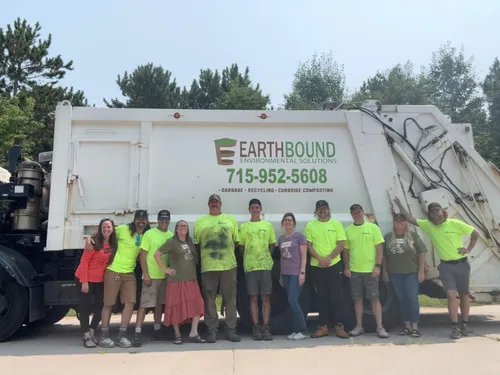
Private Hauling Services This is the most common solution for businesses generating consistent volumes of food scraps. Several private waste management companies operate in the Eau Claire area, offering dedicated commercial organics collection programs. These services function similarly to traditional trash or recycling pickup: they provide specific containers (like carts or bins) for food waste, establish a regular pickup schedule, and transport the material to a permitted composting facility. The specifics-including container sizes, pickup frequency, and cost-vary significantly by provider, so it's essential to contact local haulers directly for quotes and service details.
Self-Hauling to Processing Facilities For restaurants that prefer more control or have lower volumes, self-hauling is a viable alternative. The City of Eau Claire operates a Green Waste Facility that accepts organic material. Before loading up your food scraps, it's crucial to check the facility's current rules for commercial users, accepted materials, and any associated tipping fees. This option requires your staff to handle transportation and dumping, but it can offer scheduling flexibility and potentially lower costs for smaller operations.
Key Operational Considerations for Restaurants
Implementing an organics recycling program goes beyond just signing up for a service. Quality control is paramount to ensure the collected material can be composted.
Container Management & Contamination Contamination is the single biggest challenge for composting programs. To produce clean, marketable compost, your food waste must be kept separate from plastics, glass, metals, and conventional trash. Work with your hauler to obtain clearly labeled, dedicated bins for kitchen scraps. Train your staff thoroughly on what goes in the compost bin (e.g., fruit and vegetable trimmings, meat, dairy, soiled paper towels, and approved compostable serviceware) versus the trash or recycling. Consistent, clean separation protects the value of the compost and avoids potential rejection or extra fees from your hauler.
Understanding Costs and Potential Savings Costs for commercial food waste services are not standardized and can vary widely 1. You will typically pay a fee for the collection service, which may be based on container size, pickup frequency, and hauling distance. There may also be a tipping fee at the processing end. However, diverting heavy, wet organic waste can also lead to savings by reducing the volume and weight of your regular trash, potentially allowing for less frequent garbage pickups or smaller dumpsters. A detailed cost-benefit analysis with your waste provider can clarify the financial impact for your specific operation.
Regulations for Larger Operations If your restaurant is considering on-site composting or managing a very large volume of food waste, you must review Wisconsin Department of Natural Resources (DNR) regulations 2. The DNR has specific rules (outlined in forms like 4400-209) governing composting operations, which may include site requirements, management plans, and registration depending on the scale 2. For most restaurants using off-site hauling, the hauler and composting facility handle these regulatory compliance issues.
Find the perfect composting & food waste companies for your needs
Get personalized recommendations and expert advice
Building a Successful Program: Steps to Take
Starting a food waste diversion initiative requires planning. Here is a practical roadmap for Eau Claire restaurant managers.
- Conduct a Waste Audit: Spend a week sorting and weighing your trash. This will show you how much of your waste stream is compostable organics, helping you right-size your service and forecast potential cost shifts.
- Contact Local Service Providers: Reach out to waste haulers serving the Eau Claire area. Ask specific questions about their commercial organics programs: What containers do they provide? What is the pickup schedule? What materials are accepted? Most importantly, request a detailed price quote.
- Train Your Team Thoroughly: The success of the program hinges on proper sorting at the source-in your kitchen and dish room. Create simple, clear signage (with pictures) for your compost, recycling, and trash stations. Hold training sessions and consider appointing a "green champion" on staff to maintain standards.
- Leverage Local Resources: The Eau Claire County Recycling & Sustainability Program website is an excellent starting point for information and best practices on fighting food waste. Use these resources to educate yourself and your staff on the local "why" behind these efforts.
The Broader Impact on Eau Claire's Sustainability
Eau Claire's commitment to environmental solutions is a point of community pride, and effective organics management is a cornerstone of that identity 3. When restaurants participate in food scrap composting, they contribute directly to the county's landfill diversion goals, reduce greenhouse gas emissions from decomposing waste, and help create a nutrient-rich product that can nourish local soils. This proactive approach to waste aligns with the values of a growing segment of consumers who prefer to support environmentally responsible businesses. By turning a waste product into a resource, your restaurant can play a direct role in enhancing the region's green reputation and ecological health.
Frequently asked questions
Sources
Footnotes
-
Fight Food Waste | Recycling & Sustainability - https://www.eauclairecounty.gov/departments/planning_and_development/recycling_sustainability_program/solid_waste/fight_food_waste.php ↩
-
Composting rules and regulations in Wisconsin - https://dnr.wisconsin.gov/topic/Recycling/regs.html ↩ ↩2
-
Eau Claire's Path to Sustainability: Environmental Solutions & Green Resources - https://www.visiteauclaire.com/plan/sustainability/ ↩