Find the Best Composting & Food Waste Companies for Your Business
No obligation • Fast responses • Nationwide coverage

Why you can trust Restaurant Waste Disposal
Restaurant Waste Disposal is a leading U.S. resource for comparing restaurant composting, food-waste recycling, grease trap cleaning, and used cooking oil collection services. Our editorial team researches providers, checks credentials, and organizes unbiased information so operators can make informed decisions. Companies cannot pay to change ratings or placement.
Search providers near you
Best Composting & Food Waste Companies in Wisconsin Ranked
For Wisconsin restaurants, managing food scraps and organic waste is an increasingly important part of operations. While the state does not have a direct, statewide mandate requiring restaurants to compost, a framework of goals, financial incentives, and local options creates a compelling case for food waste diversion. The Wisconsin Department of Natural Resources (DNR) has set an ambitious target to cut per-capita food waste going to landfills by 50% by 2030. This goal is supported by existing landfill surcharges and mandatory business recycling laws, making organics recycling a practical step toward sustainability and potential cost management. Navigating the landscape involves understanding state-level encouragement, local ordinances, and the network of private service providers that make commercial composting accessible across the Badger State.
Greener Bay Compost
300 Packerland Dr #10741, Green Bay, WI 54303
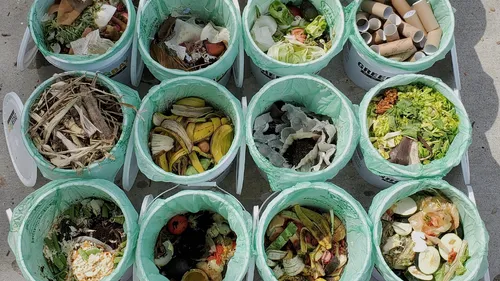
Greener Bay Compost is a food waste and composting service based in Green Bay, WI, serving the Green Bay and Appleton/Fox Cities areas. They operate the region's only commercial, food-waste-focused compost facility and provide residential and commercial compost pickup services. The company collects food scraps and organics from subscribers and processes them into nutrient-rich, contaminant-free compost available for sale year-round. Founded in 2021, Greener Bay Compost aims to reduce landfill waste and methane emissions by diverting thousands of pounds of organic material weekly, supporting sustainable waste management in Northeastern Wisconsin.
Earthbound Environmental Solutions, LLC
720 N Hillcrest Pkwy, Altoona, WI 54720
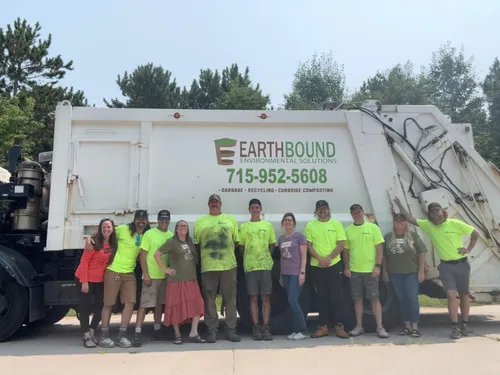
Earthbound Environmental Solutions, LLC provides food waste and composting services tailored for restaurants in Eau Claire, WI. The company offers convenient weekly pickup of food scraps, yard waste, and organics, including providing bins and compostable bags to support composting efforts. Earthbound Environmental Solutions began with support from the Western Dairyland Business Center and serves local businesses looking to manage waste sustainably.
Quincy Recycle
701 Bay Beach Rd, Green Bay, WI 54302
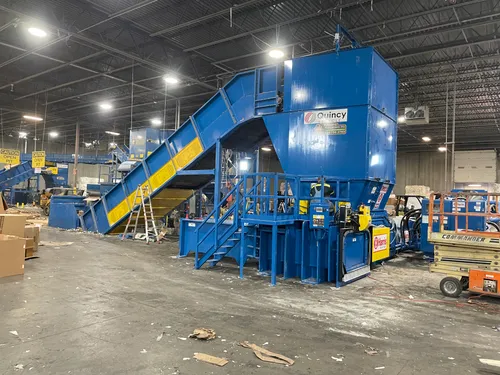
Quincy Recycle is an industrial recycling company based in Green Bay, WI, specializing in food waste and composting services for restaurants. They offer comprehensive recycling solutions including paper, plastic, and metal recycling, along with food waste processing and equipment distribution. With nearly 50 years of experience, Quincy Recycle supports clients from coast to coast by developing custom waste management strategies that help reduce landfill waste and promote sustainability. Their expertise includes handling complex waste streams and supplying Gaylord boxes to meet diverse industrial recycling needs.
Compost Crusader
1780 E Bolivar Ave, St Francis, WI 53235
Compost Crusader is a woman-owned business based in Milwaukee, WI, focused on food waste and composting services for restaurants and other local institutions. They provide curbside pick-up of post-consumer food scraps and haul the material to a Department of Natural Resources (DNR) approved compost site. Compost Crusader aims to expand composting infrastructure in southeastern Wisconsin by creating a new compost site to handle a wider range of food scraps and meet growing diversion demands.
Wisconsin's Approach to Food Waste Reduction
Wisconsin's strategy for managing organic waste is characterized by encouragement and incentive rather than blanket mandates for restaurants. The cornerstone of this approach is the DNR's 2030 goal to significantly reduce landfill-bound food waste 1. This target aligns with broader sustainable materials management principles, focusing on preventing waste, donating edible food, and recycling scraps.
To push this goal forward, the state employs financial mechanisms. Landfill surcharges, which total approximately $13 per ton, increase the cost of traditional waste disposal 2. This effectively makes alternative strategies like waste reduction, donation, and composting more financially competitive for businesses. Furthermore, Wisconsin's long-standing mandatory business recycling law requires all businesses, including restaurants, to recycle designated materials like paper, cardboard, plastics, metal, and glass 3. While this law doesn't explicitly list food waste, it establishes a culture of business recycling compliance that organics diversion can naturally extend.
Understanding the Regulatory Landscape
State Rules for Composting Facilities
If your restaurant considers on-site composting, state regulations come into play. The DNR licenses composting facilities that handle more than 50 cubic yards of material on-site at any time 4. These facilities must operate without causing nuisances (like odors or runoff) and follow specific management practices, including monitoring temperature and turning schedules 4 5. For most restaurants, partnering with a licensed, off-site composter is the more feasible path.
The Role of Local "Responsible Units"
A key layer of regulation exists at the local level. Wisconsin's recycling and solid waste programs are administered by counties, cities, villages, and tribes designated as "Responsible Units" (RUs) 6. These RUs enforce the state's recycling laws and can adopt more stringent local ordinances. This means that while the state may not mandate restaurant food waste composting, your specific city or county might. It is essential to check with your local public works or recycling department to understand any local requirements or available programs for commercial organics.
Options for Restaurant Food Waste Collection
For restaurants without the space or desire for on-site composting, private collection services are the primary solution. These companies handle the logistics of pickup and transport organic waste to licensed composting facilities.
- Service Models: Common models include providing 5-gallon locked buckets or larger wheeled carts. Providers typically service these containers on a weekly or bi-weekly schedule, depending on your volume.
- Accepted Materials: Most commercial composters accept a wide range of food scraps, including cooked foods, meat, bones, dairy, fruit, vegetables, coffee grounds, and compostable paper products like napkins and certain foodservice ware.
- Provider Example: Companies like Greener Bay Compost offer commercial pickup services specifically for restaurants, cafes, and other food-service businesses, demonstrating the available market for these services 7.
Engaging a private hauler turns food waste from a disposal problem into a recycled commodity, contributing directly to the state's waste reduction goals.
The Business Case for Composting in Your Restaurant
Beyond regulatory considerations, diverting food waste offers tangible benefits for Wisconsin restaurants.
- Cost Management: As landfill tipping fees rise with surcharges, reducing the volume of trash in your dumpster can lower waste hauling costs. Separating dense, wet organics can also reduce odors and pest issues in trash areas.
- Sustainability Leadership: Customers increasingly value environmentally responsible businesses. A visible composting program enhances your brand's reputation and can align with the values of your community.
- Operational Efficiency: The process of separating organics often leads to greater staff awareness of waste, which can help identify over-preparation and opportunities to improve inventory management and reduce food costs upfront.
- Supporting Local Economy: The compost produced from your food scraps is often sold locally to farms, landscapers, and gardeners, closing the nutrient loop within the regional economy.
Find the perfect composting & food waste companies for your needs
Get personalized recommendations and expert advice
Implementing a Successful Program
Starting a food waste diversion program requires planning. Begin by conducting a waste audit to understand the volume and type of organics your kitchen produces. Next, research and contact private haulers in your area to compare service options, costs, and accepted materials. Involve your staff from the start with clear training on what goes into the compost bin versus recycling or trash. Clear signage and properly placed collection bins in both the back-of-house and, if applicable, customer-facing areas are crucial for contamination-free streams. Finally, communicate your efforts to your customers-it's a story worth telling.
Donation: The First Step in the Food Waste Hierarchy
Before composting, the most preferred action for surplus food is donation. Wisconsin actively promotes food donation to feed people in need. The DNR's Sustainable Management of Food framework emphasizes source reduction and donation as top priorities. Restaurants can partner with local food banks, pantries, or rescue organizations. Donating wholesome, unsold food not only diverts waste from landfills but also provides vital community support. Be sure to understand the federal Bill Emerson Good Samaritan Food Donation Act, which protects donors from liability when donating in good faith.
Looking Ahead: The Future of Organics in Wisconsin
The state's 2030 food waste reduction goal indicates that organics recycling will remain a focus area. While a statewide restaurant mandate is not currently in place, the combination of financial incentives (landfill surcharges), existing business recycling laws, and local authority creates a dynamic environment. Some municipalities may lead the way with local ordinances, as seen in other states. Staying informed through resources from the Wisconsin DNR and your local Responsible Unit will help your restaurant adapt proactively. Investing in food waste diversion today positions your business as a leader, potentially ahead of future regulatory curves.
Frequently asked questions
Sources
Footnotes
-
Understanding Sustainable Management of Food - Wisconsin DNR - https://dnr.wisconsin.gov/topic/Waste/SMF.html ↩
-
Wisconsin - Waste Disposal Surcharges | Composting for Community - https://ilsr.org/article/composting-for-community/wisconsin-waste-surcharges-2/ ↩
-
Small business and workplace recycling - Wisconsin DNR - https://dnr.wisconsin.gov/topic/SmallBusiness/Recycling.html ↩
-
Composting rules and regulations in Wisconsin - https://dnr.wisconsin.gov/topic/Recycling/regs.html ↩ ↩2
-
Composting in Wisconsin - https://dnr.wisconsin.gov/topic/Recycling/Compost.html ↩
-
Responsible unit recycling programs - Wisconsin DNR - https://dnr.wisconsin.gov/topic/Recycling/RU.html ↩
-
Commercial Compost Pickup Service - https://www.gbcompost.com/commercial/ ↩