Find the Best Composting & Food Waste Companies for Your Business
No obligation • Fast responses • Nationwide coverage

Why you can trust Restaurant Waste Disposal
Restaurant Waste Disposal is a leading U.S. resource for comparing restaurant composting, food-waste recycling, grease trap cleaning, and used cooking oil collection services. Our editorial team researches providers, checks credentials, and organizes unbiased information so operators can make informed decisions. Companies cannot pay to change ratings or placement.
Search providers near you
Top Composting & Food Waste Companies in Appleton, Wisconsin Ranked
For restaurants in Appleton, managing organic waste is not just an environmental consideration but a practical operational decision. With Wisconsin's long-standing commitment to recycling and resource recovery, local food service establishments have a variety of pathways to divert food scraps and compostable materials from the landfill. Implementing a food waste recycling program can help businesses reduce their environmental footprint, potentially lower waste hauling costs, and align with the values of a community that supports sustainability. Success hinges on understanding the available services, from private haulers to potential municipal resources, and maintaining strict control over what goes into the compost stream to avoid contamination.
Greener Bay Compost
300 Packerland Dr #10741, Green Bay, WI 54303
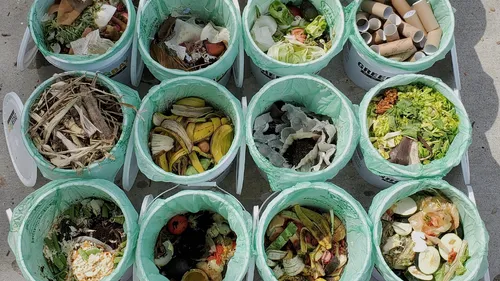
Greener Bay Compost is a food waste and composting service based in Green Bay, WI, serving the Green Bay and Appleton/Fox Cities areas. They operate the region's only commercial, food-waste-focused compost facility and provide residential and commercial compost pickup services. The company collects food scraps and organics from subscribers and processes them into nutrient-rich, contaminant-free compost available for sale year-round. Founded in 2021, Greener Bay Compost aims to reduce landfill waste and methane emissions by diverting thousands of pounds of organic material weekly, supporting sustainable waste management in Northeastern Wisconsin.
Quincy Recycle
701 Bay Beach Rd, Green Bay, WI 54302
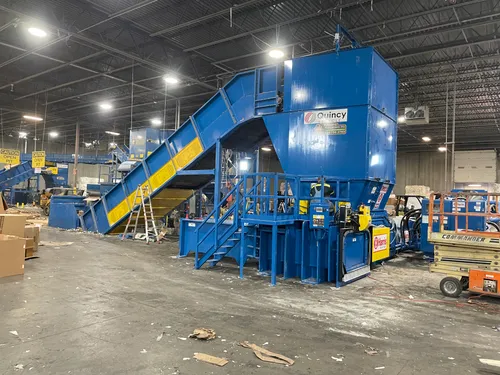
Quincy Recycle is an industrial recycling company based in Green Bay, WI, specializing in food waste and composting services for restaurants. They offer comprehensive recycling solutions including paper, plastic, and metal recycling, along with food waste processing and equipment distribution. With nearly 50 years of experience, Quincy Recycle supports clients from coast to coast by developing custom waste management strategies that help reduce landfill waste and promote sustainability. Their expertise includes handling complex waste streams and supplying Gaylord boxes to meet diverse industrial recycling needs.
Understanding Your Organic Waste Stream
Before selecting a service, it's crucial for restaurant managers to conduct a waste audit. This involves analyzing the volume and types of organic waste your kitchen produces daily-from pre-consumer vegetable trimmings and coffee grounds to post-consumer food-soiled paper napkins. Knowing your output helps determine the appropriate container size and collection frequency needed. This step is foundational, as it directly impacts service costs and operational logistics, ensuring you don't pay for more capacity than you need or face overflow issues.
Primary Service Options for Appleton Restaurants
Most commercial food waste diversion in the Fox Cities area is handled through private service providers. Here's a breakdown of the typical avenues available:
Private Hauling Services
This is the most common solution for restaurants requiring reliable, scheduled pickup.
- Providers: National companies like Waste Management and Republic Services operate in the region, alongside local haulers such as Fox Valley Waste and Curbside Waste 1.
- Service Model: These companies typically offer subscription-based programs where they supply dedicated containers (ranging from 32-gallon carts to larger dumpsters) for organic waste.
- Scheduling & Cost: Pickup frequency can be weekly, bi-weekly, or on-demand. Costs are not fixed and vary significantly based on container size, pickup frequency, location, and the hauler's specific pricing structure. Obtaining direct quotes from several providers is essential for comparison 2 3.
Municipal and Community Resources
While Appleton boasts a robust residential recycling and yard waste program, specific municipal composting services for commercial entities like restaurants are less common and should be verified.
- Action Step: Contact the Appleton Public Works Department directly to inquire about any existing commercial food waste collection initiatives or partnerships.
- Drop-Off Locations: Some county recycling centers or community compost sites may accept food scraps from businesses. Eligibility, accepted materials, and fees vary, so a phone call to local facilities is a necessary first step.
On-Site Management Strategies
For establishments with the space and commitment, handling organics on-premises is an option.
- Backyard-Style Composting: Suitable for smaller volumes of plant-based scraps (fruits, vegetables, coffee grounds, eggshells). It generally cannot process meat, dairy, or oily foods, which limits its utility for a full-service restaurant.
- In-Sink Food Disposers (Garbage Disposals): This sends food waste into the sewer system. Restaurants must check with local sewer authority regulations, as some municipalities have restrictions or associated fees for high-volume commercial use.
- Advanced Digesters: Emerging technologies like aerobic digesters can break down a wider variety of food waste on-site, reducing volume and odor. These represent a larger capital investment but can offer long-term savings and operational control.
Find the perfect composting & food waste companies for your needs
Get personalized recommendations and expert advice
The Critical Role of Contamination Control
A successful organics recycling program lives or dies by contamination control. Contaminants like plastic bags, utensils, glass, and styrofoam can ruin an entire batch of compost, leading to extra fees, rejected loads, and potential service cancellation.
Key Guidelines for Staff Training:
- DO Compost: Fruit and vegetable scraps, coffee grounds and filters, tea bags (staples removed), eggshells, and uncoated food-soiled paper like napkins and pizza boxes.
- DO NOT Compost: Plastic of any kind (including "compostable" bags unless explicitly accepted by your hauler), metal, glass, rubber bands, styrofoam, diapers, pet waste, and typically meat, bones, and dairy in basic programs 4.
Clear, multilingual signage above collection bins and consistent staff training are non-negotiable investments to keep your stream clean.
Benefits Beyond the Bin
Implementing a food waste diversion program offers tangible benefits for Appleton restaurants.
- Cost Management: While there is a cost for organics collection, it can be offset by reducing the frequency of trash pickups or downsizing your general waste dumpster, as organics are often heavy.
- Sustainability Marketing: Demonstrating a commitment to environmental stewardship resonates with customers and can enhance your restaurant's brand image in the community.
- Regulatory Preparedness: Proactively managing food waste positions your business well for any future local or state regulations aimed at diverting organics from landfills, building on Wisconsin's history of progressive recycling law 5.
Getting Started: A Practical Checklist
- Audit Your Waste: Track what and how much you throw away for a week.
- Research Local Haulers: Contact at least three private waste service providers for quotes and service details specific to organic waste.
- Call the City: Reach out to Appleton Public Works to explore all municipal options or resources 6.
- Review State Rules: If considering large-scale or on-site composting, consult the Wisconsin DNR's regulations for composting facilities 7.
- Plan Internally: Designate collection bins, create signage, and develop a staff training protocol.
- Implement and Monitor: Launch the program, collect feedback from kitchen and front-of-house staff, and adjust as needed to ensure participation and prevent contamination.
Frequently asked questions
Sources
Footnotes
-
What is Restaurant Composting? - Benefits & How It Works - https://www.webstaurantstore.com/article/60/restaurant-composting.html ↩
-
Composting At Home | US EPA - https://www.epa.gov/recycle/composting-home ↩
-
How to Reduce Restaurant Food Waste in 2025 - https://orderable.com/blog/reduce-restaurant-food-waste/ ↩
-
Composting | US EPA - https://www.epa.gov/sustainable-management-food/composting ↩
-
Passed Wisconsin Recycling Law - https://www.cleanwisconsin.org/1990-passed-wisconsin-recycling-law/ ↩
-
Recycling at home - Wisconsin DNR - https://dnr.wisconsin.gov/topic/Recycling/homerecycle.html ↩
-
Composting rules and regulations in Wisconsin - https://dnr.wisconsin.gov/topic/Recycling/regs.html ↩