
Find the Best Composting & Food Waste Companies for Your Business
No obligation • Fast responses • Nationwide coverage

Why you can trust Restaurant Waste Disposal
Restaurant Waste Disposal is a leading U.S. resource for comparing restaurant composting, food-waste recycling, grease trap cleaning, and used cooking oil collection services. Our editorial team researches providers, checks credentials, and organizes unbiased information so operators can make informed decisions. Companies cannot pay to change ratings or placement.
Search providers near you
Top Composting & Food Waste Companies in Tacoma, Washington Ranked
For restaurants and food service businesses in Tacoma, managing organic waste is no longer just an environmental consideration-it's a key operational and regulatory requirement. With Washington State's organics management law expanding in 2025, many commercial entities will be mandated to separate food scraps and compostable materials from their general trash. This shift presents an opportunity to reduce landfill contributions, potentially lower waste disposal costs, and align with the sustainability values of the Tacoma community. Navigating the options for food waste recycling, from city-provided carts to private haulers, is an essential step for any food-based business looking to operate efficiently and responsibly.
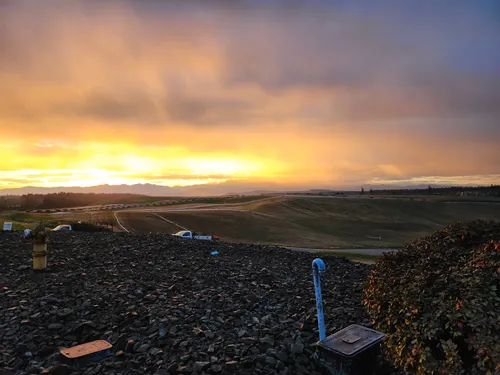
LRI LANDFILL
17925 Meridian E, Puyallup, WA 98375
LRI LANDFILL, operating under Pierce County Recycling, Composting, & Disposal LLC, provides solid waste disposal and recycling services in Puyallup, WA. The facility focuses on food waste and composting solutions for restaurants and other commercial customers within Pierce County. They offer commercial compost sales and manage multiple transfer stations across the region. LRI emphasizes environmentally sound waste management practices and collaborates with local businesses and regulatory agencies to support sustainable disposal methods.
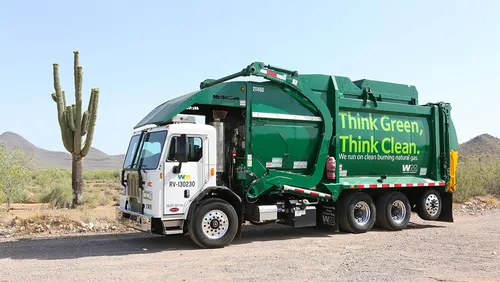
Bokashicycle WA LLC
7506 69th Ave SW, Lakewood, WA 98498
Bokashicycle WA LLC is based in Lakewood, WA, and specializes in food waste and composting solutions for restaurants and other industries. They use a patented bokashi fermentation process that is scientifically backed to convert organic waste into valuable soil nutrients. This anaerobic fermentation method reduces odors and greenhouse gas emissions while producing products like AgrowTeaTM and AgrowPulpTM that improve soil and plant health. Bokashicycle WA LLC supports a variety of sectors including residential, agriculture, pet waste, and the marijuana industry with sustainable organic waste management.
LRI - SALES ROAD COMPOSTING/RECYCLING
10308 Sales Rd S, Tacoma, WA 98499
LRI - SALES ROAD COMPOSTING/RECYCLING operates in Lakewood, WA, providing food waste and composting services primarily for restaurants and other commercial clients. As part of Pierce County Recycling, Composting, & Disposal LLC, the business focuses on environmentally sound solid waste disposal and recycling solutions within Pierce County. They work closely with local businesses, contractors, and regulatory agencies to manage food and yard waste effectively. The company also offers commercial compost sales and guidance on proper disposal of items such as batteries and appliances. Their services are available to residents and businesses within Pierce County.
Understanding Tacoma's Organics Recycling Landscape
Tacoma's approach to commercial food waste diversion involves a partnership between public services and private waste management companies. The City of Tacoma's Environmental Services Department provides the framework and regulations, while collection is typically handled by your contracted solid waste hauler, such as LeMay or Pierce County Recycling, Composting and Disposal. For smaller-scale generators or those seeking a specialized service, private companies like GEME offer dedicated bin rentals and pickup. The system is designed to integrate with your existing trash and recycling services, creating a streamlined waste management triad.
A critical component for businesses is understanding their classification under state law. Washington's regulations designate certain areas as Business Organics Management Areas (BOMAs). Starting January 1, 2025, businesses within these areas that generate four or more cubic yards of combined food and yard waste per week are required by law to subscribe to an organics collection service 1. Even if your business falls outside a BOMA or generates less volume, proactively setting up organics recycling is a forward-thinking practice that can simplify compliance as regulations evolve and demonstrate environmental leadership.
What Can and Cannot Go in Your Organics Bin
Proper sorting is crucial for successful composting. Contamination with non-compostable materials can ruin entire loads of valuable compost, leading to disposal in landfills and potential service issues.
Accepted Materials Include:
- All food scraps: This includes fruits, vegetables, meat, poultry, fish, bones, dairy products, eggs, and shells.
- Food-soiled paper products: Paper napkins, paper towels, uncoated paper plates, and coffee filters.
- Yard waste: Grass clippings, leaves, and small branches.
Strictly Prohibited Contaminants:
- All plastic bags, including those labeled as "compostable" or "biodegradable."
- "Compostable" service ware: Cups, utensils, plates, and clamshells marketed as compostable are not accepted in Tacoma's curbside program.
- Glass, metal, and Styrofoam.
- Cardboard (even pizza boxes), which should be placed in recycling.
- Dirt, rocks, and pet waste.
The key rule is: when in doubt, throw it out (in the garbage) or check with your hauler. Keeping contaminants out ensures the collected material can be successfully processed into nutrient-rich compost for local agriculture and landscaping.
Setting Up Commercial Organics Service
The process for establishing food waste collection depends on your current waste management setup.
If you use a private hauler (like LeMay): You must contact your hauler directly to add organics collection to your service agreement. They will provide a dedicated cart (typically available in 32, 64, or 96-gallon sizes) and establish a pickup frequency that matches your generation volume 2. Your costs will be based on the container size and collection schedule.
If you are in a City of Tacoma commercial service area: Property owners are responsible for providing adequate waste containers, including for organics, for their tenants 3 4. Businesses can often use an existing yard waste cart for food scraps, but should confirm specifics with the City's Solid Waste division 5.
For a dedicated, tech-forward option: Private services like GEME operate independently, renting out reusable collection bins and providing pickup on a scheduled basis, often managed through a convenient app. This can be an ideal solution for smaller restaurants or cafes that want a tailored service without long-term contracts with large haulers.
Find the perfect composting & food waste companies for your needs
Get personalized recommendations and expert advice
Costs and Considerations for Restaurants
Pricing for commercial organics collection is not standardized and requires a direct quote from your service provider. Costs are typically structured similarly to garbage service: you pay a monthly fee based on the size of the cart and how often it is emptied (e.g., weekly, bi-weekly) 6 7 8. It appears as a separate line item on your waste management bill.
While this is an added cost, many businesses find that adding organics collection allows them to downsize their garbage bin or reduce garbage pickup frequency, potentially offsetting some of the new expense. Furthermore, diverting heavy, wet food waste can reduce odor and pest issues associated with garbage dumpsters. The long-term benefits include regulatory compliance, enhanced sustainability credentials that appeal to customers, and contributing to a circular economy where local food waste becomes local compost.
Action Steps for Tacoma Restaurants
- Identify Your Hauler: Determine if your business is serviced by the City of Tacoma or a private company like LeMay.
- Check BOMA Status: Visit the Washington State Department of Ecology or City of Tacoma websites to understand if your location falls within a Business Organics Management Area and if the 2025 mandate applies to you.
- Request a Quote: Contact your current waste provider to discuss adding organics service. Ask for options on cart sizes and pickup frequency to match your weekly food scrap output.
- Educate Your Team: Train all staff on what goes into the new organics bin versus recycling and garbage. Clear signage in kitchen and prep areas is essential for success.
- Implement Collection: Place clearly labeled collection pails in food prep and dishwashing areas, and ensure your exterior compost cart is accessible for pickup.
By taking these steps, Tacoma restaurants can transform a waste stream into a resource, supporting both their business operations and the health of the local environment.
Frequently asked questions
Sources
Footnotes
-
Washington Food Waste Policy - https://policyfinder.refed.org/washington/ ↩
-
Composting - Washington State Department of Ecology - https://ecology.wa.gov/waste-toxics/reducing-recycling-waste/organics-and-food-waste/managing-organics-compost ↩
-
Solid Waste Services | City of Tacoma - https://tacoma.gov/government/departments/environmental-services/solid-waste/ ↩
-
Garbage Collection & Services | City of Tacoma - https://tacoma.gov/government/departments/environmental-services/solid-waste/garbage/ ↩
-
Food and Yard Waste | City of Tacoma - https://tacoma.gov/government/departments/environmental-services/solid-waste/food-yard-waste/ ↩
-
Curbside Yard Waste | Pierce County, WA - Official Website - https://www.piercecountywa.gov/3137/Curbside-Food-and-Yard-Waste ↩
-
Washington's organics management law ramps up business ... - https://ecology.wa.gov/blog/november-2024/nov-19-washington-s-organics-management-law-ramps-up-business-requirements-for-2025 ↩
-
the best food waste composting service in tacoma, washington | GEME - https://www.geme.bio/geme-recycle/tacoma ↩