Find the Best Composting & Food Waste Companies for Your Business
No obligation • Fast responses • Nationwide coverage

Why you can trust Restaurant Waste Disposal
Restaurant Waste Disposal is a leading U.S. resource for comparing restaurant composting, food-waste recycling, grease trap cleaning, and used cooking oil collection services. Our editorial team researches providers, checks credentials, and organizes unbiased information so operators can make informed decisions. Companies cannot pay to change ratings or placement.
Search providers near you
Top Composting & Food Waste Companies in Bothell, Washington Ranked
For restaurants in Bothell, managing food scraps and organic waste is no longer just an environmental best practice-it's a legal requirement. Washington State's Organics Management Law (SB 1383) mandates that businesses, including food service establishments, divert organic material from landfills to reduce greenhouse gas emissions. If your restaurant generates a significant volume of food and yard waste, you are required to participate in an organics collection program. The specifics of your program, including container types, pickup schedules, and associated costs, are managed through your local waste hauler, such as Republic Services or Waste Management, in coordination with City of Bothell guidelines. Navigating these rules is essential for compliance, avoiding contamination fees, and contributing to the state's sustainability goals.
Cedar Grove Composting
21902 76th Dr SE, Woodinville, WA 98072
Cedar Grove Composting is based in Bothell, WA, specializing in food waste and composting services for restaurants and other clients. They recycle large amounts of yard and food waste into compost annually, serving the Puget Sound region with delivery options and retail sales of bulk soil and landscape materials. The company also offers compostable packaging products for commercial and residential use. Delivery services include options for shared pickups within a two-mile radius, with additional blower and slinger truck services available through third parties.
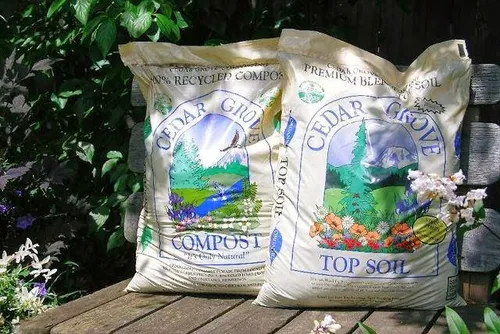
Cedar Grove Composting
3620 36th Pl NE, Everett, WA 98201
Cedar Grove Composting in Everett, WA specializes in food waste and composting services for restaurants and other commercial clients. They recycle large volumes of yard and food waste into compost annually and offer bulk soil, organics, and landscape materials available for delivery or retail purchase. Their service area includes the Puget Sound region, with options for shared services within a 2-mile radius. They also provide compostable packaging products for both commercial and residential use.
Understanding Washington's Organics Management Law (SB 1383)
The cornerstone of food waste recycling in Bothell is state law. SB 1383 establishes a framework to dramatically reduce the amount of organic material sent to landfills. For businesses, this translates into mandatory participation in organics collection services if they meet or exceed a specific weekly waste threshold. The law is being phased in, and as of 2024/2025, it applies to businesses generating 4 cubic yards or more of combined food and yard waste per week. Bothell is located within a designated Business Organics Management Area (BOMA), meaning these rules are actively enforced for eligible commercial entities. The law focuses on capturing valuable organic material for composting or anaerobic digestion, turning what was once trash into a resource.
Eligibility and Requirements for Bothell Restaurants
Determining your restaurant's eligibility is the first critical step. The 4-cubic-yard threshold is a key metric. To visualize, one cubic yard is roughly the volume of a standard washing machine. If your weekly output of food scraps, spoiled inventory, prep waste, and soiled paper products approaches this volume, your establishment is likely required to enroll in a program. It's important to conduct a waste audit or consult with your hauler to accurately assess your generation levels. Even if you are below the mandatory threshold, voluntarily participating in food scrap recycling can reduce your garbage disposal costs and enhance your sustainability profile. The primary requirement is to separate organic waste at the source-in your kitchen and dining areas-and place it into the designated container provided by your waste collection service.
Service Providers and Collection Options
In Bothell, commercial organic waste collection is typically handled by private waste haulers contracted by the city or directly by businesses. The two most common providers in the region are Republic Services and Waste Management. Your restaurant may already have a contract with one of these companies for trash and recycling. The next step is to contact them to add commercial organics collection to your service. These providers offer tailored programs for food service establishments, which include:
- Container Provision: Supplying appropriate bins, carts, or dumpsters.
- Scheduled Pickups: Establishing a collection frequency (e.g., weekly, twice-weekly) based on your volume.
- Service Management: Handling billing and customer service for the organics stream.
You must contact your specific hauler to get the exact details, sign up, and receive your containers.
Container Types and Pickup Schedules
Your hauler will determine the most suitable container for your operation based on the volume of organic waste you produce. Common options include:
- 64-Gallon Wheeled Carts: Often colored green or brown, these are suitable for smaller restaurants or those with limited space.
- Larger Dumpsters or Roll-Off Bins: Used by high-volume establishments like large restaurants, hotels, or institutional cafeterias.
The pickup schedule is directly tied to your container size and waste generation rate. A restaurant with a 2-yard dumpster might require pickup three times a week, while one with a 64-gallon cart might only need weekly service. Your hauler will work with you to set a schedule that prevents overflow and odor issues while ensuring compliance. All these logistics-container type, size, and pickup frequency-are the main variables that will influence your monthly service cost.
Critical Contamination Guidelines for Restaurants
Perhaps the most important operational aspect of a successful organics program is preventing contamination. Contaminated loads can be rejected at the composting facility, resulting in disposal fees and potential penalties for your business. Educating every member of your staff is crucial.
What CAN go in the organics bin (Generally Accepted):
- All food scraps (cooked and uncooked)
- Plate scrapings and leftovers
- Meat, bones, and dairy products
- Fruits, vegetables, and bread
- Coffee grounds and filters
- Tea bags (staples removed)
- Soiled, non-recyclable paper like napkins, paper towels, and uncoated paper plates
What MUST STAY OUT of the organics bin (Common Contaminants):
- Plastic bags of any kind, including those labeled "compostable" or "biodegradable" (facility rules often prohibit them)
- Glass, metal, or plastic packaging
- Styrofoam
- Liquids, oils, and grease
- Rubber bands, twist ties, or utensils
Clear signage at collection points and consistent training are your best tools for maintaining a clean, valuable stream of compostable material.
Find the perfect composting & food waste companies for your needs
Get personalized recommendations and expert advice
Estimating Participation Costs
The cost for commercial food waste recycling in Bothell is not a fixed fee; it varies based on your specific service setup. The primary factors influencing price are:
- Container Size: A larger dumpster costs more than a smaller cart.
- Pickup Frequency: More frequent collections increase the cost.
- Hauler and Contract Terms: Rates can differ between service providers.
While adding an organics service represents a new line item, many restaurants find that their overall waste management costs rebalance. By diverting heavy, wet food waste from the garbage stream, you may be able to reduce the size or frequency of your trash service, potentially offsetting some of the new cost. The only way to get an accurate estimate is to contact your waste hauler directly for a quote tailored to your restaurant's needs 1.
Steps to Implement a Program in Your Restaurant
- Identify Your Current Hauler: Check your existing waste removal invoice or contract. It will likely be Republic Services or Waste Management.
- Contact Their Commercial Department: Call or email your hauler and request information about their "Commercial Organics" or "Food Waste Recycling" program for restaurants.
- Request a Assessment: Ask for a representative to assess your waste stream and recommend a container size and pickup schedule.
- Get a Detailed Quote: Obtain a clear breakdown of monthly costs for the organics service.
- Train Your Team: Once you enroll, train all staff on what goes in the new bin. Use posters and bin labels.
- Monitor and Adjust: Check the bins periodically for contamination and adjust your training or container size as needed.
Benefits Beyond Compliance
Adopting a robust organics diversion program offers advantages that extend beyond meeting state law:
- Environmental Leadership: Demonstrates a commitment to sustainability that resonates with customers and the community.
- Waste Audits: The process of setting up organics collection often leads to greater overall waste awareness, helping identify areas for reduction and savings.
- Supporting the Local Economy: The compost created from collected organics is used to enrich soils in local agriculture and landscaping.
By taking proactive steps to manage food waste, Bothell restaurants play a vital role in building a circular economy and protecting the environment.
Frequently asked questions
Sources
Footnotes
-
Washington's organics management law ramps up business requirements for 2025 - https://ecology.wa.gov/blog/november-2024/nov-19-washington-s-organics-management-law-ramps-up-business-requirements-for-2025 ↩