Find the Best Composting & Food Waste Companies for Your Business
No obligation • Fast responses • Nationwide coverage

Why you can trust Restaurant Waste Disposal
Restaurant Waste Disposal is a leading U.S. resource for comparing restaurant composting, food-waste recycling, grease trap cleaning, and used cooking oil collection services. Our editorial team researches providers, checks credentials, and organizes unbiased information so operators can make informed decisions. Companies cannot pay to change ratings or placement.
Search providers near you
Top Composting & Food Waste Companies in Puyallup, Washington Ranked
For restaurant owners and food service operators in Puyallup, managing organic waste is no longer just an environmental consideration-it's a legal requirement. Washington State's Organics Management Law mandates that businesses, including restaurants, separate food and yard waste for recycling if they generate a specific volume per week. This law is part of a broader effort to reduce landfill waste and greenhouse gas emissions, turning potential trash into valuable compost. In Puyallup, this state mandate is implemented through local regulations, requiring weekly waste service for all businesses, with organics collection becoming a mandatory component for those meeting the state's thresholds. Navigating these requirements involves understanding your obligations, selecting the right service setup, and implementing effective kitchen practices to ensure compliance and sustainability.
LRI LANDFILL
17925 Meridian E, Puyallup, WA 98375
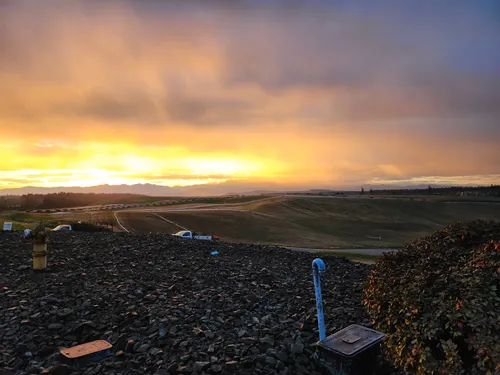
LRI LANDFILL, operating under Pierce County Recycling, Composting, & Disposal LLC, provides solid waste disposal and recycling services in Puyallup, WA. The facility focuses on food waste and composting solutions for restaurants and other commercial customers within Pierce County. They offer commercial compost sales and manage multiple transfer stations across the region. LRI emphasizes environmentally sound waste management practices and collaborates with local businesses and regulatory agencies to support sustainable disposal methods.
Bokashicycle WA LLC
7506 69th Ave SW, Lakewood, WA 98498
Bokashicycle WA LLC is based in Lakewood, WA, and specializes in food waste and composting solutions for restaurants and other industries. They use a patented bokashi fermentation process that is scientifically backed to convert organic waste into valuable soil nutrients. This anaerobic fermentation method reduces odors and greenhouse gas emissions while producing products like AgrowTeaTM and AgrowPulpTM that improve soil and plant health. Bokashicycle WA LLC supports a variety of sectors including residential, agriculture, pet waste, and the marijuana industry with sustainable organic waste management.
LRI - SALES ROAD COMPOSTING/RECYCLING
10308 Sales Rd S, Tacoma, WA 98499
LRI - SALES ROAD COMPOSTING/RECYCLING operates in Lakewood, WA, providing food waste and composting services primarily for restaurants and other commercial clients. As part of Pierce County Recycling, Composting, & Disposal LLC, the business focuses on environmentally sound solid waste disposal and recycling solutions within Pierce County. They work closely with local businesses, contractors, and regulatory agencies to manage food and yard waste effectively. The company also offers commercial compost sales and guidance on proper disposal of items such as batteries and appliances. Their services are available to residents and businesses within Pierce County.
Understanding Washington's Organics Law for Restaurants
The cornerstone of food waste recycling in Puyallup is Washington's Organics Management Law. This legislation is being phased in, significantly impacting how restaurants handle their food scraps and other compostable materials.
- Who is Affected: The law applies to businesses generating specific amounts of organic waste. As of January 1, 2024, businesses producing eight or more cubic yards of organic material per week within designated urban areas are required to separate this waste. The threshold expands on January 1, 2025, to include businesses generating four or more cubic yards per week. For a restaurant, this volume can accumulate quickly from food prep waste, spoiled inventory, and customer plate scraps.
- The Puyallup Mandate: Local city code aligns with this state law, making weekly solid waste collection mandatory for all businesses. If your restaurant meets or exceeds the state's volume threshold, organics collection becomes a required part of your waste service contract. This isn't an optional green program; it's a compliance issue for qualifying food service establishments.
- The Goal: The primary aim is to divert organic material from landfills, where it decomposes anaerobically and produces methane, a potent greenhouse gas. By recycling this material into compost, it can be used to enrich soil, closing the loop on the food cycle.
Service Providers and Container Logistics in Puyallup
In Puyallup, waste collection services are provided through a contracted franchise. For restaurants, this means working with a designated provider to set up compliant organics recycling.
- Primary Provider: D.M. Disposal is Puyallup's contracted solid waste provider for both residential and commercial accounts, meaning they are the primary entity responsible for organics collection for businesses in the city. Restaurants must contact D.M. Disposal directly to establish service, obtain containers, and receive a specific quote.
- Container Types: You will typically need a two-part system:
- Outdoor Collection Bins: These are larger green carts or dumpsters, similar in appearance to yard waste containers. The size (e.g., 1-cubic-yard cart, 2-cubic-yard dumpster) depends entirely on the volume of organic waste your restaurant generates weekly 1. 2. Kitchen Caddies: Small, lidded bins for use inside your kitchen and prep areas. Staff use these to collect food scraps during service before transferring them to the larger outdoor container. This makes the process efficient and helps maintain kitchen cleanliness.
- Collection Schedule: Organics pickup in Puyallup is typically scheduled on a weekly basis 2. Your specific pickup day for food waste will be coordinated with your existing garbage and recycling collection schedule by D.M. Disposal when you set up your service.
Critical Guidelines: What Goes In and What Stays Out
Proper sorting is the most crucial aspect of a successful food waste recycling program. Contamination-placing non-compostable items in the organics bin-can lead to entire loads being rejected, potential fees, and undermines the composting process. Here's a clear breakdown for your staff training.
YES - These items can go in your organics bin:
- All food scraps: This includes fruit and vegetable peels, plate waste, spoiled food, meat, bones, dairy products, eggs, and shells.
- Food-soiled paper: Paper napkins, paper towels, uncoated paper plates, and pizza boxes (even with some grease) are acceptable 3.
- Coffee grounds and filters.
- Yard waste: If your establishment has landscaping, grass clippings, leaves, and small branches can be included.
NO - These items contaminate the organics stream:
- Plastic bags: This is a major contaminant. Even bags labeled "compostable" or "biodegradable" are often not accepted in curbside programs like Puyallup's, as they require specific industrial composting conditions to break down 4 5.
- Styrofoam (polystyrene) of any kind.
- Metal, glass, or plastic packaging.
- Liquids or cooking oils. Used cooking oil requires a separate recycling stream.
- "Compostable" plastic utensils or serviceware unless explicitly approved by your hauler. When in doubt, leave it out.
Find the perfect composting & food waste companies for your needs
Get personalized recommendations and expert advice
Cost Considerations for Restaurant Food Waste Recycling
Implementing an organics recycling program involves service costs. For large generators meeting the state threshold, this is a mandatory addition to your operational expenses.
- Pricing Factors: Costs are not flat-rate and vary based on several factors specific to your restaurant: the size and number of outdoor containers needed, the frequency of pickup (weekly is standard), and the total volume of material collected 6.
- Cost Structure: You can expect organics collection to be an additional line item on your waste hauling bill. In some cases, because organics are heavier and require specialized processing, the cost per pickup might be different than standard trash or recycling. However, by diverting food waste, you may be able to reduce the size or frequency of your garbage service, potentially offsetting some of the new cost.
- Getting a Quote: The only way to get accurate pricing for your establishment is to contact D.M. Disposal directly. They will assess your needs based on your restaurant's size, type, and estimated waste output to provide a tailored quote. Investing in proper waste separation can also help you avoid contamination fees charged by haulers.
Implementing a Successful Program in Your Kitchen
Beyond signing a contract, success depends on internal processes. A well-run program reduces contamination, simplifies staff duties, and ensures compliance.
- Staff Training and Buy-in: Educate every team member, from dishwashers to managers, on what is and isn't compostable. Use clear signage with pictures above collection bins. Make training part of the onboarding process for new hires.
- Strategic Bin Placement: Place small kitchen caddies at every key prep station, near the dishwashing area, and in the server alley. Make it easier to compost than to throw something in the trash.
- Monitor and Adjust: Designate a staff member to periodically check the outdoor organics bin for contamination before pickup. Track your waste volumes to ensure you have the right container size-if it's consistently overflowing, you may need a larger one; if it's always half-empty, you might downsize and save money.
- Partner with Your Hauler: Maintain open communication with D.M. Disposal. They can provide additional resources, signage, and guidance tailored to the Puyallup program's specific requirements 7.
By proactively managing your restaurant's food waste through composting, you're not only complying with Washington state law but also contributing to a more sustainable local environment and potentially improving your bottom line through more efficient waste management.
Frequently asked questions
Sources
Footnotes
-
Food recycling - London Recycles - https://londonrecycles.co.uk/recycling-101/food-recycling/ ↩
-
Chapter 6.12 SOLID WASTE COLLECTION AND DISPOSAL* - https://www.codepublishing.com/WA/Puyallup/html/Puyallup06/Puyallup0612.html ↩
-
Food loss and waste - Wikipedia - https://en.wikipedia.org/wiki/Food_loss_and_waste ↩
-
How to compost right - King County, Washington - https://kingcounty.gov/en/dept/dnrp/waste-services/garbage-recycling-compost/services/food-yard-waste/how-to-compost ↩
-
Recycling 101 - What Is Recycling & What to Recycle | WM - https://www.wm.com/us/en/recycle-right/recycling-101 ↩
-
Washington's organics management law ramps up business requirements for 2025 - https://ecology.wa.gov/blog/november-2024/nov-19-washington-s-organics-management-law-ramps-up-business-requirements-for-2025 ↩
-
Garbage Service Information - Puyallup, WA - https://www.puyallupwa.gov/212/Garbage-Service-Information ↩