Find the Best Composting & Food Waste Companies for Your Business
No obligation • Fast responses • Nationwide coverage

Why you can trust Restaurant Waste Disposal
Restaurant Waste Disposal is a leading U.S. resource for comparing restaurant composting, food-waste recycling, grease trap cleaning, and used cooking oil collection services. Our editorial team researches providers, checks credentials, and organizes unbiased information so operators can make informed decisions. Companies cannot pay to change ratings or placement.
Search providers near you
Top Composting & Food Waste Companies in Everett, Washington Ranked
For restaurant owners and managers in Everett, managing organic waste is not just an environmental consideration-it's a state-mandated business requirement. Massachusetts' Commercial Organic Waste Ban requires any business, including restaurants, that generates a half-ton or more of food scraps per week to divert that material from the trash stream. While the City of Everett handles residential waste, commercial food waste diversion falls to individual businesses to arrange through private haulers. Navigating this mandate involves understanding your eligibility, selecting the right hauler and containers, and implementing effective back-of-house practices to ensure compliance and potentially reduce overall waste management costs.
Cedar Grove Composting
21902 76th Dr SE, Woodinville, WA 98072
Cedar Grove Composting is based in Bothell, WA, specializing in food waste and composting services for restaurants and other clients. They recycle large amounts of yard and food waste into compost annually, serving the Puget Sound region with delivery options and retail sales of bulk soil and landscape materials. The company also offers compostable packaging products for commercial and residential use. Delivery services include options for shared pickups within a two-mile radius, with additional blower and slinger truck services available through third parties.
Cedar Grove Composting
3620 36th Pl NE, Everett, WA 98201
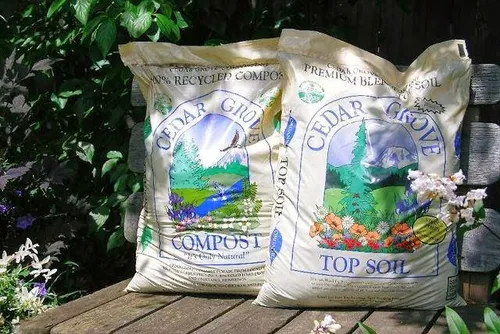
Cedar Grove Composting in Everett, WA specializes in food waste and composting services for restaurants and other commercial clients. They recycle large volumes of yard and food waste into compost annually and offer bulk soil, organics, and landscape materials available for delivery or retail purchase. Their service area includes the Puget Sound region, with options for shared services within a 2-mile radius. They also provide compostable packaging products for both commercial and residential use.
Understanding the Massachusetts Organic Waste Ban
The cornerstone of food waste management for Everett restaurants is the statewide Commercial Food Material Disposal Ban. Enforced by the Massachusetts Department of Environmental Protection (MassDEP), this regulation targets large generators of organic material. If your establishment produces 1,000 pounds (0.5 tons) or more of food waste per week, you are legally required to separate it for composting, animal feed, or anaerobic digestion. This isn't a suggestion or a local ordinance; it's a binding state law designed to reduce landfill use and greenhouse gas emissions.
Common sources of this waste in a restaurant setting include food prep scraps, spoiled inventory, plate waste, and even certified compostable food service ware. The first step for any restaurant is to conduct a waste audit or consult with a waste hauler to estimate weekly output. Falling under the half-ton threshold does not exempt a business from good practices, but it does mean the state mandate does not legally apply. However, many smaller establishments still choose to participate in organics recycling for its environmental benefits and potential to lower trash disposal costs.
Options for Collection and Hauling in Everett
Since Everett's municipal services are geared toward residents, restaurants must contract with private waste management companies for commercial organics collection1. This means you have the flexibility to shop for a service that fits your specific volume, schedule, and budget.
- Finding a Hauler: The state-sponsored program RecyclingWorks Massachusetts is an invaluable, free resource. They maintain a database of permitted haulers and processors that service the Everett area. Their experts can also provide guidance on setting up a successful program.
- Service Models: Haulers typically offer a range of services. You might receive dedicated wheeled carts for smaller volumes or a dumpster for larger operations. Pickup frequency is tailored to your needs-often more frequent than standard trash pickup to control odors and pests.
- End Destination: The food waste collected from your restaurant is taken to a permitted facility. In Massachusetts, this could be a commercial composting operation, an anaerobic digester that creates renewable energy, or a farm for animal feed. Your hauler can specify where your material is processed.
Setting Up Your Kitchen and Storage Areas
A successful food waste diversion program hinges on an efficient and sanitary setup within your restaurant. Contamination (mixing trash with compostables) is the biggest challenge, so clear systems are essential.
Inside the Kitchen: Start with strategically placed, clearly labeled collection bins at all major prep stations and dishwashing areas. These should be small, leak-proof, and easy to empty frequently-think a 2- to 5-gallon container with a secure lid. Lining these with certified compostable bags can simplify clean-up, but it's crucial to avoid standard plastic bags, as they are a major contaminant. Staff training is critical; everyone should know what goes in the organics bin (food scraps, coffee grounds, compostable paper) and what stays out (plastic, glass, metal, rubber bands).
Outdoor Storage: The containers provided by your hauler for curbside pickup must be properly maintained. State and local health codes require that outdoor containers have tight-fitting lids and, for those storing wet food waste, functional drain plugs2. They should be stored on a durable, cleanable surface like concrete or asphalt, away from direct building entrances to deter pests. Regularly cleaning the exterior and interior of these bins is a best practice for odor and pest control.
Find the perfect composting & food waste companies for your needs
Get personalized recommendations and expert advice
Cost Considerations and Potential Savings
A primary concern for any restaurant is the bottom line. Engaging a private hauler for organics recycling comes with a fee, which is highly variable. Costs depend on your waste volume, pickup frequency, distance to processing facilities, and the current market. It's important to get detailed quotes from several providers listed through resources like RecyclingWorks MA3 4.
However, this new line item should be viewed alongside your existing trash disposal costs. By diverting heavy, wet food waste into a separate stream, you may significantly reduce the volume and weight of your regular trash. This can allow you to downsize your trash dumpster or reduce pickup frequency, leading to direct savings on your trash bill5. In many cases, these savings can partially or fully offset the cost of the composting service. Furthermore, compliance avoids potential fines from the state for violating the waste ban.
Best Practices for Compliance and Success
Beyond the basics of signing up with a hauler, excellence in food waste management involves ongoing effort and refinement.
- Prevention is Key: The most cost-effective and sustainable strategy is to generate less waste in the first place. Careful inventory management, creative menu planning to use trimmings (e.g., stocks, sauces), and accurate portioning can reduce pre-consumer waste.
- Train and Communicate: Make organics recycling part of new employee onboarding. Use clear, multi-lingual signage above bins. Hold brief refresher meetings to address contamination issues when they arise.
- Monitor and Adjust: Regularly check your outdoor containers for contamination before pickup. Track your waste volumes over time; if they decrease, you may be able to adjust your service level and save money. If you're nearing the 1,000-pound weekly threshold, proactive implementation of a program ensures seamless compliance.
- Partner with Your Hauler: Maintain open communication with your service provider. They can offer valuable advice on container sizes, liner compatibility, and troubleshooting common issues like odor.
Adopting a robust organics diversion program positions your Everett restaurant as a responsible community business, in compliance with state law, and potentially operating more efficiently. The initial investment in time and system setup pays dividends in environmental stewardship, regulatory compliance, and long-term operational resilience.
Frequently asked questions
Sources
Footnotes
-
City of Everett, MA Collection and Disposal of Solid Waste - https://ecode360.com/39554042 ↩
-
Outdoor Garbage Containers Must Be Equipped With Proper Lids - https://aaafoodhandler.com/garbage-containers-and-food-safety-for-food-handlers/ ↩
-
TIPS FOR RESTAURANTS - RecyclingWorks Massachusetts - https://recyclingworksma.com/wp-content/uploads/2018/07/Restaurant-Tip-Sheet.pdf ↩
-
Restaurants - RecyclingWorks Massachusetts - https://recyclingworksma.com/how-to/business-sector-guidance/restaurants/ ↩
-
Commercial Food Material Disposal Ban | Mass.gov - https://www.mass.gov/guides/commercial-food-material-disposal-ban ↩