
Find the Best Composting & Food Waste Companies for Your Business
No obligation • Fast responses • Nationwide coverage

Why you can trust Restaurant Waste Disposal
Restaurant Waste Disposal is a leading U.S. resource for comparing restaurant composting, food-waste recycling, grease trap cleaning, and used cooking oil collection services. Our editorial team researches providers, checks credentials, and organizes unbiased information so operators can make informed decisions. Companies cannot pay to change ratings or placement.
Search providers near you
Best Composting & Food Waste Companies in Washington Ranked
For restaurant owners and food service operators in Washington, managing organic waste is no longer just an environmental consideration-it's a legal requirement. The state's Organics Management Law establishes a clear framework for businesses to divert food scraps, soiled paper, and yard waste from landfills, with phased mandates taking effect in 2025 and 2026. This shift presents both a compliance obligation and an opportunity to reduce waste disposal costs, contribute to a circular economy, and enhance your establishment's sustainability profile. Understanding the specific requirements, available service options, and implementation steps is essential for seamless adherence to the new regulations.
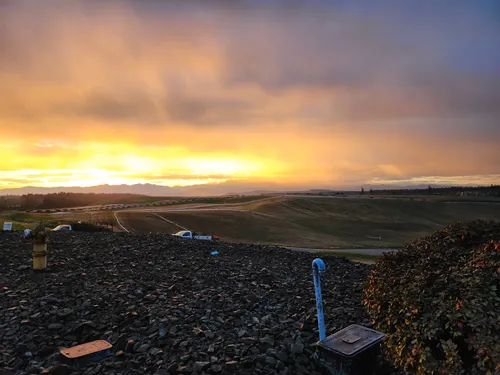
LRI LANDFILL
17925 Meridian E, Puyallup, WA 98375
LRI LANDFILL, operating under Pierce County Recycling, Composting, & Disposal LLC, provides solid waste disposal and recycling services in Puyallup, WA. The facility focuses on food waste and composting solutions for restaurants and other commercial customers within Pierce County. They offer commercial compost sales and manage multiple transfer stations across the region. LRI emphasizes environmentally sound waste management practices and collaborates with local businesses and regulatory agencies to support sustainable disposal methods.
Cedar Grove Composting
21902 76th Dr SE, Woodinville, WA 98072
Cedar Grove Composting is based in Bothell, WA, specializing in food waste and composting services for restaurants and other clients. They recycle large amounts of yard and food waste into compost annually, serving the Puget Sound region with delivery options and retail sales of bulk soil and landscape materials. The company also offers compostable packaging products for commercial and residential use. Delivery services include options for shared pickups within a two-mile radius, with additional blower and slinger truck services available through third parties.
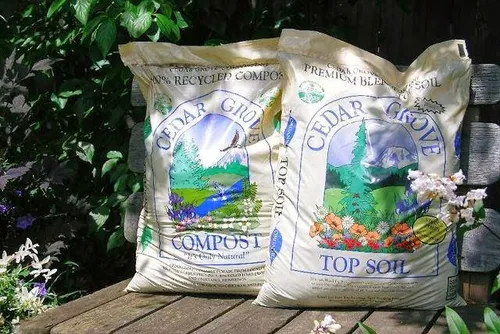
Cedar Grove Composting
3620 36th Pl NE, Everett, WA 98201
Cedar Grove Composting in Everett, WA specializes in food waste and composting services for restaurants and other commercial clients. They recycle large volumes of yard and food waste into compost annually and offer bulk soil, organics, and landscape materials available for delivery or retail purchase. Their service area includes the Puget Sound region, with options for shared services within a 2-mile radius. They also provide compostable packaging products for both commercial and residential use.
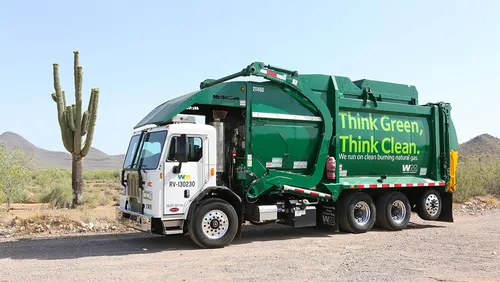
Bokashicycle WA LLC
7506 69th Ave SW, Lakewood, WA 98498
Bokashicycle WA LLC is based in Lakewood, WA, and specializes in food waste and composting solutions for restaurants and other industries. They use a patented bokashi fermentation process that is scientifically backed to convert organic waste into valuable soil nutrients. This anaerobic fermentation method reduces odors and greenhouse gas emissions while producing products like AgrowTeaTM and AgrowPulpTM that improve soil and plant health. Bokashicycle WA LLC supports a variety of sectors including residential, agriculture, pet waste, and the marijuana industry with sustainable organic waste management.
LRI - SALES ROAD COMPOSTING/RECYCLING
10308 Sales Rd S, Tacoma, WA 98499
LRI - SALES ROAD COMPOSTING/RECYCLING operates in Lakewood, WA, providing food waste and composting services primarily for restaurants and other commercial clients. As part of Pierce County Recycling, Composting, & Disposal LLC, the business focuses on environmentally sound solid waste disposal and recycling solutions within Pierce County. They work closely with local businesses, contractors, and regulatory agencies to manage food and yard waste effectively. The company also offers commercial compost sales and guidance on proper disposal of items such as batteries and appliances. Their services are available to residents and businesses within Pierce County.
Understanding Washington's Organics Management Law
Washington's landmark legislation is designed to drastically reduce the volume of organic material entering landfills. For restaurants, this translates into direct mandates based on the volume of waste generated.
Key Compliance Deadlines and Thresholds: The law phases in requirements for businesses located within designated Business Organics Management Areas (BOMAs). The compliance threshold is based on the amount of organic material generated per week.
- Starting January 1, 2025: Businesses generating 4 cubic yards or more per week (approximately eight standard 96-gallon carts) of organic material must manage that waste separately from the garbage stream.
- Starting January 1, 2026: The threshold drops significantly, requiring businesses generating 96 gallons or more per week (about two standard carts) to comply 1.
What Must Be Separated? Restaurants are required to separate a broad range of materials, often referred to as "food and yard waste" or "organics." This includes:
- All food scraps (vegetable trimmings, meat, bones, dairy, coffee grounds, etc.)
- Food-soiled paper products (napkins, paper towels, uncoated paper plates, pizza boxes)
- Compostable food service ware that is certified (e.g., BPI-certified)
- Yard waste and floral trimmings
The ultimate goal of the law is a statewide ban on disposing of these organic materials in landfills, making source separation a critical long-term practice for the food service industry.
Service Options for Restaurant Organic Waste
Compliance doesn't mean a one-size-fits-all approach. Washington restaurants have several pathways to manage their organic waste stream effectively.
Curbside Collection Service: This is the most common method. Businesses can sign up with their current garbage hauler or a dedicated organics hauler for regular pickup. Service typically involves the provision of specific carts or bins (often green) for organics. This option offers convenience and reliability, integrating waste management into your existing operational routine.
On-Site Composting: For establishments with sufficient outdoor space and operational capacity, composting materials on-site is a viable option. This method closes the loop most directly, turning waste into a usable soil amendment for landscaping. It requires careful management to avoid odors and pests but can offer the greatest long-term savings and environmental benefit.
Self-Hauling: Businesses may choose to transport their separated organics directly to an approved transfer station or composting facility. This option may be cost-effective for some, particularly those located near a facility, but it requires dedicated staff time and vehicle resources 2.
Food Donation as a Diversion Strategy: A highly impactful method for managing surplus edible food is donation. Partnering with local food banks or rescue organizations not only diverts waste from the organics stream but also serves the community. Donating food can be a key strategy in meeting overall waste diversion targets and is strongly encouraged by the law.
Find the perfect composting & food waste companies for your needs
Get personalized recommendations and expert advice
A Step-by-Step Guide to Implementation
Transitioning to an organics diversion program requires planning. Following a structured process will ensure a smooth rollout for your staff and operations.
- Contact Your Hauler: The first step is to reach out to your current waste collection provider. Inquire about their organics collection services, including available cart sizes, pickup frequencies, and associated costs. If your hauler does not offer the service, your city or county waste management department can provide a list of licensed providers in your area.
- Set Up Your Collection System: Once you have a service, you'll need to set up internal collection points. Place clearly labeled organics bins (color-coded, often green) in key areas: near food preparation stations, dishwashing areas, and in dining spaces for busing. Ensure these bins are paired with corresponding garbage and recycling bins to make correct sorting intuitive for staff and customers.
- Educate and Train Your Team: Comprehensive staff training is the most critical factor for success. Conduct training sessions to explain what goes in the organics bin (e.g., all food scraps, soiled napkins) and what does not (e.g., plastic, glass, liquids). Use clear signage with pictures above collection stations. Ongoing communication and refresher training help maintain high diversion rates and avoid contamination of the organics stream 3 4 5.
Navigating Costs and Finding Resources
The financial aspect of organics diversion varies, but understanding the structure can help in budgeting.
Cost Considerations: Service fees are not uniform and depend on several factors: your geographic location, the chosen hauler, the volume of organics you generate, and the frequency of pickup 6 7. Typically, you will pay a separate fee for organics collection. However, by diverting a significant portion of your waste stream, you may be able to reduce the size or frequency of your garbage service, potentially offsetting some of the new cost. Many haulers offer tiered or volume-based pricing 8.
Finding Support and Incentives: Washington state and local governments provide resources to help businesses comply.
- Department of Ecology: The Washington State Department of Ecology's website is the primary hub for information on the Organics Management Law, including detailed guidance documents and model ordinances 9.
- Local Government Websites: Check your city or county's solid waste department website. They often maintain lists of local service providers, specific ordinance details, and may offer technical assistance or workshops.
- Potential Grants: Explore opportunities for financial assistance. Periodically, grants or rebates may be available from state or local programs to help offset the initial costs of setting up an organics diversion program, such as purchasing bins or implementing on-site composting systems 10 11.
Proactively managing your restaurant's food waste in Washington is a strategic move. By planning for the 2025 mandates now, you can ensure compliance, potentially manage operational costs, and position your business as a leader in environmental stewardship within your community.
Frequently asked questions
Sources
Footnotes
-
Model Ordinances for Organic Materials Management - https://apps.ecology.wa.gov/separ/Main/SEPA/Document/DocumentOpenHandler.ashx?DocumentId=193125 ↩
-
Commercial organics diversion - King County, Washington - https://kingcounty.gov/en/dept/dnrp/waste-services/garbage-recycling-compost/services/food-yard-waste/commercial-organics-diversion ↩
-
Managing Food Scraps in Restaurants - ezview.wa.gov - https://www.ezview.wa.gov/Portals/_1962/Documents/use-food/Managing%20Food%20Scraps%20in%20Restaurants.pdf ↩
-
Food Service Requirements | Seattle.gov - https://www.seattle.gov/documents/Departments/SPU/Services/Recycling/packaging/Food-Service-Packaging-Business-Requirements_English.pdf ↩
-
Green dining: Mastering restaurant composting - from waste to ... - http://www.ncwbusiness.com/stories/green-dining-mastering-restaurant-composting-from-waste-to-resource,108141 ↩
-
Washington's organics management law ramps up business ... - https://ecology.wa.gov/blog/november-2024/nov-19-washington-s-organics-management-law-ramps-up-business-requirements-for-2025 ↩
-
Washington State Lawmakers Pass New Food Waste Legislation | BioCycle - https://www.biocycle.net/washington-food-waste-legislation/ ↩
-
Organics Management Law - Washington State Department of ... - https://ecology.wa.gov/waste-toxics/reducing-recycling-waste/organics-and-food-waste/2022-organics-management-law ↩
-
Organics management for businesses - Washington State ... - https://ecology.wa.gov/waste-toxics/reducing-recycling-waste/organics-and-food-waste/2022-organics-management-law/organics-management-for-businesses ↩
-
Washington Food Waste Policy - https://policyfinder.refed.org/washington/ ↩
-
Composting - Washington State Department of Ecology - https://ecology.wa.gov/waste-toxics/reducing-recycling-waste/organics-and-food-waste/managing-organics-compost ↩