Find the Best Composting & Food Waste Companies for Your Business
No obligation • Fast responses • Nationwide coverage

Why you can trust Restaurant Waste Disposal
Restaurant Waste Disposal is a leading U.S. resource for comparing restaurant composting, food-waste recycling, grease trap cleaning, and used cooking oil collection services. Our editorial team researches providers, checks credentials, and organizes unbiased information so operators can make informed decisions. Companies cannot pay to change ratings or placement.
Search providers near you
Top Composting & Food Waste Companies in Shoreline, Washington Ranked
For restaurants, cafes, and other food service businesses in Shoreline, managing organic waste is no longer just an environmental best practice-it's a legal requirement. Washington State's landmark organics management law, SB 1383, mandates that businesses generating significant food and yard waste arrange for organics recycling services. The City of Shoreline has partnered with Recology to provide these essential services and has established a supportive framework to help local businesses comply. Beyond compliance, effective food scrap recycling and waste reduction can streamline back-of-house operations, reduce overall waste disposal costs, and demonstrate a strong commitment to sustainability to your customers. Understanding the local rules, available resources, and common pitfalls is key to a successful and cost-effective program.
Cedar Grove Composting
21902 76th Dr SE, Woodinville, WA 98072
Cedar Grove Composting is based in Bothell, WA, specializing in food waste and composting services for restaurants and other clients. They recycle large amounts of yard and food waste into compost annually, serving the Puget Sound region with delivery options and retail sales of bulk soil and landscape materials. The company also offers compostable packaging products for commercial and residential use. Delivery services include options for shared pickups within a two-mile radius, with additional blower and slinger truck services available through third parties.
Cedar Grove Composting
3620 36th Pl NE, Everett, WA 98201
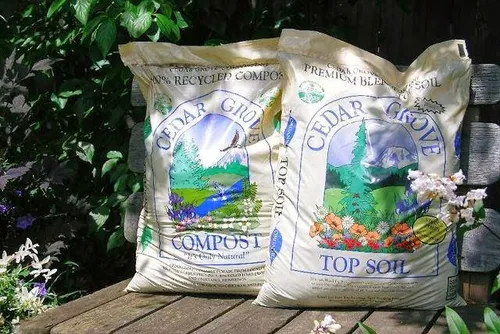
Cedar Grove Composting in Everett, WA specializes in food waste and composting services for restaurants and other commercial clients. They recycle large volumes of yard and food waste into compost annually and offer bulk soil, organics, and landscape materials available for delivery or retail purchase. Their service area includes the Puget Sound region, with options for shared services within a 2-mile radius. They also provide compostable packaging products for both commercial and residential use.
Understanding Shoreline's Commercial Organics Mandate
The push for commercial food waste diversion in Shoreline is driven by both city ordinances and state law. At the city level, Shoreline requires all food-serving businesses to use reusable items for dine-in service and compostable items for takeout, explicitly banning plastic and Styrofoam ware. This "front-of-house" rule works in tandem with "back-of-house" requirements for recycling organic materials like food scraps and soiled paper.
The broader mandate comes from Washington's SB 1383, which aims to drastically reduce organic waste in landfills statewide 1. For businesses, this means if you generate a certain amount of organic waste, you are legally required to subscribe to a curbside organics collection service. The requirements are scaling up, making it imperative for food service establishments of all sizes to evaluate their waste streams and set up compliant systems 1 2.
Key Program Components for Shoreline Businesses
Shoreline has structured its commercial organics program around a few core components to facilitate compliance.
Service Provider: Recology is the primary hauler for the City of Shoreline's commercial organics recycling program. They provide the containers, scheduled pickups, and processing for collected food scraps and compostable materials.
Container Requirements: Businesses need commercial-sized carts or bins specifically for organics, sized according to their weekly food waste volume. A waste audit, often available through the city's resources, can help determine the right container size to avoid overpaying for capacity you don't need or under-sizing and causing overflow issues.
The Business Compost Incentive Program: To jumpstart participation, the City of Shoreline launched a valuable incentive program. For eligible restaurants and food businesses, this program offers free weekly compost service through Recology, along with free back-of-house supplies and training. It's important to note this program is offered on a first-come, first-served basis and is currently scheduled to end on December 31, 2024.
What Can and Cannot Go in the Commercial Organics Bin
Proper sorting is critical to the success of organics recycling. Contaminated loads can be rejected, lead to fees, and undermine the composting process.
Accepted Materials (Clean Food Scraps & Compostables):
- All food scraps (fruits, vegetables, meat, bones, dairy, bread, etc.)
- Coffee grounds and filters
- Tea bags (staples removed)
- Soiled, uncoated paper products (napkins, paper towels, uncoated paper plates)
- Compostable serviceware that meets ASTM standards (must be certified compostable)
Strictly Prohibited Contaminants: Absolutely NO plastic bags, plastic containers, coated paper plates or cups, milk or juice cartons, Styrofoam, metal, foil, glass, pet litter, diapers, soil, rocks, treated wood, or hazardous waste. These items do not break down in the composting process and can ruin entire batches of compost, leading to potential fees from your hauler for extra handling and removal.
Find the perfect composting & food waste companies for your needs
Get personalized recommendations and expert advice
Navigating Costs and Avoiding Fees
Financial planning is a major consideration when setting up organics recycling.
During the Incentive Period: While the Business Compost Incentive Program is active, the cost for the weekly organics service and starter supplies is covered by the city for eligible participants.
Post-Incentive & Standard Pricing: After the incentive period ends, businesses will pay for organics service based on their chosen bin size and pickup frequency. A common strategy to offset this new cost is to downsize your garbage service. By diverting food scraps and compostables, your volume of regular trash often decreases significantly, allowing you to switch to a smaller, less expensive garbage cart.
Contamination Fees: The most avoidable cost is the contamination fee. If your organics cart repeatedly contains prohibited items like plastic or glass, Recology may charge a fee for the extra labor required to remove them or for processing a contaminated load 3. Consistent, proper sorting by your staff is the best defense against these fees.
Steps to Implement a Compliant System
- Conduct a Waste Audit: Assess your current waste stream to understand how much organic material you generate. The City of Shoreline's waste reduction team can be a resource for this.
- Contact Recology: Reach out to the city's partner hauler to discuss service options, container sizes, and pickup schedules tailored to your business's needs 4.
- Enroll in the Incentive Program: If eligible and spaces are available, enroll in the Business Compost Incentive Program before it ends to secure free service and supplies 5 6.
- Train Your Team: Educate every staff member, from dishwashers to servers, on what goes in the organics bin versus recycling or trash. Use the free signage and training materials provided by the city program.
- Set Up Stations: Place clearly labeled collection bins in key areas: prep kitchens, dishwashing stations, and behind service counters. Make sorting intuitive and convenient.
The Broader Impact of Food Waste Diversion
Participating in Shoreline's organics recycling program extends benefits beyond your business's walls. Diverting food scraps from landfills reduces the production of methane, a potent greenhouse gas. The compost created from collected materials is used to enrich soil in local parks, gardens, and farms, closing the nutrient loop and supporting local agriculture 7. For your business, it's a tangible step toward zero-waste goals, enhancing your brand's reputation as an environmentally responsible member of the Shoreline community 8.
Frequently asked questions
Sources
Footnotes
-
Washington's organics management law ramps up business requirements for 2025 - https://ecology.wa.gov/blog/november-2024/nov-19-washington-s-organics-management-law-ramps-up-business-requirements-for-2025 ↩ ↩2
-
News | City of Shoreline - https://www.shorelinewa.gov/Home/Components/News/News/5126/ ↩
-
city of shoreline, washington - CITY COUNCIL AGENDA ITEM - http://cosweb.ci.shoreline.wa.us/uploads/attachments/cck/council/staffreports/2019/staffreport060319-8a.pdf ↩
-
Garbage & Recycling Service | City of Shoreline - https://www.shorelinewa.gov/services/environmental-services/garbage-recycling ↩
-
News | City of Shoreline - https://www.shorelinewa.gov/Home/Components/News/News/4983/ ↩
-
Business Waste Reduction | City of Shoreline - https://www.shorelinewa.gov/our-city/environment/sustainable-shoreline/materials-food-waste/business-compost-incentive-program ↩
-
Composting - Washington State Department of Ecology - https://ecology.wa.gov/waste-toxics/reducing-recycling-waste/organics-and-food-waste/managing-organics-compost ↩
-
Zero Waste | City of Shoreline - https://www.shorelinewa.gov/our-city/environment/sustainable-shoreline/materials-food-waste ↩