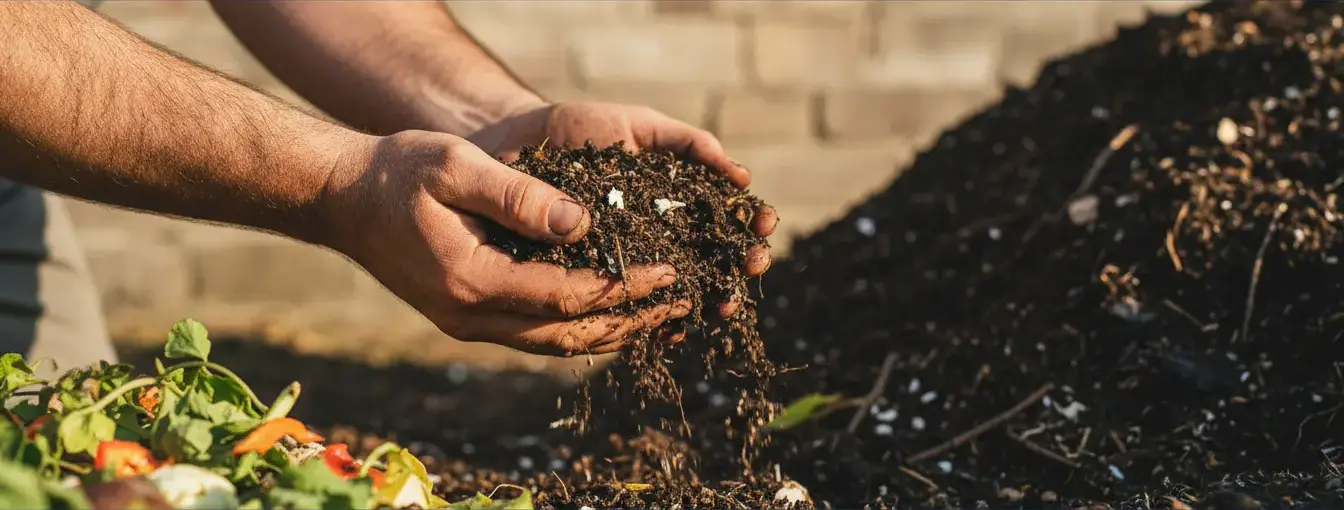
Find the Best Composting & Food Waste Companies for Your Business
No obligation • Fast responses • Nationwide coverage

Why you can trust Restaurant Waste Disposal
Restaurant Waste Disposal is a leading U.S. resource for comparing restaurant composting, food-waste recycling, grease trap cleaning, and used cooking oil collection services. Our editorial team researches providers, checks credentials, and organizes unbiased information so operators can make informed decisions. Companies cannot pay to change ratings or placement.
Search providers near you
Top Composting & Food Waste Companies in Renton, Washington Ranked
For restaurants and food service businesses in Renton, managing organic waste is no longer just an environmental best practice-it's a legal requirement. Washington State's Organics Management Law mandates that businesses, including all restaurants, separate their food scraps and other compostable materials from the general trash stream. The City of Renton has partnered with service providers to help commercial entities comply, offering structured programs for organics collection. This shift is designed to significantly reduce the volume of material sent to landfills, turning waste into a resource for compost and energy. Understanding the local rules, available services, and proper sorting techniques is essential for seamless compliance and contributing to Renton's sustainability goals.
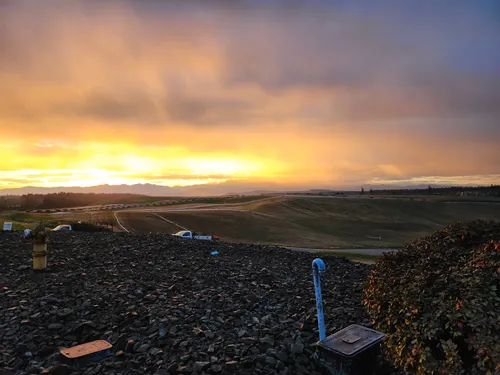
LRI LANDFILL
17925 Meridian E, Puyallup, WA 98375
LRI LANDFILL, operating under Pierce County Recycling, Composting, & Disposal LLC, provides solid waste disposal and recycling services in Puyallup, WA. The facility focuses on food waste and composting solutions for restaurants and other commercial customers within Pierce County. They offer commercial compost sales and manage multiple transfer stations across the region. LRI emphasizes environmentally sound waste management practices and collaborates with local businesses and regulatory agencies to support sustainable disposal methods.
Cedar Grove Composting
21902 76th Dr SE, Woodinville, WA 98072
Cedar Grove Composting is based in Bothell, WA, specializing in food waste and composting services for restaurants and other clients. They recycle large amounts of yard and food waste into compost annually, serving the Puget Sound region with delivery options and retail sales of bulk soil and landscape materials. The company also offers compostable packaging products for commercial and residential use. Delivery services include options for shared pickups within a two-mile radius, with additional blower and slinger truck services available through third parties.
Bokashicycle WA LLC
7506 69th Ave SW, Lakewood, WA 98498
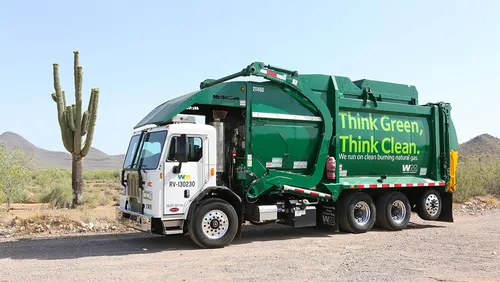
Bokashicycle WA LLC is based in Lakewood, WA, and specializes in food waste and composting solutions for restaurants and other industries. They use a patented bokashi fermentation process that is scientifically backed to convert organic waste into valuable soil nutrients. This anaerobic fermentation method reduces odors and greenhouse gas emissions while producing products like AgrowTeaTM and AgrowPulpTM that improve soil and plant health. Bokashicycle WA LLC supports a variety of sectors including residential, agriculture, pet waste, and the marijuana industry with sustainable organic waste management.
LRI - SALES ROAD COMPOSTING/RECYCLING
10308 Sales Rd S, Tacoma, WA 98499
LRI - SALES ROAD COMPOSTING/RECYCLING operates in Lakewood, WA, providing food waste and composting services primarily for restaurants and other commercial clients. As part of Pierce County Recycling, Composting, & Disposal LLC, the business focuses on environmentally sound solid waste disposal and recycling solutions within Pierce County. They work closely with local businesses, contractors, and regulatory agencies to manage food and yard waste effectively. The company also offers commercial compost sales and guidance on proper disposal of items such as batteries and appliances. Their services are available to residents and businesses within Pierce County.
Understanding Washington's Organics Management Law
The driving force behind Renton's commercial food waste recycling programs is state legislation. The law establishes phased thresholds for mandatory organics separation. As of 2024, businesses generating eight cubic yards or more of organic waste per week were required to subscribe to a collection service 1. A critical deadline is approaching in 2026, when the requirement expands to include any business producing 96 gallons (approximately one standard cart) or more of organic waste per week 2. This means virtually every restaurant in Renton will soon be obligated to participate. The law explicitly includes food scraps, food-soiled paper, and yard waste in its definition of organics. Compliance is not optional; property owners are responsible for providing appropriate containers, and tenants (like restaurant operators) are responsible for proper separation and use of the service.
Renton's Commercial Organics Collection Services
The City of Renton has designated Republic Services as its primary solid waste and organics collection partner for commercial customers. This partnership provides a streamlined path for businesses to meet the state mandate.
Republic Services offers a range of container options to fit different business sizes and waste volumes:
- Standard Carts: Available in sizes like 20, 35, 64, and 96 gallons for weekly collection.
- Detachable Containers (Dumpsters): Larger containers (e.g., 2, 3, 4, 6, and 8 cubic yards) for businesses with higher volumes of organic waste, recycling, or garbage.
- Service Flexibility: While organics are typically collected weekly, the frequency for garbage and recycling can be tailored (e.g., weekly, semi-weekly) based on need, helping to manage costs 3.
For establishments with smaller-scale or primarily food-scrap waste, an alternative service called GEME is also promoted within the city. GEME provides a different model, focusing on food waste only. They supply compact countertop or under-counter units and reusable collection bins, with pickups scheduled via a mobile app. This can be an ideal solution for cafes, small eateries, or businesses looking to manage prep waste separately before scaling up to full cart service.
Cost Considerations for Food Waste Recycling
Investing in organics diversion involves service fees, but it can also potentially reduce garbage disposal costs. Rates for Republic Services' commercial collection are based on container size and pickup frequency.
As a reference, the City's published 2025 rates for weekly commercial cart service include:
- A 64-gallon organics cart: approximately $53.18 per month.
- A 35-gallon garbage cart: approximately $49.66 per month 4 5.
It's important to note that these are base rates and the final cost for a business will depend on the specific mix of cart sizes and service frequencies for organics, recycling, and trash. Taxes and fees are additional. Exploring a service like GEME involves different pricing, typically based on bin size and pickup frequency arranged through their app 6. Businesses are encouraged to contact providers directly for precise quotes tailored to their waste audit results.
Find the perfect composting & food waste companies for your needs
Get personalized recommendations and expert advice
What Goes In (and What Stays Out) of the Organics Cart
Proper sorting is the cornerstone of successful food waste recycling. Contamination with non-compostable materials can ruin entire loads of otherwise valuable organics.
You CAN and SHOULD compost these items:
- All food scraps: Including fruits, vegetables, meat, bones, fish, dairy products, bread, and eggs.
- Food-soiled paper: Such as napkins, paper towels, uncoated paper plates, and pizza boxes (free of plastic liners).
- Coffee grounds and filters, as well as tea bags (without staples).
- Yard waste: Leaves, grass clippings, and small twigs 7 8.
You MUST KEEP these contaminants OUT:
- Plastic bags (even those labeled "biodegradable" unless certified compostable).
- Plastic packaging, wrappers, or utensils.
- Styrofoam (polystyrene).
- Metal, glass, or aluminum foil.
- Liquids, oils, or grease 9.
Using certified compostable bin liners can help with collection hygiene, but it's crucial to verify they meet accepted standards. When in doubt, throw it out in the garbage to avoid contaminating the compost stream.
Steps to Implement a Compliant Program
Starting or optimizing a food waste diversion program involves a few key steps:
- Conduct a Waste Audit: Assess your current waste streams to determine the volume of organics, recycling, and trash you produce. This will inform the size and type of containers you need.
- Choose a Service Provider: Contact Republic Services to set up standard commercial cart or container service. Alternatively, explore GEME for a food-waste-focused solution if your volumes are smaller.
- Set Up Internal Collection: Place clearly labeled collection bins in key areas: the kitchen (for prep scraps), dishwashing station, and potentially in customer-facing areas. Educate every staff member on what goes where.
- Utilize Local Resources: The City of Renton offers a Waste Reduction Assistance Program designed specifically to help businesses, especially restaurants, comply with the food waste law. This program can provide guidance and support 10.
- Monitor and Adjust: Regularly check your organics and garbage containers for contamination. Adjust container sizes or pickup frequencies as your business or seasons change to ensure efficiency.
The Broader Impact: Beyond Compliance
Participating in Renton's organics management system does more than just satisfy a legal requirement. Diverting food waste from landfills reduces the production of methane, a potent greenhouse gas. The collected material is processed into nutrient-rich compost that can be used to enrich soils in agriculture and landscaping, closing the loop in the food system 11 12. For a business, demonstrating a commitment to sustainable practices can enhance your brand reputation and appeal to a growing base of environmentally conscious customers and employees. It's a tangible step toward the community-wide zero-waste goals outlined in Renton's long-term planning 13.
Frequently asked questions
Sources
Footnotes
-
Washington Food Waste Policy - https://policyfinder.refed.org/washington/ ↩
-
New state law will require restaurants and office buildings to ... - https://www.facebook.com/CityofRenton/posts/new-state-law-will-require-restaurants-and-office-buildings-to-separate-their-fo/1112914000870960/ ↩
-
Chapter 8-1 GARBAGE - General Code - https://www.codepublishing.com/WA/Renton/html/Renton08/Renton0801.html ↩
-
2025 Rates - City of Renton - https://www.rentonwa.gov/files/assets/city/v/1/public-works/sustainability-and-solid-waste/documents/2025-solid-waste-rates_brochure-web.pdf ↩
-
2025 Solid Waste Utility Rates - City of Renton - https://www.rentonwa.gov/City-Services/Utilities/Utility-Systems/Utility-Rate-Information/2025-Solid-Waste-Utility-Rates ↩
-
the best food waste composting service in renton, washington | GEME - https://www.geme.bio/geme-recycle/renton ↩
-
Businesses | City of Renton - https://www.rentonwa.gov/City-Services/Sustainability-and-Solid-Waste/Businesses ↩
-
Organics management for businesses - Washington State ... - https://ecology.wa.gov/waste-toxics/reducing-recycling-waste/organics-and-food-waste/2022-organics-management-law/organics-management-for-businesses ↩
-
Com Compost - https://www.wmnorthwest.com/troutdale/comcompost/ ↩
-
Program helps Renton businesses comply with food waste law - https://www.rentonreporter.com/news/program-helps-renton-businesses-comply-with-food-waste-law/ ↩
-
Zero Waste Case Study: Renton | US EPA - https://www.epa.gov/transforming-waste-tool/case-study-renton ↩
-
Composting - USDA - https://www.usda.gov/about-usda/general-information/initiatives-and-highlighted-programs/peoples-garden/food-access-food-waste/composting ↩
-
Zero Waste Plan - Your Voice Renton - https://yourvoice.rentonwa.gov/zero-waste-plan ↩