Find the Best Composting & Food Waste Companies for Your Business
No obligation • Fast responses • Nationwide coverage

Why you can trust Restaurant Waste Disposal
Restaurant Waste Disposal is a leading U.S. resource for comparing restaurant composting, food-waste recycling, grease trap cleaning, and used cooking oil collection services. Our editorial team researches providers, checks credentials, and organizes unbiased information so operators can make informed decisions. Companies cannot pay to change ratings or placement.
Search providers near you
Top Composting & Food Waste Companies in Redmond, Washington Ranked
For restaurants and food service businesses in Redmond, managing organic waste is no longer just an environmental best practice-it's the law. Washington State's Organics Management Law mandates that businesses, particularly those generating significant food scraps, divert this material from landfills. As a hub for technology and dining, Redmond is at the forefront of this sustainability shift, with structured programs designed to make compliance straightforward. The city's primary service provider, Waste Management (WM), offers integrated collection, making it essential for local eateries to understand the requirements, acceptable materials, and simple steps to get started. Proper organics recycling turns waste into valuable compost, supports state climate goals, and can be part of your restaurant's green identity.
Cedar Grove Composting
21902 76th Dr SE, Woodinville, WA 98072
Cedar Grove Composting is based in Bothell, WA, specializing in food waste and composting services for restaurants and other clients. They recycle large amounts of yard and food waste into compost annually, serving the Puget Sound region with delivery options and retail sales of bulk soil and landscape materials. The company also offers compostable packaging products for commercial and residential use. Delivery services include options for shared pickups within a two-mile radius, with additional blower and slinger truck services available through third parties.
Cedar Grove Composting
3620 36th Pl NE, Everett, WA 98201
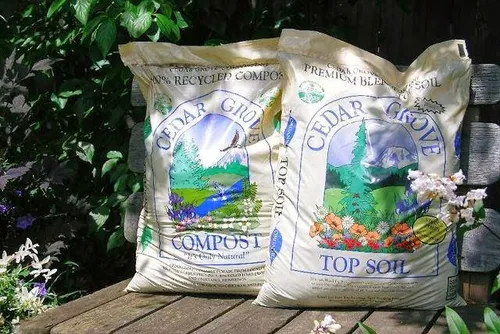
Cedar Grove Composting in Everett, WA specializes in food waste and composting services for restaurants and other commercial clients. They recycle large volumes of yard and food waste into compost annually and offer bulk soil, organics, and landscape materials available for delivery or retail purchase. Their service area includes the Puget Sound region, with options for shared services within a 2-mile radius. They also provide compostable packaging products for both commercial and residential use.
Understanding Washington's Mandatory Organics Law
The driving force behind food waste recycling in Redmond is Washington State's Organics Management Law. This legislation requires businesses located in designated Business Organics Management Areas (BOMA) to separate organic materials, including food scraps and food-soiled paper, for composting. The law is being phased in based on the volume of waste a business produces 1.
- 2024 Threshold: Starting January 1, 2024, businesses generating 8 cubic yards or more of organic waste per week were required to subscribe to compost collection service.
- 2025 Threshold: On January 1, 2025, the requirement expands to include businesses generating 4 cubic yards or more per week.
- Future Threshold: By 2026, the threshold will lower to approximately 96 gallons per week, a volume many restaurants easily meet 2.
The law is designed to capture the significant environmental benefit of composting, which reduces methane emissions from landfills and creates a useful soil amendment. For Redmond restaurants, the first step is to contact your current waste hauler to assess your waste stream and set up the required service.
Service Provider and Collection in Redmond
In Redmond, commercial composting and food waste collection services are primarily provided by Waste Management (WM). They are the city's contracted hauler for many businesses, making them the most common point of contact for setting up organics service.
- Collection Frequency: Commercial compost collection typically occurs weekly, often coordinated with your existing garbage and recycling pickup schedule.
- Containers: WM provides dedicated carts for organics. These are usually black carts, available in various sizes (e.g., 35-gallon, 64-gallon, 96-gallon) to match your business's volume. It's crucial to use only the provided carts for compostables 3.
- For Smaller Generators: Businesses that produce smaller amounts of food waste may have options for smaller carts or can inquire about centralized drop-off locations to manage their organic waste effectively before the mandatory thresholds apply to them.
What Goes In the Compost Cart?
Knowing what is and isn't acceptable is critical to successful, contamination-free composting. Contamination with non-compostable materials can lead to service issues and spoils the entire batch of compost.
YES - These items are ACCEPTED:
- All food scraps: Fruits, vegetables, meat, bones, fish, dairy, eggs, bread, and pasta. Even moldy or spoiled food is acceptable.
- Food-soiled paper: Paper napkins, paper towels, pizza boxes (greasy parts), paper take-out containers, coffee filters, and tea bags.
- Certified compostable products: Look for the BPI-certified logo on bags, containers, and utensils. When in doubt, check with WM.
- Other organics: Milk and juice cartons (empty), waxed cardboard.
NO - These are CONTAMINANTS and must be excluded:
- Plastics: Plastic bags, wrappers, containers, and utensils (unless BPI-certified).
- Glass, metal, or styrofoam.
- Liquids: Cooking oil, grease, or beverages. Empty cartons first.
- Non-paper packaging: Chip bags, candy wrappers.
- Other waste: Rubber bands, twist ties, diapers, pet waste, wood, or yard waste from commercial landscaping 4 5 6 7.
Find the perfect composting & food waste companies for your needs
Get personalized recommendations and expert advice
Costs and Billing for Commercial Service
A common question for restaurant owners is the cost of adding compost service. In Redmond's commercial waste system, the pricing structure is typically bundled. This means the cost for basic recycling and organics collection is often included in your overall garbage service rate, especially as these services become mandatory 8.
- No Extra Fee for Basic Service: For many businesses, adding a standard compost cart does not incur a separate, additional charge on top of their existing waste bill. The cost is integrated.
- Cost Varies by Cart Size: Your total quarterly bill will depend on the size and number of garbage, recycling, and compost carts you use. Larger carts (like a 96-gallon organics cart) cost more than smaller ones. A typical monthly rate for a small to mid-sized restaurant covering all three services can range from approximately $80 to over $100, but this is highly variable based on specific needs and cart sizes 9 10.
- Billing: WM issues bills on a quarterly basis. It's important to review your bill to understand the line items for each service.
Steps to Start Complying Today
If your Redmond restaurant isn't already separating food waste, here is a straightforward action plan:
- Assess Your Waste Volume: Look at your current garbage output. If you generate several full trash bags of food waste daily, you likely meet or will soon meet the state thresholds.
- Contact Waste Management (WM): This is the most critical step. Call WM's commercial customer service for Redmond. They will help you determine your required cart sizes, explain the local guidelines, and update your service agreement to include organics collection 11.
- Set Up Internal Collection: Place clearly labeled bins in your kitchen and prep areas for food scraps. Use a small, lined container (a certified compostable bag or a reusable bin that is washed regularly) to collect scraps before transferring them to the outdoor WM cart.
- Train Your Staff: Educate every team member on what goes in the compost cart versus the garbage or recycling. Clear signage at collection points is invaluable.
- Monitor and Adjust: Check your outdoor carts for contamination initially and adjust your internal process as needed. Proper sorting ensures your organic waste is successfully turned into compost.
Taking these steps not only ensures compliance with state law but also demonstrates your commitment to sustainability, which resonates with the environmentally conscious community in Redmond.
The Impact of Your Restaurant's Food Waste
Diverting food scraps from the landfill has a profound positive impact. When organic matter decomposes in a landfill without oxygen, it produces methane, a potent greenhouse gas. Commercial composting facilities process this material aerobically (with oxygen), significantly reducing methane emissions. The end product is nutrient-rich compost used in agriculture, landscaping, and gardening, closing the loop on the food cycle 12 13.
By participating in Redmond's organics recycling program, your restaurant directly contributes to Washington's climate goals, conserves landfill space, and supports the creation of a valuable local resource. It's a practical operational change with far-reaching environmental benefits.
Frequently asked questions
Sources
Footnotes
-
Organics management for businesses - Washington State Department of Ecology - https://ecology.wa.gov/waste-toxics/reducing-recycling-waste/organics-and-food-waste/2022-organics-management-law/organics-management-for-businesses ↩
-
Washington's organics management law ramps up business requirements for 2025 - https://ecology.wa.gov/blog/november-2024/nov-19-washington-s-organics-management-law-ramps-up-business-requirements-for-2025 ↩
-
Organics Composting - Redmond.gov - https://www.redmond.gov/DocumentCenter/View/28445/Organics-composting-55x85-flyer ↩
-
Yard Waste - Redmond - WMNorthwest - https://www.wmnorthwest.com/redmond/yardwaste/ ↩
-
How to compost right - King County, Washington - https://kingcounty.gov/en/dept/dnrp/waste-services/garbage-recycling-compost/services/food-yard-waste/how-to-compost ↩
-
Redmond Collection Guidelines - WMNorthwest - https://www.wmnorthwest.com/wp-content/uploads/2025/02/guidelines-redmond.pdf ↩
-
Recycling Profile: Redmond, Washington - RecycleNation - https://recyclenation.com/2015/03/recycling-profile-redmond-washington/ ↩
-
Recology: Garbage and Recycling Services | Redmond, WA - https://www.redmond.gov/2283/Recology-Garbage-and-Recycling-Services ↩
-
Commercial - WMNorthwest - https://www.wmnorthwest.com/redmond/commercial/ ↩
-
Rates and Billing - WMNorthwest - https://www.wmnorthwest.com/redmond/service/ ↩
-
Washington's organics management law ramps up business ... - https://ecology.wa.gov/blog/november-2024/nov-19-washington-s-organics-management-law-ramps-up-business-requirements-for-2025 ↩
-
Composting - Washington State Department of Ecology - https://ecology.wa.gov/waste-toxics/reducing-recycling-waste/organics-and-food-waste/managing-organics-compost ↩
-
Recycling & Waste Reduction | Redmond, WA - https://www.redmond.gov/389/Recycling-Waste-Reduction ↩