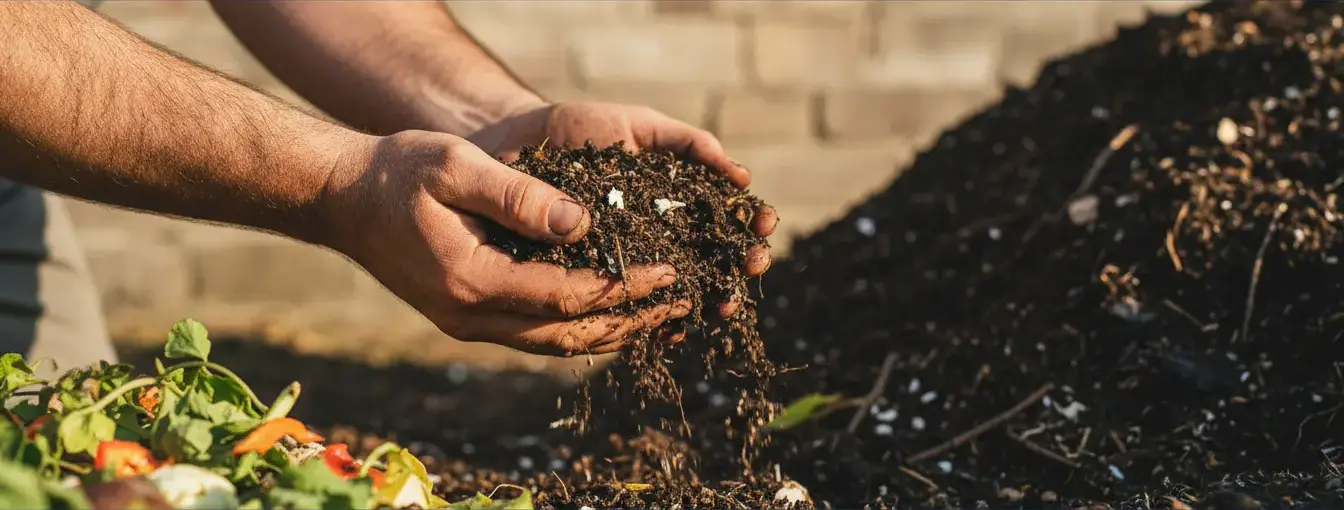
Find the Best Composting & Food Waste Companies for Your Business
No obligation • Fast responses • Nationwide coverage

Why you can trust Restaurant Waste Disposal
Restaurant Waste Disposal is a leading U.S. resource for comparing restaurant composting, food-waste recycling, grease trap cleaning, and used cooking oil collection services. Our editorial team researches providers, checks credentials, and organizes unbiased information so operators can make informed decisions. Companies cannot pay to change ratings or placement.
Search providers near you
Top Composting & Food Waste Companies in Olympia, Washington Ranked
For restaurants and food service businesses in Olympia, managing organic waste is no longer just an environmental best practice-it's a state-mandated requirement. Washington's Organics Management Law has established clear rules for businesses generating significant amounts of food scraps and yard debris, transforming food waste recycling from an option into a core operational necessity. The City of Olympia's Waste ReSources division provides a structured pathway to compliance, offering services, containers, and crucial free assessments to help local establishments navigate these regulations efficiently. By separating organic material from the landfill stream, Olympia businesses contribute to a circular economy, turning potential waste into valuable compost for local agriculture and landscaping.
Understanding and adhering to these mandates is the first critical step for any food-based business in the state's capital.
Understanding Washington's Organics Management Law
A new state law significantly increases composting requirements for certain commercial and nonprofit entities 1. The law is designed to dramatically reduce the volume of organic material-primarily food waste and yard debris-that ends up in landfills. For businesses in Olympia, this means specific obligations based on location and waste volume.
Key Requirements for Olympia Businesses:
- Designated Areas: The law applies to businesses located within a designated Business Organics Management Area (BOMA). It's essential to check the city's BOMA maps to confirm your business's status.
- Volume Thresholds: If your business generates more than 96 gallons of organic waste per week (approximately the volume of two standard bins), you are required to separate that material for composting. Implementation is being phased in, with full compliance expected by 2026 for covered entities.
- Separation Mandate: Covered businesses must source-separate their organic waste from general landfill trash and recycling. This material cannot be disposed of in the garbage.
The Washington State Department of Ecology provides comprehensive guidance on managing organics and compost, emphasizing the environmental benefits of diversion, including reduced greenhouse gas emissions and soil enrichment.
Services for Commercial Organics in Olympia
Olympia provides multiple avenues for businesses to fulfill their organics recycling obligations. The city-run program offers a direct subscription service, while businesses also have the option to contract with private haulers permitted to operate within the city.
City of Olympia Waste ReSources Program: The city's Waste ReSources division offers a tailored commercial organics collection service. Businesses can subscribe to this service, which operates on a separate fee structure from standard trash and recycling pickup. The program is designed to be flexible, accommodating the varying needs of different establishments, from small cafes to large restaurants.
Container Options from the City: To facilitate proper collection, Waste ReSources provides several container types:
- 95-Gallon Carts: Ideal for businesses with lower volumes of food scraps and yard waste.
- Dumpsters: Available in 1-yard, 1.5-yard, and 2-yard sizes for higher-volume generators.
- Drop Boxes: For larger projects or one-time major clean-outs, drop boxes can be provided.
Private Hauler and Shared Service Options: Businesses are not limited to the city's service. You may contract directly with a private waste collection company permitted for organics in Olympia. Furthermore, in some downtown areas, businesses may utilize shared compactor enclosures designated for organic waste, providing a consolidated solution for multiple establishments.
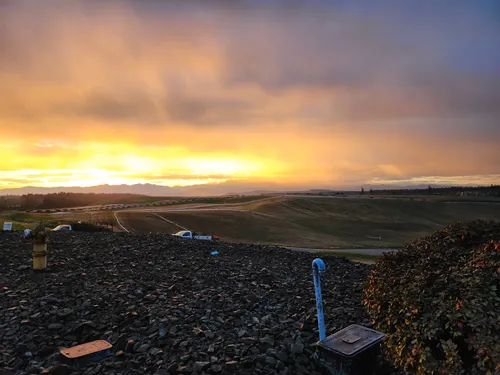
LRI LANDFILL
17925 Meridian E, Puyallup, WA 98375
LRI LANDFILL, operating under Pierce County Recycling, Composting, & Disposal LLC, provides solid waste disposal and recycling services in Puyallup, WA. The facility focuses on food waste and composting solutions for restaurants and other commercial customers within Pierce County. They offer commercial compost sales and manage multiple transfer stations across the region. LRI emphasizes environmentally sound waste management practices and collaborates with local businesses and regulatory agencies to support sustainable disposal methods.
Bokashicycle WA LLC
7506 69th Ave SW, Lakewood, WA 98498
Bokashicycle WA LLC is based in Lakewood, WA, and specializes in food waste and composting solutions for restaurants and other industries. They use a patented bokashi fermentation process that is scientifically backed to convert organic waste into valuable soil nutrients. This anaerobic fermentation method reduces odors and greenhouse gas emissions while producing products like AgrowTeaTM and AgrowPulpTM that improve soil and plant health. Bokashicycle WA LLC supports a variety of sectors including residential, agriculture, pet waste, and the marijuana industry with sustainable organic waste management.
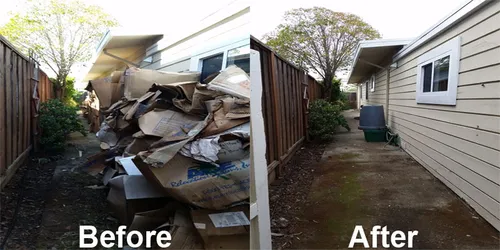
LRI - SALES ROAD COMPOSTING/RECYCLING
10308 Sales Rd S, Tacoma, WA 98499
LRI - SALES ROAD COMPOSTING/RECYCLING operates in Lakewood, WA, providing food waste and composting services primarily for restaurants and other commercial clients. As part of Pierce County Recycling, Composting, & Disposal LLC, the business focuses on environmentally sound solid waste disposal and recycling solutions within Pierce County. They work closely with local businesses, contractors, and regulatory agencies to manage food and yard waste effectively. The company also offers commercial compost sales and guidance on proper disposal of items such as batteries and appliances. Their services are available to residents and businesses within Pierce County.
What Can and Cannot Go in Your Organics Bin
Proper sorting is critical to the success of the composting process. Contamination-especially from plastics-can ruin an entire batch of compost and lead to service issues.
Accepted Materials (What Goes In): The goal is to capture all food scraps and food-soiled paper. Accepted items include:
- All food scraps: fruits, vegetables, meat, bones, fish, dairy products, eggs, and shells.
- Bread, pasta, rice, and other grains.
- Coffee grounds and filters, tea bags.
- Food-soiled paper: napkins, paper towels, uncoated paper plates, and pizza boxes.
- Yard debris: grass clippings, leaves, and small branches 2.
Strictly Prohibited Materials (What Stays Out):
- Plastic Bags: Even those labeled "compostable" or "biodegradable" are not accepted in the city's program, as they do not break down properly in local processing facilities.
- Styrofoam and other plastics.
- Glass, metal, or any other recyclables.
- Liquids, oils, or grease.
- Pet waste or diapers.
Using the correct containers, such as the city-provided carts or dumpsters, and training all staff on these guidelines is essential for maintaining a clean, effective organics stream 3.
Costs and Processing of Commercial Organics
The cost for commercial organics collection in Olympia is not a flat fee; it varies based on the specific needs of your business. Pricing depends primarily on two factors: the size of the container (e.g., a 95-gallon cart vs. a 2-yard dumpster) and the frequency of pickup required (e.g., weekly, twice-weekly) 4 5. The most accurate way to determine cost is to undergo a waste assessment, which will pinpoint your exact service needs. For reference, residential organics cart service has been priced around $22.14 per month, but commercial rates will differ 5.
Once collected, the organic material from Olympia businesses is not processed locally in small batches. Instead, it is transported to large-scale, industrial composting facilities capable of handling the volume and diversity of commercial food waste. Facilities like Silver Springs Organics use controlled methods to efficiently break down the material into high-quality compost, which is then sold for agricultural and landscaping use, closing the loop on the food cycle 6.
Find the perfect composting & food waste companies for your needs
Get personalized recommendations and expert advice
How to Start Composting at Your Olympia Business
Taking the first step towards compliance is straightforward, and the City of Olympia offers direct support to make the process seamless.
- Request a Free Waste Assessment: This is the most valuable and recommended first step. Contact Olympia Waste ReSources to schedule a free assessment of your business's waste stream. An expert will help you understand your organic waste volume, identify opportunities for reduction, and clarify your obligations under the law 7. You can reach them at 360-753-8752 or via email at sorman@ci.olympia.wa.us.
- Identify Your Current Hauler: Determine if you are already in a city or private collection area. Review your current waste service invoices or contact your provider directly. You can also check the City's BOMA maps and service information to understand your options 8.
- Set Up Service: Based on your assessment, subscribe to the appropriate level of service. This may involve setting up a new subscription with Olympia Waste ReSources or coordinating with a private hauler. Ensure you receive the correct containers (carts or dumpsters) for your establishment 9.
- Train Your Staff and Implement: Educate every team member on what goes into the organics bin. Place clear signage in kitchen and prep areas. Proper implementation from day one minimizes contamination and ensures your program is successful and compliant 10 11.
By proactively engaging with these steps, Olympia restaurants and food service businesses can not only meet regulatory requirements but also demonstrate environmental leadership, potentially reduce overall waste disposal costs, and contribute positively to the local ecosystem.
Frequently asked questions
Sources
Footnotes
-
A new state law increases composting requirements for ... - https://www.facebook.com/cityofolympia/posts/a-new-state-law-increases-composting-requirements-for-certain-commercial-nonprof/1123701386457873/ ↩
-
Organics Management Law - City of Olympia - https://www.olympiawa.gov/services/garbage___recycling/organics___yard_waste/organics_management_law.php ↩
-
Chapter 8 WASTE RESOURCES - Olympia - General Code - https://www.codepublishing.com/WA/Olympia/edds/OlympiaEDDS08.html ↩
-
Commercial Organics - City of Olympia - https://www.olympiawa.gov/services/garbage___recycling/organics___yard_waste/commercial_organics.php ↩
-
Chapter 4 - City-Run Collections Program - General Code - https://www.codepublishing.com/WA/Olympia/wr/OlympiaWR04.html ↩ ↩2
-
Philadelphia commercial composting - restaurants, cafes, etc - https://www.circlecompost.com/commercial/ ↩
-
Olympia offers free assessments for organic management compliance - https://www.thejoltnews.com/stories/olympia-offers-free-assessments-for-organic-management-compliance,19948 ↩
-
Organics Management Law - Washington State Department of Ecology - https://ecology.wa.gov/waste-toxics/reducing-recycling-waste/organics-and-food-waste/2022-organics-management-law ↩
-
Composting - Washington State Department of Ecology - https://ecology.wa.gov/waste-toxics/reducing-recycling-waste/organics-and-food-waste/managing-organics-compost ↩
-
Chapter 6 - Olympia - General Code - https://www.codepublishing.com/WA/Olympia/wr/OlympiaWR06.html ↩
-
Olympia Offers Compost Collection and Free Waste Assessments to ... - https://thurstongreenbusiness.com/olympia-offers-compost-collection-free-waste-assessments-businesses-2/ ↩