
Find the Best Composting & Food Waste Companies for Your Business
No obligation • Fast responses • Nationwide coverage

Why you can trust Restaurant Waste Disposal
Restaurant Waste Disposal is a leading U.S. resource for comparing restaurant composting, food-waste recycling, grease trap cleaning, and used cooking oil collection services. Our editorial team researches providers, checks credentials, and organizes unbiased information so operators can make informed decisions. Companies cannot pay to change ratings or placement.
Search providers near you
Top Composting & Food Waste Companies in Marysville, Washington Ranked
For restaurant owners and food service operators in Marysville, managing organic waste is not just an environmental consideration-it's a key operational and regulatory requirement. Navigating the rules for food scrap recycling and composting can streamline your waste management, potentially reduce costs, and ensure compliance with Washington State's ambitious organics diversion laws. This guide provides a clear starting point for understanding the local landscape for commercial food waste recycling, from mandatory service rules to practical implementation steps for your business.
Cedar Grove Composting
21902 76th Dr SE, Woodinville, WA 98072
Cedar Grove Composting is based in Bothell, WA, specializing in food waste and composting services for restaurants and other clients. They recycle large amounts of yard and food waste into compost annually, serving the Puget Sound region with delivery options and retail sales of bulk soil and landscape materials. The company also offers compostable packaging products for commercial and residential use. Delivery services include options for shared pickups within a two-mile radius, with additional blower and slinger truck services available through third parties.
Cedar Grove Composting
3620 36th Pl NE, Everett, WA 98201
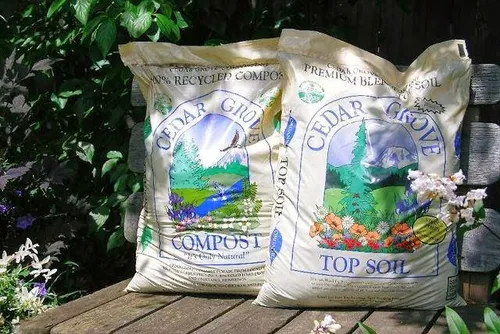
Cedar Grove Composting in Everett, WA specializes in food waste and composting services for restaurants and other commercial clients. They recycle large volumes of yard and food waste into compost annually and offer bulk soil, organics, and landscape materials available for delivery or retail purchase. Their service area includes the Puget Sound region, with options for shared services within a 2-mile radius. They also provide compostable packaging products for both commercial and residential use.
Understanding Washington's SB 1383 and Local Mandates
Washington State's SB 1383 law sets a statewide goal to dramatically reduce the amount of organic material, like food scraps and soiled paper, sent to landfills. This law significantly impacts commercial entities, including restaurants, which are typically considered large generators of organic waste. While the state provides the framework, local jurisdictions and their contracted haulers implement the specific rules 1.
In Marysville, garbage collection is mandatory for all properties, including commercial businesses. The city contracts with Waste Management (WM) Northwest for residential and many commercial services. For restaurants, this means you are required to have garbage service. Under the umbrella of SB 1383, it is highly likely that a separate organics recycling (composting) service is also mandated for your food waste, though specific commercial requirements should be confirmed directly with the service provider or the city. The intent is to separate food scraps from the general garbage stream, diverting them to facilities where they can be composted into nutrient-rich soil.
Service Structure for Marysville Restaurants
Most restaurants in Marysville will need a three-stream waste management system: one for garbage, one for traditional recycling (cans, bottles, cardboard), and one for organics/compost. For standard commercial accounts, WM Northwest typically provides 64-gallon or 96-gallon carts for each stream. Pickup is generally scheduled weekly, and containers must be placed at the curb by 5:00 AM on your collection day.
However, the high volume of waste generated by many restaurants may exceed the capacity of standard carts. If your operation requires containers larger than 8 cubic yards, or if you have specialized service needs, you may need to contract with a private hauler independently 2. It's crucial to assess your weekly organic output to choose the right container size and pickup frequency, as this directly impacts service efficiency and cost.
Find the perfect composting & food waste companies for your needs
Get personalized recommendations and expert advice
What Goes In the Organics Bin?
Proper sorting is critical to successful food waste recycling. Contamination (placing the wrong items in the compost bin) can lead to rejected loads and additional fees. The general rule is that all food scraps belong in the organics cart.
Accepted food waste typically includes:
- Fruit and vegetable scraps
- Meat, fish, and bones
- Dairy products
- Bread, pasta, and grains
- Coffee grounds and filters
- Tea bags (staples removed)
- Eggshells and nutshells
A common point of confusion is packaging. While food-soiled paper like pizza boxes, napkins, and paper towels are accepted in some organics programs, you must verify the specific guidelines from your hauler. For Marysville services through WM Northwest, it is essential to consult their latest guidelines, as rules can vary. Never place plastic bags, utensils, glass, or metal in the organics cart. Using certified compostable bags can help keep carts clean, but you should confirm they are accepted by your specific service provider 3 4.
Costs and Billing for Commercial Service
The cost for waste collection in Marysville is not a one-size-fits-all model for businesses. Garbage service carries a base fee, but the costs for recycling and organics collection are typically volume-based, depending on the size and number of containers you use and the frequency of pickup 5. By effectively separating organics and recyclables from your garbage, you may be able to downsize your garbage container, which can lead to lower overall costs, as garbage disposal is often the most expensive stream.
To get accurate pricing for your restaurant, you must contact WM Northwest directly for a commercial quote. They will consider factors like your location, the volume of each waste type, and your chosen container sizes. Investing a few minutes in this consultation can provide clarity on your monthly waste management budget and help you optimize your service plan.
Steps to Implement a Food Waste Program
- Conduct a Waste Audit: Spend a week observing what your restaurant throws away. This will help you estimate the volume of garbage, recyclables, and organics, informing your container needs.
- Contact Your Hauler: Reach out to WM Northwest to confirm your eligibility under SB 1383, review accepted materials, and request a quote for commercial organics service. They are the primary source for the most current rules and pricing 6.
- Set Up Internal Collection: Place clearly labeled, dedicated bins in your kitchen and prep areas for food scraps. Use small, lidded containers that are easy to empty and clean. Educate your staff thoroughly on what goes where.
- Manage Your Exterior Containers: Ensure your outdoor compost cart or dumpster is clearly labeled, accessible for pickup, and stored in a way to prevent contamination and pests. Locking lids can be a wise investment.
- Review and Refine: Check your organics bin periodically for contamination. Provide ongoing training to new and existing staff to keep your program effective and compliant.
Benefits Beyond Compliance
While adhering to regulations is the primary driver, establishing a robust food waste recycling program offers tangible benefits for your restaurant. Diverting organics supports local sustainability goals and reduces greenhouse gas emissions from landfills. It can also enhance your brand's reputation with environmentally conscious customers. Furthermore, by analyzing your waste stream, you may identify opportunities to reduce food waste at the source through better inventory management or portion control, directly improving your bottom line.
Frequently asked questions
Sources
Footnotes
-
Food Waste Recycling | Los Angeles County Sanitation Districts - https://www.lacsd.org/services/solid-waste-programs/food-waste-recycling ↩
-
Chapter 7.08 GARBAGE COLLECTION - Marysville - https://www.codepublishing.com/WA/Marysville/html/Marysville07/Marysville0708.html ↩
-
Marysville Collection Guidelines - WMNorthwest - https://www.wmnorthwest.com/wp-content/uploads/2025/02/guidelines-marysville.pdf ↩
-
Garbage Information - City of Marysville - https://www.marysvillewa.gov/1160/Garbage-Information ↩
-
Garbage & Recycling Rates - Marysville, WA - https://www.marysvillewa.gov/1118/Garbage-Recycling-Rates ↩
-
Garbage & Recycling - City of Marysville, WA - https://www.marysvillewa.gov/172/Solid-Waste-Recycling ↩