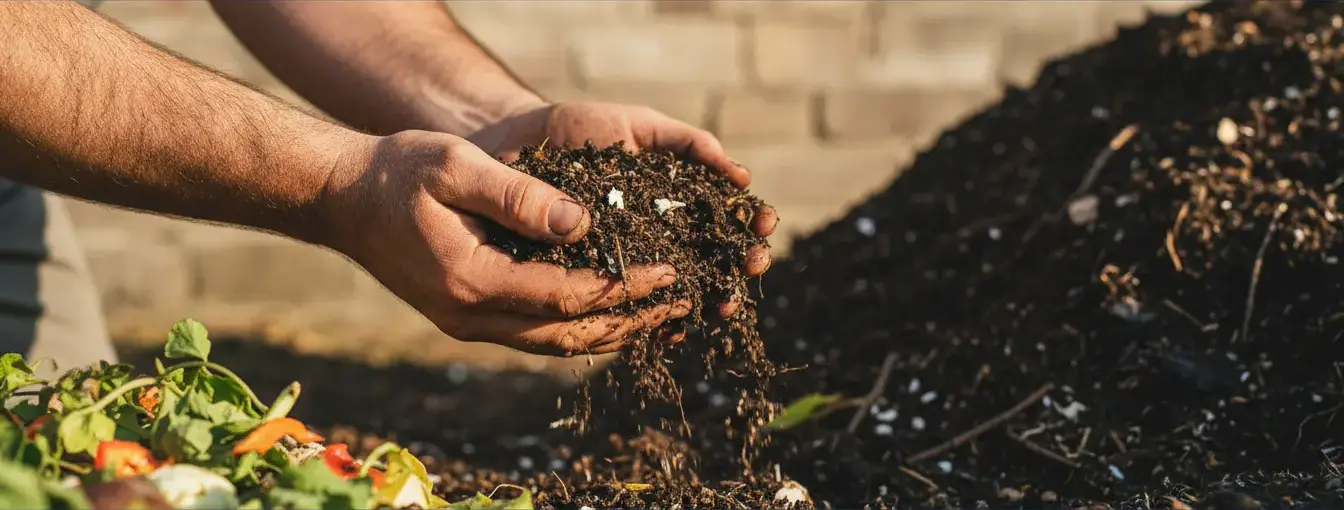
Find the Best Composting & Food Waste Companies for Your Business
No obligation • Fast responses • Nationwide coverage

Why you can trust Restaurant Waste Disposal
Restaurant Waste Disposal is a leading U.S. resource for comparing restaurant composting, food-waste recycling, grease trap cleaning, and used cooking oil collection services. Our editorial team researches providers, checks credentials, and organizes unbiased information so operators can make informed decisions. Companies cannot pay to change ratings or placement.
Search providers near you
Top Composting & Food Waste Companies in Kent, Washington Ranked
For restaurants, grocery stores, and other food service businesses in Kent, managing organic waste is no longer just an environmental consideration-it's a legal requirement. Washington State's organics management law mandates that businesses generating a certain volume of food and yard waste must divert it from landfills. This presents a significant operational shift but also a clear opportunity. By implementing a proper food scrap recycling program, Kent businesses can comply with regulations, reduce their environmental footprint, and potentially lower their overall waste disposal costs through strategic service adjustments. Success hinges on understanding the local rules, partnering with your waste hauler, and effectively training your team.
The core mandate applies to businesses, including those in Kent, that produce four or more cubic yards of food and yard waste per week-roughly equivalent to eight standard 96-gallon carts 1 2. This threshold encompasses many restaurants, cafeterias, and large food retailers. The goal is to keep materials like meat, dairy, produce, bones, and food-soiled paper out of the garbage stream and into the organics recycling system 1.
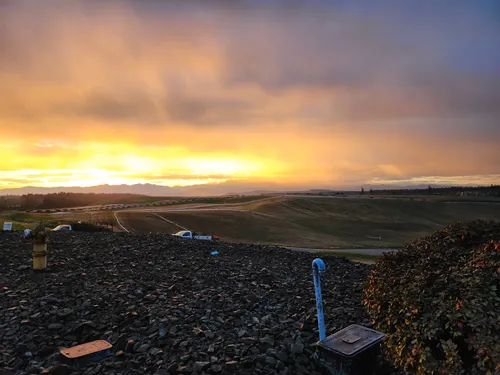
LRI LANDFILL
17925 Meridian E, Puyallup, WA 98375
LRI LANDFILL, operating under Pierce County Recycling, Composting, & Disposal LLC, provides solid waste disposal and recycling services in Puyallup, WA. The facility focuses on food waste and composting solutions for restaurants and other commercial customers within Pierce County. They offer commercial compost sales and manage multiple transfer stations across the region. LRI emphasizes environmentally sound waste management practices and collaborates with local businesses and regulatory agencies to support sustainable disposal methods.
Cedar Grove Composting
21902 76th Dr SE, Woodinville, WA 98072
Cedar Grove Composting is based in Bothell, WA, specializing in food waste and composting services for restaurants and other clients. They recycle large amounts of yard and food waste into compost annually, serving the Puget Sound region with delivery options and retail sales of bulk soil and landscape materials. The company also offers compostable packaging products for commercial and residential use. Delivery services include options for shared pickups within a two-mile radius, with additional blower and slinger truck services available through third parties.
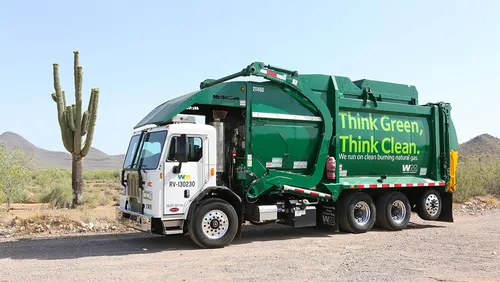
Bokashicycle WA LLC
7506 69th Ave SW, Lakewood, WA 98498
Bokashicycle WA LLC is based in Lakewood, WA, and specializes in food waste and composting solutions for restaurants and other industries. They use a patented bokashi fermentation process that is scientifically backed to convert organic waste into valuable soil nutrients. This anaerobic fermentation method reduces odors and greenhouse gas emissions while producing products like AgrowTeaTM and AgrowPulpTM that improve soil and plant health. Bokashicycle WA LLC supports a variety of sectors including residential, agriculture, pet waste, and the marijuana industry with sustainable organic waste management.
LRI - SALES ROAD COMPOSTING/RECYCLING
10308 Sales Rd S, Tacoma, WA 98499
LRI - SALES ROAD COMPOSTING/RECYCLING operates in Lakewood, WA, providing food waste and composting services primarily for restaurants and other commercial clients. As part of Pierce County Recycling, Composting, & Disposal LLC, the business focuses on environmentally sound solid waste disposal and recycling solutions within Pierce County. They work closely with local businesses, contractors, and regulatory agencies to manage food and yard waste effectively. The company also offers commercial compost sales and guidance on proper disposal of items such as batteries and appliances. Their services are available to residents and businesses within Pierce County.
Understanding Your Responsibilities
Compliance starts with knowing what materials are accepted. The organics recycling stream in Kent is designed for food scraps and food-soiled paper. This includes:
- All food waste: Fruits, vegetables, meat, poultry, fish, bones, dairy products, bread, and coffee grounds with filters.
- Food-soiled paper: Uncoated paper napkins, paper towels, pizza boxes, and compostable paper plates.
- Certified compostable bags and serviceware (look for the BPI certification logo).
Crucially, contamination can ruin an entire load of compost. You must keep these items out of the green organics cart:
- Plastic bags of any kind (even if they claim to be biodegradable).
- Plastic packaging, wrappers, or utensils.
- Liquids, fats, oils, and grease.
- Garden waste (unless specifically included by your hauler).
- Non-paper liners, rubber bands, and twist ties 3.
Setting Up Service with Your Hauler
Unlike residential service, commercial organics collection in Kent is handled directly through your licensed waste hauler, such as Waste Management or Republic Services. You are not required to switch haulers; you simply add an organics service to your existing contract 4.
The process involves a few key steps:
- Contact Your Hauler: Reach out to your current waste provider to discuss adding organics collection. They will guide you through their specific setup process.
- Determine Container Size and Frequency: Your hauler will help you choose the appropriate size for your green organics cart (typically starting at 96 gallons) and set a pickup frequency (e.g., weekly, twice-weekly) based on your estimated volume.
- Implement Interior Collection: For efficient kitchen operations, use small countertop or under-counter caddies lined with certified compostable bags to collect scraps throughout the day. These are then emptied into the large outdoor cart for pickup 5 6.
The Business Case for Organics Diversion
While there is a cost for adding a new service stream, many businesses find that a well-planned food waste recycling program can lead to net savings. This is achieved through "right-sizing." Food waste is often the heaviest component of garbage. By diverting it to a dedicated organics cart, you may be able to reduce the size or frequency of your garbage service, which is typically more expensive per gallon than organics service. Waste management companies have noted that this rebalancing can lower total waste bills for businesses making the switch 7.
Beyond direct cost savings, participating in commercial composting enhances your brand's sustainability profile, meets customer expectations for environmental responsibility, and fulfills corporate social governance goals. It's a tangible demonstration of your commitment to the community and the environment.
Find the perfect composting & food waste companies for your needs
Get personalized recommendations and expert advice
Leveraging Free Local Resources
To support Kent businesses in this transition, the City of Kent offers a Green Business Program. While comprehensive, free outreach and education support is scheduled to roll out more fully in 2026, the foundation is being built now. This future program is designed to provide hands-on assistance, including:
- Waste Audits and Bin Sizing: Experts can help you analyze your waste stream and recommend the most cost-effective container sizes and pickup schedules.
- Staff Training and Education: Multilingual signage, training guides, and on-site support to ensure your team knows exactly what goes where.
- Starter Kits: Limited supplies of compostable bag liners and dispensers for kitchen caddies to help you launch your program successfully.
Staying informed through the City of Kent's Public Works Department website is the best way to access these resources as they become available.
Building a Successful Program Internally
Technology and contracts are only part of the solution. The human element-your staff-is critical for a contamination-free, efficient system.
- Start with Leadership Buy-In: Ensure management understands the "why" behind the program, from legal compliance to potential cost savings.
- Train Thoroughly and Often: Conduct initial training for all kitchen and front-of-house staff and provide regular refreshers. Use clear, picture-based signage above collection stations.
- Make it Easy: Place small collection caddies in every key food prep and dishwashing area. Empty them frequently to avoid odors.
- Monitor and Provide Feedback: Designate a sustainability champion to spot-check carts and provide positive reinforcement to teams doing it right.
Adopting a food scrap recycling system is a proactive step for any food-focused business in Kent. It positions your operation for compliance with evolving state laws, demonstrates environmental leadership, and can create a more efficient waste management strategy. By partnering with your hauler, utilizing upcoming city resources, and engaging your team, you can transform a regulatory requirement into a operational advantage.
Frequently asked questions
Sources
Footnotes
-
How to compost right - King County, Washington - https://kingcounty.gov/en/dept/dnrp/waste-services/garbage-recycling-compost/services/food-yard-waste/how-to-compost ↩ ↩2
-
Washington's organics management law ramps up business ... - https://ecology.wa.gov/blog/november-2024/nov-19-washington-s-organics-management-law-ramps-up-business-requirements-for-2025 ↩
-
How can I prepare for pickups? - WM - https://www.wm.com/us/en/support/faqs/service-questions/how-can-i-prepare-for-pickups ↩
-
Garbage, Recycling, Food and Yard Waste | City of Kent - https://www.kentwa.gov/guides/garbage-recycling-food-and-yard-waste ↩
-
CALIFORNIA MANDATORY - Commercial Recycling Laws - https://www.wm.com/location/california/sacramento-valley/woodland/calrecycle/1826-2020-handout-Woodland.pdf ↩
-
Food recycling - London Recycles - https://londonrecycles.co.uk/recycling-101/food-recycling/ ↩
-
Green Business - Outreach & Education | City of Kent - https://www.kentwa.gov/departments/public-works-department/environmental/talking-trash-recycle-and-clean-up-events-for-residents/business-outreach-education ↩