Find the Best Composting & Food Waste Companies for Your Business
No obligation • Fast responses • Nationwide coverage

Why you can trust Restaurant Waste Disposal
Restaurant Waste Disposal is a leading U.S. resource for comparing restaurant composting, food-waste recycling, grease trap cleaning, and used cooking oil collection services. Our editorial team researches providers, checks credentials, and organizes unbiased information so operators can make informed decisions. Companies cannot pay to change ratings or placement.
Search providers near you
Top Composting & Food Waste Companies in Federal Way, Washington Ranked
For restaurants and food service businesses in Federal Way, managing organic waste is no longer just an environmental consideration-it's a legal requirement. Washington State's Organics Management Law mandates that businesses generating significant amounts of food scraps and yard waste must separate these materials for recycling. Fortunately, Federal Way has established systems and resources to help local eateries, cafes, and grocery stores transition smoothly to food scrap recycling and composting. Partnering with the city's designated provider, Waste Management (WM), businesses can turn a regulatory obligation into an operational advantage, reducing landfill waste and contributing to a circular economy right here in our community.
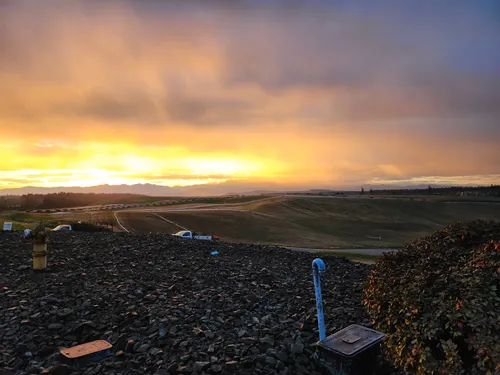
LRI LANDFILL
17925 Meridian E, Puyallup, WA 98375
LRI LANDFILL, operating under Pierce County Recycling, Composting, & Disposal LLC, provides solid waste disposal and recycling services in Puyallup, WA. The facility focuses on food waste and composting solutions for restaurants and other commercial customers within Pierce County. They offer commercial compost sales and manage multiple transfer stations across the region. LRI emphasizes environmentally sound waste management practices and collaborates with local businesses and regulatory agencies to support sustainable disposal methods.
Bokashicycle WA LLC
7506 69th Ave SW, Lakewood, WA 98498
Bokashicycle WA LLC is based in Lakewood, WA, and specializes in food waste and composting solutions for restaurants and other industries. They use a patented bokashi fermentation process that is scientifically backed to convert organic waste into valuable soil nutrients. This anaerobic fermentation method reduces odors and greenhouse gas emissions while producing products like AgrowTeaTM and AgrowPulpTM that improve soil and plant health. Bokashicycle WA LLC supports a variety of sectors including residential, agriculture, pet waste, and the marijuana industry with sustainable organic waste management.
LRI - SALES ROAD COMPOSTING/RECYCLING
10308 Sales Rd S, Tacoma, WA 98499
LRI - SALES ROAD COMPOSTING/RECYCLING operates in Lakewood, WA, providing food waste and composting services primarily for restaurants and other commercial clients. As part of Pierce County Recycling, Composting, & Disposal LLC, the business focuses on environmentally sound solid waste disposal and recycling solutions within Pierce County. They work closely with local businesses, contractors, and regulatory agencies to manage food and yard waste effectively. The company also offers commercial compost sales and guidance on proper disposal of items such as batteries and appliances. Their services are available to residents and businesses within Pierce County.
Understanding Washington's Organics Management Law
The driving force behind commercial food waste diversion is state legislation designed to keep organic material out of landfills, where it generates harmful methane gas. The law establishes specific thresholds for businesses. As of 2025, the requirements have expanded: businesses generating 4 or more cubic yards of organic waste per week are required to separate their food scraps and yard debris for proper recycling 1. This follows an initial phase-in that started with larger generators. This means many restaurants, supermarkets, cafeterias, and food processors in Federal Way are now legally obligated to participate in organics recycling programs 2.
The City of Federal Way actively supports local businesses in complying with this law. The city provides clear guidelines and partners with Waste Management to offer the necessary services and containers for collection. The goal is to make compliance as straightforward as possible, turning food waste into nutrient-rich compost rather than landfill trash.
Setting Up Your Commercial Organics Service
In Federal Way, Waste Management (WM) is the primary provider for commercial organics collection. Setting up service is a critical first step for compliance.
Contacting Your Provider: Your first action should be to contact WM directly to establish or modify your commercial waste service to include organics collection. They will help you determine the appropriate container sizes and service frequency based on your establishment's volume of food scraps and other organic waste.
Container Selection: WM provides large, wheeled green carts specifically designed for mixed yard and food waste. The size of your cart will influence your monthly rate. For kitchen-level collection, smaller pails or bins are used to gather scraps before they are transferred to the large outdoor cart. Properly sizing your containers is key to efficient and cost-effective service 3.
Understanding Costs: Service costs are typically based on the size of your collection cart and the frequency of pickup. The City of Federal Way notes that weekly organics recycling service can start at under $16 per month for a standard 96-gallon cart, though final pricing is determined by WM based on your specific service agreement 4. Many starter programs or resources may be subsidized or offered at reduced costs to encourage participation.
What Goes In the Organics Cart (And What Stays Out)
Proper sorting is the cornerstone of a successful food waste recycling program. Contamination-placing non-compostable items in the green cart-can lead to extra fees and disrupt the composting process. Here's a clear guide for your staff.
YES - Acceptable Food & Yard Waste:
- All food scraps: This includes fruits, vegetables, meat, bones, fish, dairy products, bread, and grains.
- Food-soiled paper: Uncoated paper napkins, paper towels, pizza boxes (grease-stained portions), and coffee filters.
- Yard debris: Grass clippings, leaves, weeds, and small branches.
NO - Unacceptable Contaminants:
- Plastic bags: This is the most common contaminant. Never use standard plastic bags to line your kitchen pail or green cart.
- Liquids: Oils, soups, sauces, and beverages must be disposed of separately.
- Non-organic materials: Rocks, soil, glass, metal, and pet waste.
- Plastic-lined items: Such as coated paper plates or to-go containers 5.
The Bag Rule: To contain mess and odors in your kitchen bin, you must use only bags certified as compostable. Look for the BPI (Biodegradable Products Institute) certification label. Standard "biodegradable" or "degradable" bags are not allowed, as they break down into microplastics.
Find the perfect composting & food waste companies for your needs
Get personalized recommendations and expert advice
Free Resources & Supplies from the City
To lower the barrier to entry, the City of Federal Way offers tangible resources to help businesses start strong.
Free Compostable Bags: The city provides free rolls of certified compostable bags to businesses. These are essential for lining your kitchen collection pails. You can request these supplies by emailing recycle@federalwaywa.gov.
Kitchen Countertop Bins: The city may also offer small kitchen collection bins (pails) to help with the initial setup of your food scrap sorting station. These make it easy for staff to separate scraps right at the source, whether it's the prep line, dish pit, or wait station 6.
Educational Outreach: Through its partnership with WM, the city provides educational materials and outreach. This can include posters for your back-of-house, training guides for staff, and direct support to ensure your team understands the sorting guidelines.
Operational Best Practices for Restaurants
Implementing a successful organics diversion program requires more than just putting out a new bin. Here are operational tips tailored for the busy food service environment.
- Train Every Team Member: Conduct brief but clear training sessions for all staff, including kitchen, front-of-house, and cleaning crews. Use visual aids posted above bins showing exactly what goes where.
- Create Convenient Collection Points: Place small, lined pails at every major waste generation point: vegetable prep stations, next to the dishwashing area, and in the bar. Empty these frequently into the large outdoor green cart.
- Monitor and Provide Feedback: Designate a sustainability lead to periodically check the green cart for contamination. Positive reinforcement for proper sorting helps build good habits and avoids contamination fees from your hauler.
- Schedule Consistent Pickup: Organics are collected on a weekly schedule in Federal Way. Ensure your outdoor green cart is accessible and placed at the curb on your designated collection day 7.
The Importance of Avoiding Contamination
Contamination isn't just a minor mistake; it has real consequences. When non-compostable materials like plastic bags enter the composting facility, they must be laboriously removed, driving up processing costs. Severe or repeated contamination can result in your cart being left unemptied or in additional fees charged to your business by the service provider 8 9. Keeping your organics stream clean ensures the material can be successfully transformed into high-quality compost for local agriculture and landscaping, closing the loop on the food cycle.
By embracing food scrap recycling, Federal Way businesses are not only meeting state mandates but also playing a direct role in building a more sustainable local economy. The process turns waste into a resource, reduces greenhouse gas emissions, and supports Washington's environmental goals.
Frequently asked questions
Sources
Footnotes
-
Washington's organics management law ramps up business requirements for 2025 - https://ecology.wa.gov/blog/november-2024/nov-19-washington-s-organics-management-law-ramps-up-business-requirements-for-2025 ↩
-
Grocery stores adapt to new organic waste regulations - https://www.federalwaymirror.com/business/grocery-stores-adapt-to-new-organic-waste-regulations/ ↩
-
Chapter 11.20 SOLID WASTE COLLECTION REGULATIONS - https://www.codepublishing.com/WA/FederalWay/html/FederalWay11/FederalWay1120.html ↩
-
Commercial Services | City of Federal Way - https://www.federalwaywa.gov/page/commercial-services ↩
-
Seattle bulks up its recycling rate with a food scrap collection and composting program. - https://www.waste360.com/food-waste/scrappy-in-seattle ↩
-
Yard Waste & Food Scraps Recycling | City of Federal Way - https://www.federalwaywa.gov/page/yard-waste-food-scraps-recycling ↩
-
Yard Waste - WMNorthwest - https://www.wmnorthwest.com/federalway/yardwaste/ ↩
-
Federal Way Commercial Collection Guidelines - WMNorthwest - https://www.wmnorthwest.com/wp-content/uploads/2025/11/comguidelines-fw.pdf ↩
-
Solid Waste and Recycling - City of Federal Way - https://www.federalwaywa.gov/page/solid-waste-and-recycling ↩