Find the Best Composting & Food Waste Companies for Your Business
No obligation • Fast responses • Nationwide coverage

Why you can trust Restaurant Waste Disposal
Restaurant Waste Disposal is a leading U.S. resource for comparing restaurant composting, food-waste recycling, grease trap cleaning, and used cooking oil collection services. Our editorial team researches providers, checks credentials, and organizes unbiased information so operators can make informed decisions. Companies cannot pay to change ratings or placement.
Search providers near you
Top Composting & Food Waste Companies in Edmonds, Washington Ranked
For restaurants and food service businesses in Edmonds, managing organic waste is no longer just an environmental consideration-it's a legal requirement. Washington state's organics management law mandates the separation of food scraps and food-soiled paper from the landfill stream, a regulation that is actively enforced within the city. This shift towards mandatory organics recycling presents both a compliance necessity and an opportunity for local establishments to reduce their environmental footprint. Successfully navigating Edmonds's food waste diversion program involves understanding the specific rules, selecting a certified hauler, and implementing effective kitchen practices to minimize contamination and cost.
The core mandate is clear: Edmonds businesses that generate food waste must arrange for its separate collection for composting. This ordinance is part of a broader state effort to dramatically reduce the volume of organic material, which makes up a significant portion of landfill waste, where it generates harmful methane gas. The requirements are scaling up, with stricter rules for larger waste generators set to phase in starting in 2025. For restaurant owners and managers, this means establishing a reliable system for organics recycling is essential for both current operations and future planning.
Cedar Grove Composting
21902 76th Dr SE, Woodinville, WA 98072
Cedar Grove Composting is based in Bothell, WA, specializing in food waste and composting services for restaurants and other clients. They recycle large amounts of yard and food waste into compost annually, serving the Puget Sound region with delivery options and retail sales of bulk soil and landscape materials. The company also offers compostable packaging products for commercial and residential use. Delivery services include options for shared pickups within a two-mile radius, with additional blower and slinger truck services available through third parties.
Cedar Grove Composting
3620 36th Pl NE, Everett, WA 98201
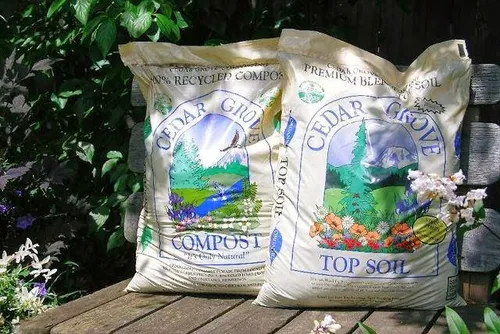
Cedar Grove Composting in Everett, WA specializes in food waste and composting services for restaurants and other commercial clients. They recycle large volumes of yard and food waste into compost annually and offer bulk soil, organics, and landscape materials available for delivery or retail purchase. Their service area includes the Puget Sound region, with options for shared services within a 2-mile radius. They also provide compostable packaging products for both commercial and residential use.
Understanding Edmonds's Mandatory Organics Diversion Law
The foundation of Edmonds's approach is Washington's organic materials management law. The City of Edmonds has codified these requirements into local ordinance, making the separation of compostables and recyclables mandatory for applicable businesses 1. The law is designed to be progressive, initially focusing on larger generators but ultimately aiming for widespread participation.
The definition of a "food service business" under this ordinance is broad, encompassing any establishment that prepares or serves food or beverages. This includes restaurants, cafes, grocery stores with prepared food sections, catering companies, and institutional kitchens. The primary obligation is to subscribe to a commercial organics collection service for all accepted materials, ensuring these items are kept completely separate from garbage and traditional recycling.
What Can and Cannot Go in Your Compost Bin
A successful organics recycling program hinges on proper sorting. Contamination-placing non-compostable items in the organics bin-can lead to rejected loads, potential fines, and higher processing costs for everyone 2 3.
Accepted Food Scraps & Materials:
- All food waste: This includes fruits, vegetables, meat, poultry, fish, bones, dairy products, eggs, and shells.
- Baked goods: Bread, pasta, rice, and other grains.
- Food-soiled paper: Uncoated paper plates, napkins, paper towels, coffee filters, and tea bags. Greasy pizza boxes are a prime example of a compostable paper product.
- Other compostables: Loose leaf tea and grounds from coffee are perfect for the compost bin.
Strictly Prohibited Contaminants:
- Plastic bags: Even those labeled "biodegradable" or "compostable" are not accepted in Edmonds's curbside program and must be kept out.
- Glass, metal, and foil
- Pet waste or kitty litter
- Liquids, fats, oils, and grease (these require separate handling for grease trap services)
- Any non-compostable packaging
Keeping these contaminants out is crucial. The state is engaged in ongoing rulemaking to further reduce plastic and other contamination in the compost stream, meaning standards will only become more stringent.
Choosing a Commercial Collection Provider in Edmonds
Restaurants must contract directly with a waste hauler permitted to collect commercial organics in the city. The two primary providers for this service are:
- Sound Disposal: This provider services the Edmonds Bowl area for commercial organics collection.
- Cedar Grove: A major composting facility that also provides collection services, generally available throughout Edmonds.
When contacting these providers, you will need to establish a service plan. Key decisions include:
- Container Size: Options typically range from 32-gallon carts to large 96-gallon wheeled carts or even dumpsters, depending on your volume.
- Collection Frequency: Most restaurants require weekly pickup, but some may manage with bi-weekly service depending on their output.
- Service Combination: Many providers offer bundled services, allowing you to coordinate garbage, recycling, and organics collection on the same schedule.
Find the perfect composting & food waste companies for your needs
Get personalized recommendations and expert advice
Cost Considerations for Restaurant Food Waste Programs
The cost for commercial organics collection is not a fixed fee; it varies based on your specific needs. Providers like Sound Disposal and Cedar Grove base pricing on several factors 4 5:
- Bin Size: A 32-gallon cart will cost significantly less per month than a 96-gallon cart or a front-load dumpster.
- Pickup Frequency: Weekly service is standard and more expensive than bi-weekly pickup.
- Location and Accessibility: Ease of access for the collection truck can influence price.
While residential or small business yard waste carts (which include food scraps) may start in the range of $20-$40 per month, commercial restaurant service is typically higher due to larger volumes and specialized handling. The most accurate way to determine cost is to request a direct quote from the providers, giving them details about your estimated weekly food waste volume. Investing in proper sorting and waste reduction can help control these costs over time.
Implementing an Effective Kitchen System
Compliance starts in the back-of-house. A well-designed internal system prevents confusion and contamination.
- Placement is Key: Set up clearly labeled, dedicated collection bins for compostables in food prep areas, near dish pits, and anywhere food waste is generated. A small countertop container lined with a paper bag can simplify daily collection.
- Train Your Team: Educate every staff member-from chefs to dishwashers to servers-on what goes where. Use visual guides posted above bins. Consistent training is the single most effective way to reduce contamination.
- Monitor and Adjust: Regularly check your organics and recycling bins for mistakes. Use this feedback to retrain staff and refine your bin placement. Tracking your waste volume can also help you optimize your service level with your hauler.
The Future of Organics Recycling in Washington
Edmonds restaurants should be aware that the regulatory landscape is evolving. Washington's law includes phased timelines that will bring more businesses under stricter requirements. For example, larger generators (those producing four or more cubic yards of organic waste per week) will face enhanced obligations starting as soon as 2025 6. Furthermore, ongoing state rulemaking focuses on reducing contamination, particularly from plastics, which may lead to more rigorous inspection and enforcement of what's in your compost bin. Staying informed and proactive in your program now will prepare your business for these future changes.
Frequently asked questions
Sources
Footnotes
-
ordinance no. 4139 - https://cdnsm5-hosted.civiclive.com/UserFiles/Servers/Server_16494932/File/Government/Departments/Public%20Works%20and%20Utilities/Recycling%20%26%20Garbage/Food%20Service%20Requirements/Ordinance_4139.pdf ↩
-
New WA state rulemaking will reduce plastic and other ... - https://myedmondsnews.com/2024/12/new-wa-state-rulemaking-will-reduce-plastic-and-other-contamination-in-compost/ ↩
-
Food and Yard Waste | City of Tacoma - https://tacoma.gov/government/departments/environmental-services/solid-waste/food-yard-waste/ ↩
-
Food Service Requirements - City of Edmonds, WA - https://www.edmondswa.gov/government/departments/public_works_and_utilities/recycling_garbage/food_service_requirements ↩
-
Yard Waste & Food Scraps - City of Edmonds, WA - https://www.edmondswa.gov/government/departments/public_works_and_utilities/recycling_garbage/what_do_i_do_with/yard_waste_food_scraps ↩
-
State's organics management law ramps up business requirements ... - https://myedmondsnews.com/2024/11/states-organics-management-law-ramps-up-business-requirements-for-2025/ ↩