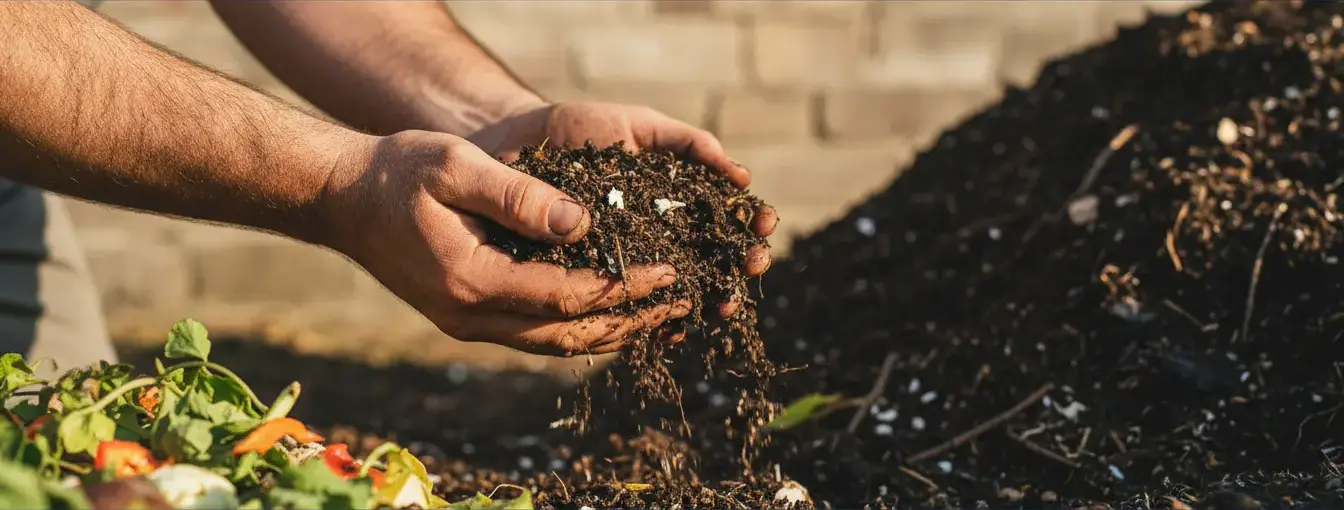
Find the Best Composting & Food Waste Companies for Your Business
No obligation • Fast responses • Nationwide coverage

Why you can trust Restaurant Waste Disposal
Restaurant Waste Disposal is a leading U.S. resource for comparing restaurant composting, food-waste recycling, grease trap cleaning, and used cooking oil collection services. Our editorial team researches providers, checks credentials, and organizes unbiased information so operators can make informed decisions. Companies cannot pay to change ratings or placement.
Search providers near you
Top Composting & Food Waste Companies in Auburn, Washington Ranked
For restaurants and food service businesses in Auburn, managing organic waste is not just an environmental choice-it's a legal requirement. Washington State's Organics Management Law mandates that businesses in designated areas, including Auburn, separate food scraps, soiled paper, and yard debris from their regular garbage and recycling streams. This regulation is part of a broader effort to reduce landfill waste and greenhouse gas emissions by turning organic material into valuable compost. The City of Auburn partners with WM NorthWest to provide comprehensive yard and food waste collection services, offering a structured path for compliance. Successfully navigating these organics recycling requirements involves understanding your collection options, proper material sorting, and the specific guidelines set by your hauler to avoid contamination and potential service issues.
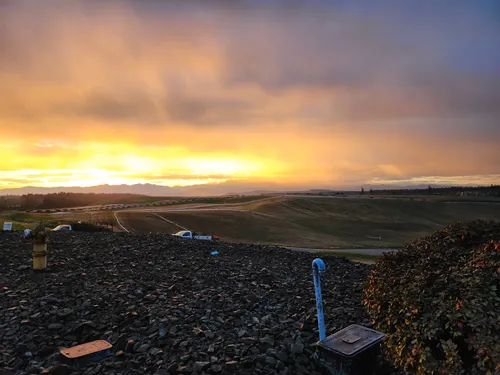
LRI LANDFILL
17925 Meridian E, Puyallup, WA 98375
LRI LANDFILL, operating under Pierce County Recycling, Composting, & Disposal LLC, provides solid waste disposal and recycling services in Puyallup, WA. The facility focuses on food waste and composting solutions for restaurants and other commercial customers within Pierce County. They offer commercial compost sales and manage multiple transfer stations across the region. LRI emphasizes environmentally sound waste management practices and collaborates with local businesses and regulatory agencies to support sustainable disposal methods.
Bokashicycle WA LLC
7506 69th Ave SW, Lakewood, WA 98498
Bokashicycle WA LLC is based in Lakewood, WA, and specializes in food waste and composting solutions for restaurants and other industries. They use a patented bokashi fermentation process that is scientifically backed to convert organic waste into valuable soil nutrients. This anaerobic fermentation method reduces odors and greenhouse gas emissions while producing products like AgrowTeaTM and AgrowPulpTM that improve soil and plant health. Bokashicycle WA LLC supports a variety of sectors including residential, agriculture, pet waste, and the marijuana industry with sustainable organic waste management.
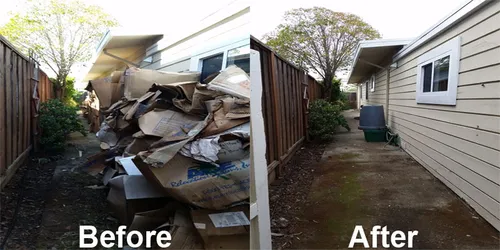
LRI - SALES ROAD COMPOSTING/RECYCLING
10308 Sales Rd S, Tacoma, WA 98499
LRI - SALES ROAD COMPOSTING/RECYCLING operates in Lakewood, WA, providing food waste and composting services primarily for restaurants and other commercial clients. As part of Pierce County Recycling, Composting, & Disposal LLC, the business focuses on environmentally sound solid waste disposal and recycling solutions within Pierce County. They work closely with local businesses, contractors, and regulatory agencies to manage food and yard waste effectively. The company also offers commercial compost sales and guidance on proper disposal of items such as batteries and appliances. Their services are available to residents and businesses within Pierce County.
Understanding Washington's Organics Law for Businesses
Washington's organics management law is designed to significantly reduce the amount of food and yard waste sent to landfills. For Auburn restaurants, this means active participation is compulsory if your business generates a certain amount of organic waste and is located within a Business Organics Management Area (BOMA) 1. The law emphasizes a hierarchy: the first goal is to prevent food waste, the second is to donate edible surplus to food banks or hunger relief organizations, and the third is to recycle inedible food scraps through composting or anaerobic digestion. This regulatory framework ensures that nutrients are returned to the soil and methane emissions from landfills are curtailed. Staying informed about these evolving requirements is crucial for long-term compliance and operational planning.
Collection Services and Your Options
The primary pathway for Auburn restaurants to manage food waste is through the curbside collection service provided by WM NorthWest, the city's designated hauler. However, businesses have a few avenues to meet the mandate:
- Curbside Pickup with WM NorthWest: This is the standard service. Restaurants must contact WM NorthWest directly to establish commercial organics collection. The hauler will provide specific containers for the separated material.
- On-Site Processing: Some businesses may explore on-site composting or digestion systems. This option requires careful management to avoid odors and pests and must meet all local health and zoning regulations.
- Third-Party Collectors: You may contract with another approved collector or transport organic waste to a permitted facility yourself. If you choose this route, you must keep records proving proper diversion from the landfill 2.
Regardless of the method, the first step for most Auburn restaurants is to contact WM NorthWest to discuss your specific service needs and container options.
Accepted Materials: What Goes in the Organics Cart
Proper sorting is the cornerstone of effective food scrap recycling. Contamination with non-compostable items can ruin entire loads of compost. For the WM NorthWest yard and food waste cart, accepted materials include 3:
- All Food Scraps: This includes fruits, vegetables, meat, bones, seafood, dairy products, bread, pasta, coffee grounds, and eggshells.
- Food-Soiled Paper: Uncoated paper products like napkins, paper towels, uncoated pizza boxes, and coffee filters.
- Yard Debris: Leaves, grass clippings, flowers, and small branches.
It is critical to keep the following items out of your organics cart:
- Plastic bags (even those labeled "compostable" or "biodegradable" are often not accepted in curbside programs).
- Liquids, oils, and grease.
- Styrofoam, glass, metal, or plastic packaging.
- Pet waste or diapers.
Using a dedicated, lined pail in your kitchen for collection can simplify the process, but remember to empty the contents directly into the outdoor cart-do not dispose of the plastic liner bag in the organics cart.
Container Types and Placement Guidelines
WM NorthWest provides the containers for commercial organics collection. For restaurants, typical options include 35, 64, or 96-gallon wheeled carts, as well as larger 1- or 2-yard dumpsters, depending on the volume of waste generated. It is important to use only the containers provided by your hauler for this stream.
Placement for pickup is also specified. Containers must be placed at the curb or designated collection point by 7:00 a.m. on your scheduled collection day. They should be spaced at least two feet apart from each other and from other obstacles like mailboxes, cars, or poles, with the lid opening facing the street. Proper placement ensures efficient and safe collection by the hauler's automated or manual equipment.
Find the perfect composting & food waste companies for your needs
Get personalized recommendations and expert advice
Scheduling and Service Frequency
Commercial food waste collection in Auburn is typically scheduled on a weekly basis 4. Your specific collection day will be established when you set up service with WM NorthWest. Consistency is key for kitchen operations, as organic waste can attract pests and create odors if not collected regularly. It's advisable to coordinate your internal waste handling schedule-such as when you take out trash and recycling-with the organics pickup day to maintain a clean and efficient back-of-house area. If you experience a missed pickup, contact WM NorthWest directly for resolution.
Cost Considerations for Commercial Service
The cost for commercial organics collection is not a flat fee and can vary based on several factors. Pricing is generally determined by the size of the container (e.g., 1-yard dumpster vs. 96-gallon cart) and the frequency of pickup (e.g., weekly vs. more frequent) 5. For example, service for a 1-yard dumpster can start in the range of $150-$160 or more per pickup, though final rates are set by the hauler based on your service agreement 6 5. While this represents an added line item, many businesses find that properly separating organics can reduce the volume and frequency of their more expensive general garbage service, potentially offsetting some of the cost.
Avoiding Contamination and Ensuring Compliance
Contamination is the single biggest challenge for community composting programs. WM NorthWest actively monitors for prohibited items in the organics stream 7. Consequences for consistent contamination can include non-collection (tagging the cart), educational notices, or in severe cases, additional fees. To stay compliant:
- Train Staff Thoroughly: Ensure every kitchen and front-of-house employee knows what goes in the organics cart. Use clear signage.
- Audit Your Waste Streams: Periodically check your organics, recycling, and garbage containers to catch and correct sorting errors.
- Communicate with Your Hauler: If you are unsure about an item, ask. WM NorthWest provides guidelines to clarify acceptable materials 8.
By prioritizing clean streams, you contribute to the production of high-quality compost and ensure the long-term viability of the recycling program.
The Environmental and Community Impact
Diverting food waste from the landfill has profound benefits. In landfills, organic matter decomposes anaerobically (without oxygen), producing methane, a potent greenhouse gas. When composted, these same materials break down aerobically, creating a nutrient-rich soil amendment that improves water retention, reduces erosion, and supports healthy plant growth 9. For an Auburn restaurant, participating in this program means directly supporting local sustainability goals, reducing your carbon footprint, and contributing to a circular economy where food waste is transformed into a resource for local farms and gardens. It's a tangible way to demonstrate environmental stewardship to your customers and community.
Frequently asked questions
Sources
Footnotes
-
Washington's organics management law ramps up business requirements for 2025 - https://ecology.wa.gov/blog/november-2024/nov-19-washington-s-organics-management-law-ramps-up-business-requirements-for-2025 ↩
-
Business - Outreach & Education - City of Auburn - https://www.auburnwa.gov/city_hall/utilities/garbage__recycling___yard_food_waste_services/business_outreach_education ↩
-
Outreach & Education - City of Auburn - https://www.auburnwa.gov/city_hall/utilities/garbage__recycling___yard_food_waste_services/outreach ↩
-
City of Auburn - WMNorthwest - https://www.wmnorthwest.com/auburn/ ↩
-
8.08.180 Collection charges - Residential and commercial ... - https://auburn.municipal.codes/ACC/8.08.180 ↩ ↩2
-
Com Compost - Auburn - WMNorthwest - https://www.wmnorthwest.com/auburn/comcompost/ ↩
-
Yard+Food Waste Collection Basics - CivicLive - https://cdnsm5-hosted.civiclive.com/UserFiles/Servers/Server_11470554/File/City%20Hall/Utility%20Billing/Garbage/Outreach/YardFoodWasteBasics.pdf ↩
-
Auburn Commercial Collection Guidelines - WMNorthwest - https://www.wmnorthwest.com/wp-content/uploads/2025/01/guidelines-auburn-com.pdf ↩
-
Composting - Washington State Department of Ecology - https://ecology.wa.gov/waste-toxics/reducing-recycling-waste/organics-and-food-waste/managing-organics-compost ↩