Find the Best Composting & Food Waste Companies for Your Business
No obligation • Fast responses • Nationwide coverage

Why you can trust Restaurant Waste Disposal
Restaurant Waste Disposal is a leading U.S. resource for comparing restaurant composting, food-waste recycling, grease trap cleaning, and used cooking oil collection services. Our editorial team researches providers, checks credentials, and organizes unbiased information so operators can make informed decisions. Companies cannot pay to change ratings or placement.
Search providers near you
Top Composting & Food Waste Companies in West Haven, Connecticut Ranked
For restaurant owners and food service operators in West Haven, managing organic waste is no longer just an operational concern-it's a regulatory and environmental imperative. Connecticut's Commercial Organics Recycling Law (CORL) has established clear mandates for larger generators of food scraps, shaping the landscape for organics recycling in the city. While West Haven itself does not offer a municipal restaurant composting program, a network of private haulers and state resources provides a pathway to compliance and sustainability. Successfully navigating food waste diversion involves understanding the legal thresholds, selecting a service provider, implementing proper source separation, and adhering to strict contamination guidelines to ensure your organic material is transformed into valuable compost or renewable energy rather than occupying landfill space.
Understanding your obligations under state law is the critical first step. Connecticut's CORL requires businesses, including restaurants, that generate 26 tons or more of food scraps annually to separate and recycle those organics 1. This threshold represents approximately 52,000 pounds of food waste per year. It's important to begin tracking your waste output now, as reporting requirements for covered entities are set to begin in 2025. Even if your establishment generates less than the mandated 26 tons, you are encouraged to make a "good faith effort" to reduce, donate, or recycle food scraps 1. Proactive management can yield cost savings, enhance your brand's environmental profile, and prepare your business for potential future regulatory changes.
Navigating Service Providers and Collection
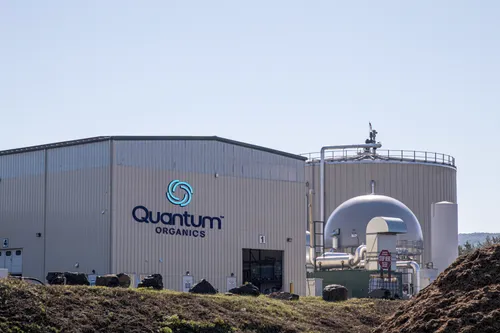
Since West Haven does not provide a city-run organics collection service for businesses, partnering with a private hauler is essential for compliance. Several reputable companies service the West Haven area, including Divert, Inc., All American Waste, Blue Earth Compost, and USA Hauling & Recycling. These providers handle the logistics of collecting your separated food waste and transporting it to permitted processing facilities, such as anaerobic digesters (which create renewable energy) or composting sites.
When engaging a hauler, you'll need to establish a collection schedule that matches your kitchen's output. This could range from daily pickups for high-volume establishments to several times per week for smaller operations. The hauler will typically supply the collection containers, which are often 30-gallon totes or bins made of metal or plastic and designed without sharp edges. Setting up this service involves direct communication with the provider to tailor frequency, container size, and location to your specific operational flow.
Implementing Effective On-Site Separation
The cornerstone of any successful food scrap recycling program is clean source separation. This means keeping compostable materials completely separate from trash and recycling from the moment they are discarded. Kitchen staff training is paramount. Clearly labeled collection bins in prep areas, dish pits, and behind service stations are necessary to make the system intuitive and effective.
What CAN be collected for organics recycling:
- All food scraps, including fruit and vegetable peels, meat, bones, dairy products, and eggshells.
- Coffee grounds and filters.
- Soiled, non-recyclable paper products like used napkins, paper towels, and uncoated pizza boxes (check with your hauler) 2.
- Baked goods and grains.
What CANNOT be included (common contaminants):
- Plastics of any kind, including bags, packaging, and "compostable" plastic serviceware unless explicitly approved by your processing facility 3.
- Glass, metals, or Styrofoam.
- Liquids, oils, and grease (these require separate handling for grease trap services).
- Rubber bands, twist ties, or other non-organic materials 4.
Contamination is a major issue for processors. A bin filled with food scraps but lined with a plastic bag can often result in the entire load being rejected and sent to the landfill, negating your efforts and potentially incurring fees 5. Emphasize a "clean stream" to your team.
Understanding Costs and Potential Savings
The cost for private food waste hauling in West Haven is not fixed and varies based on several factors. Your final price will depend on the hauler you choose, the frequency of pickup, the volume of organics you generate, and your location 6. It's advisable to get quotes from multiple service providers.
However, it's crucial to view this as part of your overall waste management budget. By diverting heavy, wet food scraps from your standard trash dumpster, you may significantly reduce the volume of solid waste you produce. This can allow you to downsize your trash container or reduce the frequency of trash pickups, leading to direct savings on your trash hauling bill that can partially or fully offset the cost of the new organics service 7 8. A waste audit can help you understand these potential savings.
Find the perfect composting & food waste companies for your needs
Get personalized recommendations and expert advice
Beyond Hauling: Alternative Food Waste Strategies
For restaurants exploring options beyond traditional hauling, Connecticut offers additional pathways for managing organics. Food donation is a powerful tool for waste reduction and community support. Organizations across the state can connect businesses with excess edible food to local pantries and food banks, providing a tax-deductible alternative to disposal 9. This should be the first consideration for surplus, unserved food.
For on-site management, some establishments may investigate technologies like aerobic digesters or small-scale composting systems. These can significantly reduce the volume and weight of food scraps on-site, though they require space, investment, and management. Furthermore, used cooking oil (UCO) collection is a separate but related service. Many grease trap cleaning and UCO collection companies operate in the region, ensuring this valuable resource is recycled into biodiesel, not poured down drains where it causes costly blockages.
Building a Sustainable Program for Your Business
Launching a food waste diversion program requires planning and commitment. Start by conducting a waste audit to understand your current organic output. Engage your staff early in the process; their buy-in is critical for maintaining a clean stream. Designate a "green champion" or team to oversee the program, monitor bins for contamination, and serve as the point of contact with your hauler.
Clearly communicate your sustainability goals to customers. Many diners appreciate supporting businesses with strong environmental practices. You can share your efforts on menus, table tents, or social media, explaining how their meal's leftovers are being put to positive use. This transparency can build customer loyalty and distinguish your restaurant in the West Haven market.
Frequently asked questions
Sources
Footnotes
-
Connecticut Organics Recycling Law - SCRRRA - https://www.scrrra.org/connecticut-organics-recycling-law/ ↩ ↩2
-
How to dispose of or recycle Pizza box - enfield-ct.gov - http://www.enfield-ct.gov/402/Recycling-Information#!rc-cpage=200408 ↩
-
City of West Haven, CT Food Packaging - eCode360 - https://ecode360.com/14116456 ↩
-
City of West Haven, CT Collection and Disposal - eCode360 - https://ecode360.com/14116487 ↩
-
Commercial food scraps policy - https://www.oregonmetro.gov/sites/default/files/2019/02/01/Commercial_Food_Scraps_Policy_Overview_Feb_2019.pdf ↩
-
Compost Site - West Haven, CT - https://www.cityofwesthaven.com/262/Compost-Site ↩
-
Commercial Organics Recycling Law - CT.gov - https://portal.ct.gov/deep/waste-management-and-disposal/organics-recycling/commercial-organics-recycling-law ↩
-
Composting and Organics Recycling - CT.gov - https://portal.ct.gov/deep/waste-management-and-disposal/organics-recycling/composting-and-organics-recycling ↩
-
Wasted Food assistance in Connecticut • CET - https://www.cetonline.org/wasted-food-assistance-in-connecticut/ ↩