Find the Best Composting & Food Waste Companies for Your Business
No obligation • Fast responses • Nationwide coverage

Why you can trust Restaurant Waste Disposal
Restaurant Waste Disposal is a leading U.S. resource for comparing restaurant composting, food-waste recycling, grease trap cleaning, and used cooking oil collection services. Our editorial team researches providers, checks credentials, and organizes unbiased information so operators can make informed decisions. Companies cannot pay to change ratings or placement.
Search providers near you
Top Composting & Food Waste Companies in Bristol, Connecticut Ranked
Managing food scraps and organic waste is a growing priority for both residents and businesses in Bristol, Connecticut. The city has taken proactive steps with a municipal pilot program, while state regulations provide a framework for larger commercial operations to divert food waste from landfills. Understanding the available services, rules, and benefits can help you effectively participate in organics recycling, reducing environmental impact and potentially lowering waste disposal costs. This guide outlines the key programs and practical steps for handling food waste in Bristol.

Blue Earth Compost
18 Midland St, Hartford, CT 06120
Blue Earth Compost provides food waste and composting services for restaurants in Hartford, CT. They focus on diverting food scraps from landfills to support environmental sustainability.
Quantum Organics
49 Depaolo Dr, Southington, CT 06489
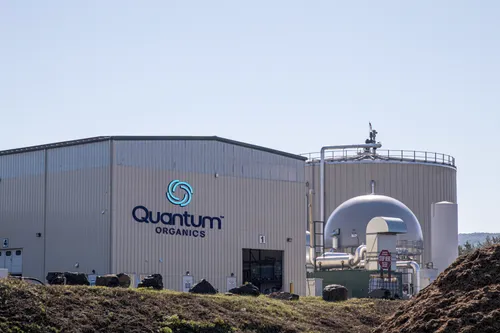
Quantum Organics is based in Bristol, CT, specializing in food waste and composting services for restaurants and other organic waste generators. They use anaerobic digestion to convert organic waste into renewable energy and compost, supporting sustainability efforts for businesses, institutions, and municipalities. Their state-of-the-art recycling campus captures methane from waste to supply local renewable energy. With 40 years of experience, Quantum Organics offers tailored solutions to help clients reduce landfill use and improve sustainability.
Bristol's Residential Food Scrap Pilot Program
In July 2024, Bristol launched a free food scrap collection pilot program for its residents 1. This initiative provides a convenient way for households to separate organic waste from their regular trash. Residents can drop off their collected food scraps at the City Yard located at 95 Vincent P. Kelley Road. The city partners with a private hauler, Blue Earth Compost, to manage the collected material.
To participate, residents can pick up starter kits that include a 2-gallon kitchen countertop bin and compostable bags at Bristol City Hall 2. The program follows a simple "If it Grows, it Goes" motto, accepting a wide variety of materials. This includes all food scraps such as meat, bones, dairy products, bread, fruits, vegetables, and coffee grounds. Food-soiled paper towels and napkins, as well as flowers, are also accepted 2. It's crucial to avoid contaminants like plastic bags (unless they are certified compostable liners) and pet waste.
Commercial Organics Recycling Requirements
For businesses and institutions in Bristol, food waste management is governed by Connecticut's Commercial Organics Recycling Law (CORL). This state mandate requires entities that generate large volumes of food scraps to separate and recycle this organic material. The law specifically applies to commercial food wholesalers or distributors, industrial food manufacturers or processors, supermarkets, and resorts or conference centers that generate an estimated 26 tons or more of organic waste per year.
If your business meets this threshold, you are legally required to ensure your food waste is recycled. This typically involves contracting with a permitted private hauler who will provide collection services. The goal of the regulation is to divert significant quantities of organic material from waste-to-energy plants and landfills, turning it into beneficial compost or renewable energy instead.
Services for Businesses and Restaurants
Commercial entities subject to the CORL mandate, or any business wishing to voluntarily reduce its food waste footprint, must arrange for private collection. In the Bristol area, providers like Blue Earth Compost offer commercial food scrap collection services. These haulers supply the necessary equipment, which usually includes 32-gallon to 90-gallon wheeled totes and compostable liner bags tailored to your volume of waste.
Collection schedules and costs are not standardized and vary based on the hauler, the frequency of pickup, and the amount of organic waste generated. Businesses need to contact haulers directly for a customized quote. The accepted materials for commercial programs are generally comprehensive, mirroring the residential guidelines to include all food scraps and food-soiled paper3.
Find the perfect composting & food waste companies for your needs
Get personalized recommendations and expert advice
What Materials Are Accepted for Composting?
A key to successful organics recycling is knowing what can and cannot be included in your food scrap collection. Both residential and commercial programs in Bristol encourage the diversion of a broad range of materials.
Accepted Items Include:
- All food scraps: Fruits, vegetables, meat, poultry, fish, bones, dairy products (cheese, yogurt), eggs and shells, bread, pasta, rice, and nuts.
- Coffee-related waste: Coffee grounds and paper filters.
- Food-soiled paper: Paper towels, napkins, and uncoated paper plates that have been in contact with food.
- Other compostables: House plants and cut flowers.
Items to Exclude (Contaminants):
- Plastics: This includes plastic bags, packaging, and utensils. Only certified compostable bags provided by the program or hauler should be used.
- Liquids: Cooking oils, grease, and beverages.
- Non-organic waste: Glass, metal, rubber, and pet waste.
- Biodegradable plastics: These often do not break down in composting facilities and should be kept out.
Keeping contaminants out of the food scrap stream is essential. Contamination can ruin entire batches of compost, creating processing challenges for the haulers and facilities that turn this waste into a valuable product.
Benefits of Diverting Food Waste
Participating in food scrap recycling offers multiple advantages for the Bristol community, local businesses, and the environment. For residents, the pilot program is a no-cost opportunity to significantly reduce the volume of household trash, which can lessen odors and extend the life of local waste management systems. The compost created from collected scraps enriches soil, closing the nutrient loop in a local, sustainable cycle.
For businesses, the benefits are both operational and reputational. Diverting organic waste can directly reduce trash disposal tonnage and associated costs. Engaging in sustainable practices like organics recycling enhances a company's green credentials, appealing to environmentally conscious customers and employees. Furthermore, some service arrangements may offer credits for finished compost, which can be used for landscaping4 5. Most importantly, for large generators, compliance with the CORL is a legal requirement, helping the state meet its broader waste diversion and sustainability goals6.
How to Start a Commercial Food Waste Program
If your Bristol business needs to establish or improve its food scrap recycling, following a clear process will ensure success and compliance.
- Assess Your Volume: The first step is to determine if your business generates 26 tons or more of food waste annually. A waste hauler or sustainability consultant can help you conduct a waste audit to estimate your output.
- Contact Licensed Haulers: Reach out to permitted organic waste haulers that service the Bristol area, such as Blue Earth Compost. Discuss your needs, request quotes for collection services, and inquire about the containers (totes) and compostable liners they provide.
- Implement Internal Collection: Set up clearly labeled collection bins in key areas like kitchens, prep stations, and dish rooms. Ensure these are paired with proper compostable liners and are easily accessible for staff.
- Train Your Staff: Comprehensive employee training is critical. Educate all team members on what materials are accepted, the importance of avoiding contamination, and the procedures for emptying kitchen bins into the larger outdoor totes 7.
- Monitor and Adjust: After launching the program, monitor participation and contamination levels. Provide ongoing feedback to staff and adjust bin placements as needed to optimize collection and maintain a clean stream of organic material.
Frequently asked questions
Sources
Footnotes
-
Bristol piloting food scrap program - WTNH.com - https://www.wtnh.com/news/connecticut/hartford/bristol-piloting-food-scrap-program/ ↩
-
Food Scrap Collection Program - Bristol, CT - https://www.bristolct.gov/CivicAlerts.asp?AID=1458 ↩ ↩2
-
Food Scrap Collection | Bristol, CT - Official Website - http://www.bristolct.gov/1210/Food-Scrap-Collection ↩
-
Commercial Institutional Food Waste Collection and Composting - https://portal.ct.gov/DEEP/Waste-Management-and-Disposal/Organics-Recycling/Commercial--Institutional-Food-Waste-Collection-and-Composting ↩
-
Connecticut Organics Recycling Law - SCRRRA - https://www.scrrra.org/connecticut-organics-recycling-law/ ↩
-
Commercial Organics Recycling Law - CT.gov - https://portal.ct.gov/deep/waste-management-and-disposal/organics-recycling/commercial-organics-recycling-law ↩
-
Food-Scraps-To-Compost Collection Survey - Bristol, CT - https://www.bristolct.gov/CivicAlerts.aspx?AID=1009 ↩