Find the Best Composting & Food Waste Companies for Your Business
No obligation • Fast responses • Nationwide coverage

Why you can trust Restaurant Waste Disposal
Restaurant Waste Disposal is a leading U.S. resource for comparing restaurant composting, food-waste recycling, grease trap cleaning, and used cooking oil collection services. Our editorial team researches providers, checks credentials, and organizes unbiased information so operators can make informed decisions. Companies cannot pay to change ratings or placement.
Search providers near you
Top Composting & Food Waste Companies in Stamford, Connecticut Ranked
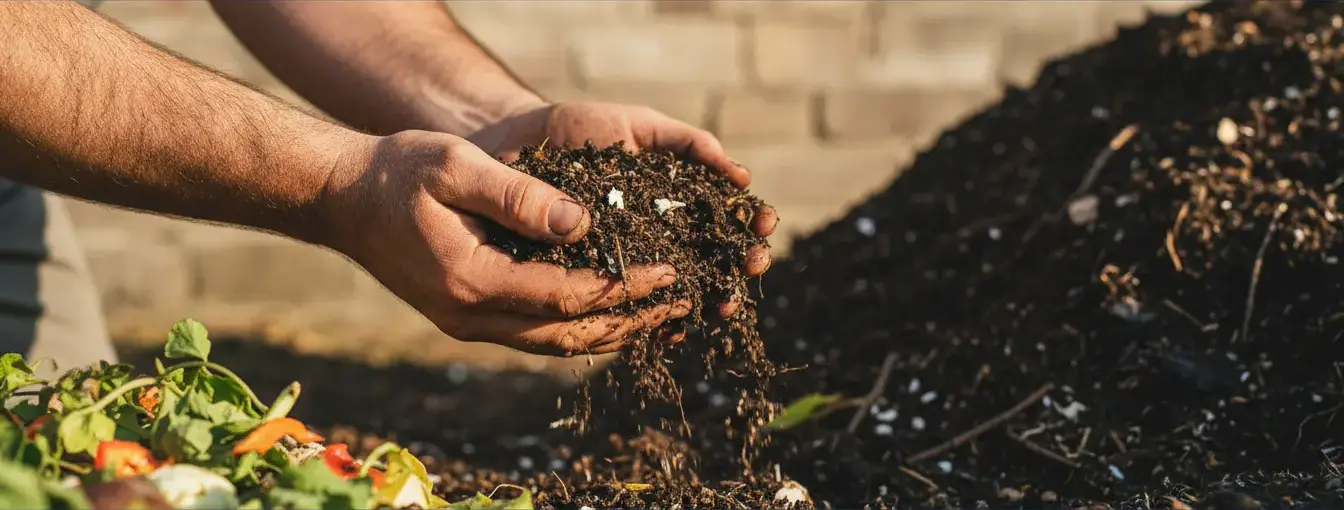
Stamford is actively working to reduce its environmental footprint by diverting organic material from landfills, and a key part of this effort is managing food scraps. For residents, the city offers a convenient drop-off program, while local businesses and institutions navigate a combination of private services and upcoming state regulations. Whether you're a homeowner looking to compost kitchen waste or a restaurant manager seeking compliant organics recycling, understanding the local landscape for food waste diversion is the first step toward a more sustainable operation. This guide outlines the available programs, rules, and practical steps for participating in Stamford's organics recycling initiatives.
Residential Food Scrap Recycling in Stamford
The cornerstone of Stamford's public program is the food scrap drop-off service at the Katrina Mygatt Recycling Center. This initiative allows all city residents to participate in organics recycling easily. The program accepts a wide variety of materials, making it user-friendly for households. You can bring all food waste, including items traditionally avoided in backyard compost piles like meat, fish, bones, dairy products, and cooked foods. Paper towels, napkins, and uncoated paper plates are also accepted, but shellfish shells are not 1.
To get started, residents need the proper containers. The city sells starter kits at cost, which typically include a small countertop bin for collecting scraps in the kitchen and a larger transport bin for carrying materials to the drop-off center. A critical requirement is that all food scraps must be placed in certified compostable bags before being deposited into the large collection carts at the center; using plastic bags contaminates the entire batch 2 3. The program's success in its first year demonstrates strong community engagement and provides a simple model for household participation in waste diversion 2.
Creative Waste Solutions
New York, NY
Creative Waste Solutions is a waste management company based in New York, NY, offering comprehensive services for businesses. Their offerings include used cooking oil collection, grease trap cleaning, food waste composting, solid waste and recyclables removal, e-waste disposal, and debris removal. They provide a single point of contact for businesses with multiple locations and operate with a network of trusted companies to manage waste efficiently. With decades of experience in the waste industry, Creative Waste Solutions develops tailored waste plans and ensures proper recycling and timely service. They also offer 24/7 availability to support their clients' waste management needs.
Royal Waste Services
187-40 Hollis Ave, Jamaica, NY 11423
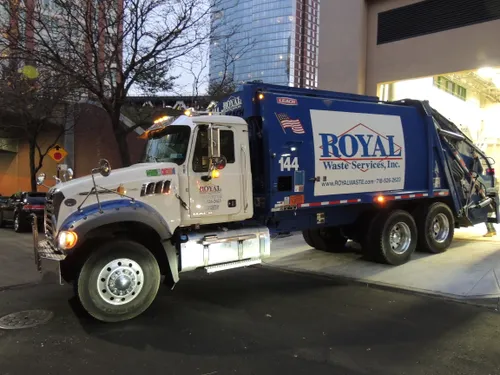
Royal Waste Services provides comprehensive waste management solutions in New York, NY, specializing in food waste composting, trash pickup, single stream recycling, dumpster rentals, and bulk waste removal. Serving Manhattan, Bronx, Brooklyn, and Queens, they operate 24/7 to support businesses with sustainable waste diversion strategies. With over 25 years of experience, Royal Waste owns and operates in-house recycling facilities to ensure environmentally responsible disposal and compliance with NYC commercial recycling laws.
For Businesses: Navigating Commercial Organics Recycling
For Stamford's restaurants, supermarkets, caterers, and other food-related businesses, food waste management involves private services and regulatory compliance. Connecticut's Commercial Organics Recycling Law is a significant driver for larger operations. Effective January 1, 2025, this mandate requires businesses that generate 26 tons or more of food scraps per year to separate and recycle those organics. This threshold applies to entities like food wholesalers, manufacturers, supermarkets, and large hospitality venues.
Businesses below this threshold, or those seeking more comprehensive service, typically contract with private hauling companies. Providers like Blue Earth Compost offer commercial food scrap collection services in the area. These services usually supply dedicated containers, such as 64- or 96-gallon carts, and specify the use of approved compostable liners. Pickup schedules are arranged based on the volume of waste generated, ranging from weekly to bi-weekly service. A major focus for any commercial service is preventing contamination-only accepted food scraps and approved liners should be in the bin, as plastics, glass, or liquids can lead to rejected loads or additional fees.
Understanding Costs and Logistics
The cost for commercial food waste recycling varies significantly based on volume, pickup frequency, and the chosen service provider. For a smaller restaurant, monthly fees can range from approximately $100 to several hundred dollars 4. It's important to view this as part of an overall waste management strategy: by diverting heavy, wet organics from the trash stream, businesses can often reduce the size or frequency of their garbage collection, potentially offsetting some of the cost of composting service 5. The state mandate also includes provisions for generators to self-transport their organics to permitted facilities, which could be a cost-saving option for some 6.
Find the perfect composting & food waste companies for your needs
Get personalized recommendations and expert advice
Steps to Implement a Food Waste Program
Whether for a home or a business, starting a food scrap recycling program involves a few key steps:
- Assess Your Volume: For businesses, this is the most crucial first step. Estimate your annual food waste output to determine if you will be subject to the state's 26-ton mandate. This is roughly equivalent to generating about 143 pounds of food scraps per day 7.
- Research and Contact Service Providers: If you are a resident, visit the city's website for details on bin sales and drop-off hours 8 9. For businesses, reach out to private haulers that service Stamford for quotes and service details. Comparing services, container options, and costs is essential.
- Train Your Team: Success depends on proper separation. Educate household members or staff on what materials are accepted and the importance of avoiding contamination. Clear signage and accessible collection bins in kitchens and prep areas are invaluable.
- Select Containers and Finalize Schedule: Choose the right-sized collection containers for your space and needs. For businesses, work with your hauler to establish a pickup schedule that matches your waste generation patterns to avoid overflow or odor issues 10.
The Benefits of Diverting Food Waste
Diverting food scraps from the trash has wide-reaching benefits. Environmentally, it reduces methane emissions from landfills, a potent greenhouse gas, and creates nutrient-rich compost that can improve soil health 11. For the city, successful programs help meet sustainability goals and can reduce long-term waste disposal costs. Stamford has even secured grant funding, like a recent $2 million EPA grant, to expand composting initiatives and community education 11. For businesses, beyond regulatory compliance, a strong sustainability program can enhance brand reputation and appeal to environmentally conscious customers and employees.
Frequently asked questions
Sources
Footnotes
-
How to Participate in Stamford's Food Scrap Recycling Program! - https://stamfordmoms.com/how-to-participate-in-stamfords-food-scrap-recycling-program/ ↩
-
Stamford's Food Scrap Recycling Program Sees Success In First Year - https://patch.com/connecticut/stamford/stamfords-food-scrap-recycling-program-sees-success-first-year ↩ ↩2
-
Stamford Food Scrap Recycling Initiative - ioby - https://ioby.org/project/stamford-food-scrap-recycling-initiative/ ↩
-
Food Scrap Collection for Composting - Blue Earth Compost ... - https://www.blueearthcompost.com/ ↩
-
CT Commercial Composting Law - Waste Free Greenwich - https://www.wastefreegreenwich.org/ct-commercial-composting-law ↩
-
Commercial Organics Recycling Law - CT.gov - https://portal.ct.gov/deep/waste-management-and-disposal/organics-recycling/commercial-organics-recycling-law ↩
-
Connecticut Organics Recycling Law - SCRRRA - https://www.scrrra.org/connecticut-organics-recycling-law/ ↩
-
Compost - Stamford, CT - https://www.stamfordct.gov/government/operations/recycling-and-sanitation/how-do-i/compost ↩
-
Stamford Food Waste Program - https://www.stamfordct.gov/government/operations/recycling-and-sanitation/about/stamford-food-scrap-recycling-initiative ↩
-
Residential Food Waste Town of Manchester - https://www.manchesterct.gov/Government/Departments/Public-Works/Sanitation-Division/Residential-Food-Waste ↩
-
Stamford looks to increase food composting with $2M grant - https://www.stamfordadvocate.com/news/article/stamford-composting-epa-mill-river-park-18547060.php ↩ ↩2