Find the Best Composting & Food Waste Companies for Your Business
No obligation • Fast responses • Nationwide coverage

Why you can trust Restaurant Waste Disposal
Restaurant Waste Disposal is a leading U.S. resource for comparing restaurant composting, food-waste recycling, grease trap cleaning, and used cooking oil collection services. Our editorial team researches providers, checks credentials, and organizes unbiased information so operators can make informed decisions. Companies cannot pay to change ratings or placement.
Search providers near you
Top Composting & Food Waste Companies in Southington, Connecticut Ranked
For restaurants in Southington, managing food scraps and organic waste is no longer just an environmental consideration-it's a regulatory and operational necessity. Connecticut's Commercial Organics Recycling Law (CORL) sets clear mandates for businesses generating significant volumes of food waste, including many restaurants. Navigating these requirements involves understanding state rules, exploring local hauling options, and implementing effective on-site separation practices to turn potential landfill material into valuable compost. This guide provides Southington restaurant owners and managers with the essential information needed to establish a compliant and cost-effective organics recycling program.

Blue Earth Compost
18 Midland St, Hartford, CT 06120
Blue Earth Compost provides food waste and composting services for restaurants in Hartford, CT. They focus on diverting food scraps from landfills to support environmental sustainability.
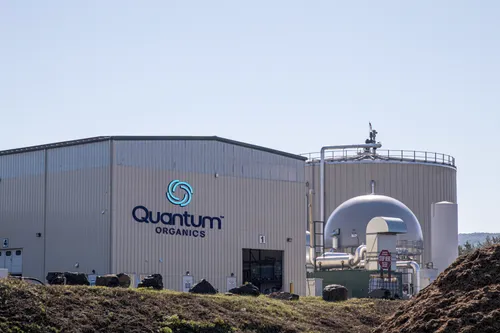
Quantum Organics
49 Depaolo Dr, Southington, CT 06489
Quantum Organics is based in Bristol, CT, specializing in food waste and composting services for restaurants and other organic waste generators. They use anaerobic digestion to convert organic waste into renewable energy and compost, supporting sustainability efforts for businesses, institutions, and municipalities. Their state-of-the-art recycling campus captures methane from waste to supply local renewable energy. With 40 years of experience, Quantum Organics offers tailored solutions to help clients reduce landfill use and improve sustainability.
Understanding Connecticut's Commercial Organics Recycling Law (CORL)
The cornerstone of food waste management for Connecticut businesses is CORL. This state mandate requires any commercial entity, including restaurants, that generates 26 tons or more of food scraps annually to source-separate these organics for recycling. The law is designed to divert organic material from waste-to-energy plants and landfills, aligning with broader state sustainability goals. It's crucial for Southington restaurant operators to estimate their annual food waste output to determine if they meet this threshold. Even if a restaurant generates slightly less than 26 tons, proactively implementing an organics diversion program can prepare for future regulatory changes and potentially lower overall waste disposal costs.
Restaurants subject to CORL must not only separate their food waste but also report their recycling activities to the Connecticut Department of Energy and Environmental Protection (DEEP). Compliance is not optional; it's embedded in "Recycling: It's the Law" for the state. The mandate represents a shift in how restaurants view their back-of-house operations, transforming food scraps from a disposal problem into a recyclable resource. Staying informed through official channels like the CT DEEP website is the first step toward compliance.
Local Program Options and Private Hauler Services in Southington
While the state sets the regulation, collection is typically handled at the local level. In Southington, most commercial food waste recycling is managed through private waste and recycling companies. It is advisable to check with the Town of Southington's Department of Public Works (DPW) for any municipal guidance or potential community initiatives, though commercial-scale collection is usually provided by private contractors.
Several regional and national haulers offer commercial organics collection services in the area. Companies like Republic Services, Waste Management, and specialized providers like BlueEarth have developed programs tailored to restaurant needs. These services are designed to handle the specific volume and contamination challenges of a food service environment. When evaluating haulers, restaurant managers should inquire about:
- Service area confirmation for Southington.
- Container provisioning and sizing.
- Pickup frequency flexibility.
- Contamination policies and educational support.
- Destination of the collected organics (e.g., local composting facility, anaerobic digester).
Securing quotes from multiple providers is the best way to compare service levels and pricing structures for your specific operation.
Setting Up Your On-Site Organics Recycling System
A successful program starts inside your restaurant. Proper setup minimizes contamination, ensures staff buy-in, and streamlines operations.
Choosing the Right Containers: Haulers typically supply dedicated containers for organics. These are often large, wheeled carts (e.g., 64-gallon or 96-gallon sizes) or even larger stationary dumpsters, frequently equipped with locking lids to control odor and pests. Internally, kitchens need strategically placed, clearly labeled collection bins for food scraps. Using small, lidded pails that are easy to empty into the main outdoor container is a common and effective practice.
Establishing Clear Contamination Guidelines: Contamination is the primary reason organics loads are rejected. Everyone on staff must know what can and cannot go into the food waste bin.
- Accepted Materials: Food scraps, plate scrapings, spoiled food, meat, bones, dairy, seafood, coffee grounds and filters, tea bags, and soiled paper products like uncoated napkins (always confirm specific items with your hauler).
- Prohibited Materials: Plastic bags (unless they are certified compostable and accepted by your hauler), liquids, oils, grease, Styrofoam, metal, glass, and any non-compostable packaging. A "when in doubt, throw it out" (to trash) mentality helps keep the organics stream clean.
Logistics and Pickup Schedules: Pickup frequency is determined by your restaurant's volume. A high-volume establishment may require service several times a week, while a smaller cafe might manage with weekly or bi-weekly pickups. Coordinating the pickup schedule with your hauler to align with your busiest prep and cleanup periods is key to avoiding overflow and maintaining a sanitary workspace.
Find the perfect composting & food waste companies for your needs
Get personalized recommendations and expert advice
Financial Considerations and Potential Cost Savings
Implementing a food waste recycling program involves costs, but it can also lead to significant savings and other benefits. The monthly fee for organics collection is influenced by volume, pickup frequency, and your chosen hauler 1. While this fee may be an additional line item, it is often offset by a reduction in the volume-and therefore the cost-of your traditional trash disposal. By diverting heavy, wet food waste, you may be able to downsize your garbage dumpster or reduce pickup frequency, directly lowering your solid waste bill.
Beyond direct cost avoidance, restaurants with robust sustainability programs often see indirect benefits. These can include enhanced brand reputation, appeal to environmentally conscious customers, and potential eligibility for local or state incentives aimed at waste reduction. Calculating your total cost of waste management (trash + recycling + organics) before and after implementing a program will give you the clearest picture of the financial impact.
Steps to Launch Your Restaurant's Program
Taking a structured approach will smooth the transition to food waste recycling.
- Conduct a Waste Audit: Estimate your current food waste generation. Track scraps over a representative week to project your annual tonnage and confirm your CORL status.
- Research and Contact Haulers: Reach out to at least two or three service providers, such as Republic Services, Waste Management, or BlueEarth, to discuss your needs and request detailed quotes.
- Review Municipal Resources: Visit the official Town of Southington website and consult the DPW section for any local regulations, resources, or potential partnerships that could assist your business 2.
- Develop an Internal Rollout Plan: Order internal collection bins, create simple training materials and signage, and schedule a staff meeting to explain the "why" and the "how" of the new system.
- Go Live and Monitor: Launch the program, monitor for contamination issues, and provide ongoing feedback to your team. Maintain open communication with your hauler to adjust service as needed.
By following these steps, Southington restaurants can turn a regulatory requirement into an operational advantage, contributing to a cleaner community and a more sustainable food system.
Frequently asked questions
Sources
Footnotes
-
Connecticut Organics Recycling Law - SCRRRA - https://www.scrrra.org/connecticut-organics-recycling-law/ ↩
-
Recycling Its the Law - CT.gov - https://portal.ct.gov/deep/reduce-reuse-recycle/recycling-its-the-law ↩