Find the Best Composting & Food Waste Companies for Your Business
No obligation • Fast responses • Nationwide coverage

Why you can trust Restaurant Waste Disposal
Restaurant Waste Disposal is a leading U.S. resource for comparing restaurant composting, food-waste recycling, grease trap cleaning, and used cooking oil collection services. Our editorial team researches providers, checks credentials, and organizes unbiased information so operators can make informed decisions. Companies cannot pay to change ratings or placement.
Search providers near you
Top Composting & Food Waste Companies in Greenwich, Connecticut Ranked
Greenwich, Connecticut, is a community actively engaged in managing its organic waste, with distinct pathways for residents and commercial entities like restaurants. For residents, the town offers a voluntary food scrap drop-off program, providing a convenient way to divert waste from landfills. For the local restaurant industry, participation is often not just an environmental choice but a legal requirement under Connecticut state law. Navigating the rules for commercial food scrap recycling, finding a licensed hauler, and understanding contamination standards are essential steps for any food service business aiming to operate sustainably and in compliance. This guide outlines the key programs, regulations, and resources for managing organic waste in Greenwich.
Community Compost Company
1501 Madison St, Hoboken, NJ 07030
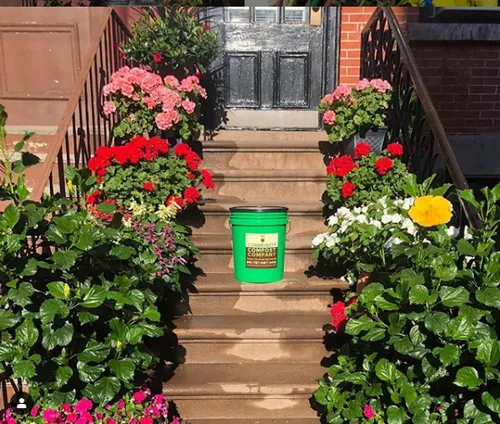
Community Compost Company provides food waste collection and composting services for restaurants and residents in New York, NY. They offer a simple system where customers collect food scraps in provided buckets for weekly pickup. The company recycles all types of food waste, including meats and dairy, transforming it into nutrient-rich compost that supports soil health and reduces landfill waste. Community Compost Company is committed to environmental education and making composting accessible to everyone.
Royal Waste Services
187-40 Hollis Ave, Jamaica, NY 11423
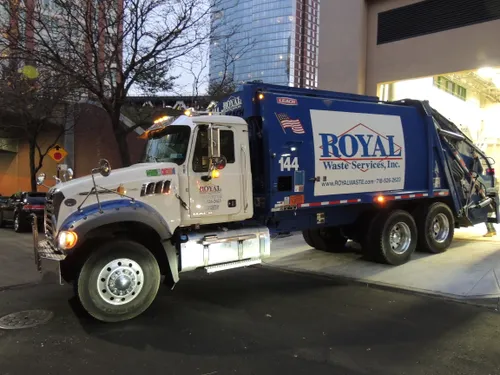
Royal Waste Services provides comprehensive waste management solutions in New York, NY, specializing in food waste composting, trash pickup, single stream recycling, dumpster rentals, and bulk waste removal. Serving Manhattan, Bronx, Brooklyn, and Queens, they operate 24/7 to support businesses with sustainable waste diversion strategies. With over 25 years of experience, Royal Waste owns and operates in-house recycling facilities to ensure environmentally responsible disposal and compliance with NYC commercial recycling laws.
Understanding Connecticut's Commercial Organics Recycling Law (CORL)
For restaurants and other food-generating businesses in Greenwich, the landscape for food waste management is defined by Connecticut's Commercial Organics Recycling Law (CORL). This mandate requires covered entities to source-separate and recycle their pre- and post-consumer food scraps. The law applies to businesses that generate a significant volume of organic waste, specifically those producing 26 tons or more per year. This threshold is met by many full-service restaurants, large cafeterias, hotels, and supermarkets. The goal of the law is to divert this nutrient-rich material from waste-to-energy plants and landfills, where it contributes to methane emissions, and instead channel it into productive uses like composting or anaerobic digestion.
Who is Affected in Greenwich?
If your Greenwich restaurant or food service operation is assessing its waste hauling bills and volume, it's crucial to determine if you meet the 26-ton annual threshold. This is not an uncommon volume for a busy establishment. The law covers generators located within 20 miles of an authorized composting or anaerobic digestion facility, which includes Greenwich given its proximity to facilities like the Adirondack Worm Farm and others in the region 1. Non-compliance can result in fines, making it imperative for business owners to understand their obligations.
Program Options: Residential vs. Commercial
The Town of Greenwich manages organic waste through two primary streams: a voluntary drop-off for residents and a mandated pickup service for qualifying businesses.
For Greenwich Residents: Voluntary Drop-Off
Residents can participate in the town's food scrap recycling program by bringing their organic waste to designated locations. The primary site is the Holly Hill Resource Recovery Facility, though a permit is required for access. Seasonal satellite drop-off spots, such as local churches, may also be available 2.
Accepted Materials: The program accepts a wide range of materials, including fruit and vegetable scraps, meat, bones, dairy products, bread, coffee grounds with filters, tea bags, paper napkins, and paper towels 3. It's critical to avoid contamination; plastic bags, packaging, stickers, and non-compostable serviceware are not allowed 4. Residents typically transport scraps in their own buckets or containers to pour into the centralized totes at the drop-off point 5.
For Greenwich Restaurants & Businesses: Mandated Hauler Services
Commercial entities subject to CORL cannot use the residential drop-off. Instead, they must contract with a private, licensed organics hauler for regular pickup services 6. These haulers are equipped to handle the larger volumes and specific needs of a commercial kitchen.
How It Works: After signing a contract, the hauler will provide appropriate collection containers, such as 64-gallon wheeled totes or even dumpsters, depending on your establishment's output. They will establish a pickup schedule-often weekly or more frequently-to ensure scraps are collected before they create odor or pest issues. The hauler then transports the material to a state-approved processing facility.
Find the perfect composting & food waste companies for your needs
Get personalized recommendations and expert advice
Implementing a Restaurant Food Waste Program
Starting a commercial composting program involves several key steps, from internal sorting to selecting the right service partner.
1. Conduct a Waste Audit: Before contacting haulers, assess your waste stream. Track how much food waste you generate in a week to estimate your annual tonnage and determine your exact needs for container size and pickup frequency.
2. Source Separation and Staff Training: The cornerstone of a successful program is keeping food scraps clean and separate from trash and recycling. This requires:
- Placing clearly labeled collection bins in key areas: prep stations, dish pits, and behind service counters.
- Training all staff, from dishwashers to chefs, on what can and cannot go into the compost stream. Emphasize the importance of avoiding plastic, glass, and metal contamination.
- Using certified compostable bags or liners in kitchen bins if your hauler permits them, to make collection cleaner and easier.
3. Container Management and Storage: Work with your hauler to determine the best container solution. You'll need a designated, accessible outdoor area for the hauler-provided cart or dumpster. Proper sealing and regular pickup are essential for maintaining sanitation.
Costs and Considerations for Businesses
The cost for commercial food scrap collection in Greenwich is not set by the town and varies by service provider. Factors influencing price include:
- Volume of Waste: The more you generate, the larger the container and/or the more frequent pickups you'll need.
- Frequency of Service: Weekly pickups are standard, but some businesses may require twice-weekly service.
- Hauler Rates and Competition: Prices are set by individual private haulers servicing the area.
While there is a new monthly fee for the organics collection service, many businesses find it is partially or fully offset by a reduction in their traditional trash disposal costs. By diverting heavy, wet food scraps from the trash stream, you may be able to downsize your garbage dumpster or reduce the frequency of trash pickups, leading to net savings 7. For a small to mid-sized restaurant, monthly costs can range significantly, often estimated between $100 to $500 or more, depending on the specific variables mentioned 7. The only way to get a precise quote is to contact local haulers directly.
Benefits Beyond Compliance
Adhering to CORL is mandatory for many, but the benefits of a robust food scrap recycling program extend far beyond legal compliance.
- Environmental Leadership: Demonstrates a commitment to sustainability that resonates with a growing segment of environmentally conscious customers.
- Waste Cost Management: As mentioned, can lead to lower overall waste management expenses.
- Improved Operational Efficiency: The process of auditing and separating waste often reveals opportunities to reduce food waste at the source, saving money on food purchases.
- Community Image: Positions your business as a responsible community partner invested in Greenwich's environmental goals.
Local Resources and Next Steps
Navigating these requirements is easier with local support. Waste Free Greenwich is a vital nonprofit resource that provides clear guidance for both residents and businesses on organics recycling 8. For restaurant owners, they offer information on CORL and can help direct you to local service providers 8.
Your next step should be to contact:
- Waste Free Greenwich: For referrals to licensed haulers operating in the area.
- The Town of Greenwich Department of Public Works (DPW): For official information and any updates on local regulations or programs 9.
- Local Haulers: Reach out to several licensed organics haulers (such as those partnered with facilities like Adirondack Worm Farm) to request quotes and service details tailored to your business 10.
By proactively engaging with these resources, Greenwich restaurants can turn a regulatory requirement into a positive pillar of their operational and environmental strategy.
Frequently asked questions
Sources
Footnotes
-
Connecticut Organics Recycling Law - SCRRRA - https://www.scrrra.org/connecticut-organics-recycling-law/ ↩
-
Greenwich Food Scrap Recycling Program - https://www.wastefreegreenwich.org/rot ↩
-
How to dispose of or recycle Food Scraps - Default V2 - Greenwich, CT - https://www.greenwichct.gov/268/Recycling#!rc-cpage=619263 ↩
-
Town of Greenwich Department of Environmental Affairs - https://portal.ct.gov/-/media/deep/financial-assistance/grants-and-financial-assistance/mmi/greenwich_mmi_grant.pdf?rev=ab343b4ac925434ba241e211b988fbdb&hash=D3CBFB67C7148D22820DE7B0F406967E ↩
-
Greenwich's new food-scrap recycling program makes 'a huge jump' - https://www.greenwichtime.com/local/article/Greenwich-s-new-food-scrap-recycling-program-15549674.php ↩
-
Commercial Organics Recycling Law - https://portal.ct.gov/deep/waste-management-and-disposal/organics-recycling/commercial-organics-recycling-law ↩
-
What is Restaurant Composting? - Benefits & How It Works - https://www.webstaurantstore.com/article/60/restaurant-composting.html ↩ ↩2
-
CT Commercial Composting Law - Waste Free Greenwich - https://www.wastefreegreenwich.org/ct-commercial-composting-law ↩ ↩2
-
Recycling - Greenwich, CT - https://www.greenwichct.gov/268/Recycling ↩
-
Food & Compost - Greenwich Free Library - https://greenwichfreelibrary.org/food-compost/ ↩