Find the Best Composting & Food Waste Companies for Your Business
No obligation • Fast responses • Nationwide coverage

Why you can trust Restaurant Waste Disposal
Restaurant Waste Disposal is a leading U.S. resource for comparing restaurant composting, food-waste recycling, grease trap cleaning, and used cooking oil collection services. Our editorial team researches providers, checks credentials, and organizes unbiased information so operators can make informed decisions. Companies cannot pay to change ratings or placement.
Search providers near you
Top Composting & Food Waste Companies in East Hartford, Connecticut Ranked
For restaurants and food service businesses in East Hartford, managing organic waste is no longer just an environmental consideration-it's a growing operational and regulatory necessity. Connecticut's forward-thinking commercial organics recycling law is reshaping how establishments handle food scraps, spoiled inventory, and other compostable materials. While the town offers a convenient drop-off pilot for residents, commercial entities must navigate private hauling services and state mandates to develop an effective food waste diversion strategy. This guide outlines the pathways, requirements, and best practices for implementing a successful organics recycling program in your East Hartford restaurant.

Blue Earth Compost
18 Midland St, Hartford, CT 06120
Blue Earth Compost provides food waste and composting services for restaurants in Hartford, CT. They focus on diverting food scraps from landfills to support environmental sustainability.
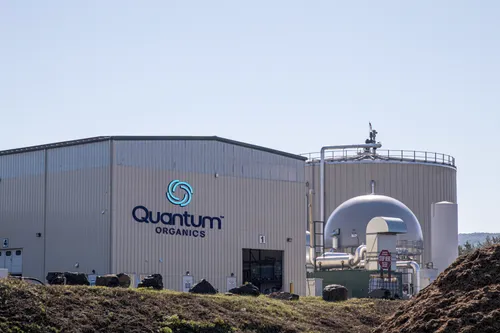
Quantum Organics
49 Depaolo Dr, Southington, CT 06489
Quantum Organics is based in Bristol, CT, specializing in food waste and composting services for restaurants and other organic waste generators. They use anaerobic digestion to convert organic waste into renewable energy and compost, supporting sustainability efforts for businesses, institutions, and municipalities. Their state-of-the-art recycling campus captures methane from waste to supply local renewable energy. With 40 years of experience, Quantum Organics offers tailored solutions to help clients reduce landfill use and improve sustainability.
Understanding Connecticut's Commercial Organics Mandate
A key driver for commercial food scrap recycling in East Hartford is state law. The Connecticut Department of Energy and Environmental Protection (DEEP) has established regulations requiring large generators of source-separated organic waste to recycle these materials 1. By 2025, businesses, including supermarkets, food manufacturers, and potentially large-scale restaurants and institutions, that generate 26 tons or more per year of organic waste must ensure it is sent to a permitted composting or anaerobic digestion facility 1 2. This mandate is designed to significantly reduce the volume of material entering landfills and incinerators. Even if your establishment does not yet meet this threshold, proactive participation in organics recycling can reduce waste disposal costs, enhance sustainability credentials, and prepare for future regulatory changes.
Commercial Service Options for Restaurants
Since the municipal drop-off program is designed for residents, East Hartford restaurants and commercial kitchens must contract with private haulers for food scrap collection 3. These specialized service providers handle the logistics of commercial-scale organics recycling.
Finding a Service Provider Several regional haulers service the Greater Hartford area, including companies like Blue Earth Compost and Shyft 4. These providers offer tailored services for food service businesses. The process typically begins with a consultation to assess your establishment's waste volume, kitchen layout, and operational flow. The hauler will then recommend a collection schedule (e.g., weekly, bi-weekly, or daily) and provide the necessary collection containers.
Containers and Collection Logistics For restaurants, food scrap collection usually involves wheeled totes ranging from 32 to 90 gallons in size. To maintain cleanliness and simplify the transfer of waste, many haulers recommend or provide biodegradable, BPI-certified compostable liners for these containers. Proper placement of these totes-often in a kitchen prep area and at the loading dock-is crucial for staff adoption and efficient sorting. The hauler will then collect these totes on the agreed-upon schedule, transporting the contents to a permitted composting facility.
What Can and Cannot Be Composted Commercially?
Preventing contamination is the single most important factor for a successful commercial composting program. Contaminated loads can be rejected by processing facilities, leading to disposal fees and undermining your recycling efforts. The accepted materials list for a commercial hauler is typically broader than for a backyard compost bin, but strict rules still apply.
Accepted Food Scraps & Materials:
- Food Prep Waste: Vegetable peels, fruit cores, eggshells, and coffee grounds.
- Spoiled or Discarded Food: Old produce, expired dairy products, and leftover cooked foods (including meat and bones, which are often accepted in commercial systems).
- Compostable Serviceware: Items that are BPI-certified compostable, such as certain plates, cups, and utensils (always verify with your hauler).
- Approached Paper Products: Uncoated paper towels, napkins, coffee filters, and unlined paper carry-out trays 5.
- Waxed Cardboard: Like that used for produce boxes (confirm with provider).
Common Contaminants to Exclude:
- Plastics: All conventional plastic bags, packaging, wrap, and utensils. Only BPI-certified compostable bags are acceptable 6.
- Liquids: Oils, soups, and beverages must be disposed of separately.
- Non-Compostable Materials: Glass, metals, styrofoam, rubber bands, and twist ties 7 8.
- Treated Paper: Plastic-coated or waxed paper that is not certified compostable.
Clear signage and staff training are essential to ensure kitchen and front-of-house teams understand what goes into the compost tote versus the trash or recycling bin.
Find the perfect composting & food waste companies for your needs
Get personalized recommendations and expert advice
Building an Effective Kitchen Workflow
Implementing organics recycling requires more than just placing a new bin; it requires integrating new habits into your daily operations.
- Conduct a Waste Audit: Before calling a hauler, spend a week observing your trash. Identify what types of food waste you generate most (e.g., prep scraps, plate waste, spoiled inventory) and estimate the volume. This information is invaluable when discussing service levels with providers.
- Choose Strategic Bin Locations: Place small, lidded collection pails lined with compostable bags at every prep station, the dishwashing area, and behind the counter. A larger wheeled tote should be stationed in a convenient spot, like near the back door or dumpster enclosure, for consolidating the smaller pails.
- Train Your Team Thoroughly: Hold a brief training session for all staff. Use visual aids showing accepted and prohibited items. Make the head chef or kitchen manager the program champion to ensure ongoing compliance.
- Monitor and Adjust: Check the compost bins periodically for contamination. Provide positive feedback when the system works well and retrain if issues arise. A clean, odor-free system is a used system.
The Financial and Brand Benefits
While there is a cost associated with private hauling services, a well-run organics program can offer financial and strategic advantages.
- Potential Cost Savings: By diverting heavy, wet food waste from your trash, you may be able to reduce the size or frequency of your garbage dumpster service, potentially offsetting the cost of compost collection.
- Regulatory Preparedness: Proactively establishing a program ensures compliance as state regulations evolve and potentially include smaller generators in the future 9.
- Enhanced Sustainability Profile: Today's diners increasingly value environmentally responsible businesses. Promoting your food waste diversion efforts can strengthen your brand, attract a conscientious clientele, and meet the criteria for certain green business certifications.
- Supporting the Local Economy: The compost created from your food scraps is often sold to local farms, nurseries, and landscapers, closing the nutrient loop in the regional community.
Taking the step to manage food waste responsibly aligns your East Hartford restaurant with both state environmental goals and modern consumer expectations, positioning your business as a community leader in sustainability.
Frequently asked questions
Sources
Footnotes
-
Commercial Organics Recycling Law - CT.gov - https://portal.ct.gov/deep/waste-management-and-disposal/organics-recycling/commercial-organics-recycling-law ↩ ↩2
-
CT Commercial Composting Law - Waste Free Greenwich - https://www.wastefreegreenwich.org/ct-commercial-composting-law ↩
-
Waste Services | easthartfordct - https://www.easthartfordct.gov/waste-services ↩
-
Food Scrap Collection for Composting - Blue Earth Compost ... - https://www.blueearthcompost.com/ ↩
-
Commercial Institutional Food Waste Collection and Composting - https://portal.ct.gov/DEEP/Waste-Management-and-Disposal/Organics-Recycling/Commercial--Institutional-Food-Waste-Collection-and-Composting ↩
-
Organics (Food Scraps) - HRRA.org - https://hrra.org/organics-food-scraps/ ↩
-
East Hartford Food Scrap Recycling Guide - https://www.easthartfordct.gov/waste-services/files/east-hartford-food-scrap-recycling-guide ↩
-
Organics (Food Scraps) - Ridgefield - https://hrra.org/organics-food-scraps-ridgefield/ ↩
-
Hartford's Complete Commercial Composting Compliance Guide - https://www.myshyft.com/blog/commercial-composting-pickup-service-contracts-hartford-connecticut/ ↩