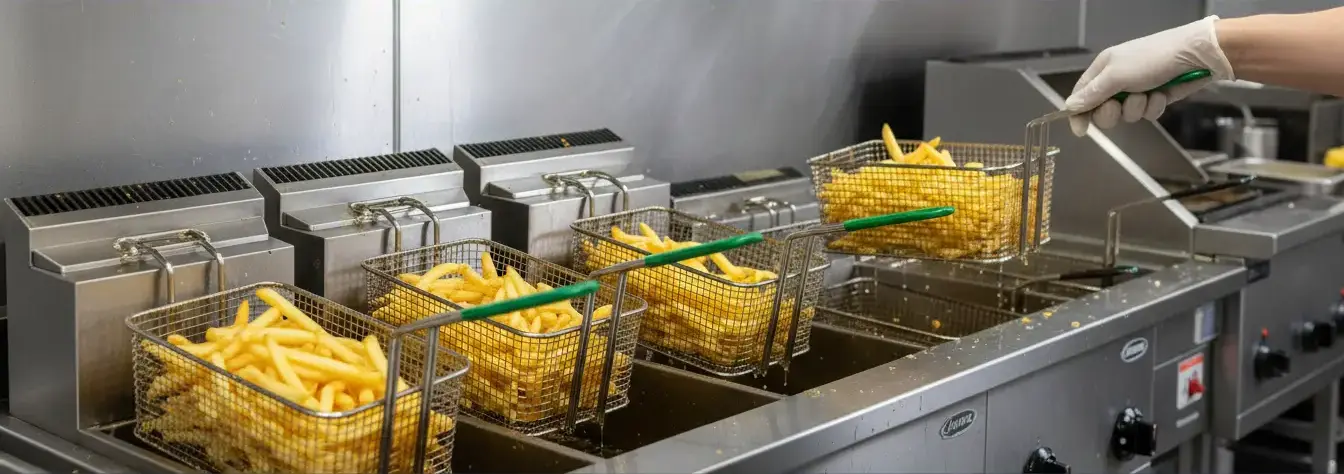
Find the Best Used Cooking Oil Collection Companies for Your Business
No obligation • Fast responses • Nationwide coverage

Why you can trust Restaurant Waste Disposal
Restaurant Waste Disposal is a leading U.S. resource for comparing restaurant composting, food-waste recycling, grease trap cleaning, and used cooking oil collection services. Our editorial team researches providers, checks credentials, and organizes unbiased information so operators can make informed decisions. Companies cannot pay to change ratings or placement.
Search providers near you
Top Used Cooking Oil Collection Companies in Suffolk, Virginia Ranked
For restaurants and food service establishments in Suffolk, managing used cooking oil (UCO) is a critical operational task that intersects with safety, compliance, and even potential revenue. Proper collection and disposal of this waste grease are governed by specific Virginia state regulations and are essential for preventing costly sewer blockages, maintaining a clean and safe kitchen environment, and contributing to a circular economy. By partnering with a licensed collector, Suffolk businesses can transform a waste product into a valuable resource for biodiesel production, ensuring their operations are both efficient and environmentally responsible. This guide outlines the key steps, legal requirements, and local service options for effective used cooking oil management in Suffolk.
Understanding Virginia's Regulations for Waste Kitchen Grease
In Virginia, the collection and transportation of used cooking oil are regulated under the Code of Virginia, specifically Chapter 55.1: Waste Kitchen Grease. The Virginia Department of Agriculture and Consumer Services (VDACS) is the governing body that licenses and registers transporters of this material 1. For any Suffolk restaurant, the first and most crucial step is to verify that your chosen collection service is properly registered with VDACS. Licensed transporters are required to display decals on their vehicles and provide you with proper documentation, often called a manifest or bill of lading, for each pickup 1. This paperwork is vital for your records and may be requested during health or environmental inspections, proving that your waste oil is being handled legally and diverted from landfills and sewers.
It is illegal in Virginia to dispose of used cooking oil down any drain, storm sewer, or with regular solid waste 2. Violations can lead to significant fines and environmental damage. Furthermore, storage of flammable materials like cooking oil falls under state safety codes, such as § 45.2-823, which outlines requirements for safe storage areas. Adhering to these laws not only keeps your business compliant but also protects Suffolk's municipal infrastructure and local waterways.
Best Practices for On-Site Storage and Handling
Proper on-site management is the foundation of a successful used cooking oil collection program. Safe and compliant storage minimizes risks and ensures the oil maintains its quality for recycling.
- Use Approved Containers: Always store cooled used oil in dedicated, sealable containers provided by or approved by your collection service. These are typically sturdy, leak-proof plastic or metal drums or caddies designed to prevent spills and contamination 3. Never use makeshift containers that can degrade, leak, or break.
- Designate a Secure Storage Area: Establish a specific, secure location for your full containers, often near a rear delivery door for easy access by collectors. The area should be well-ventilated if indoors and protected from the elements if outdoors. Lids must be kept securely fastened to prevent rainwater from diluting the oil (which reduces its recycling value) and to deter pests 4 5.
- Prioritize Safety: Allow oil to cool below 120°F before transferring it to storage containers to prevent burns or fire hazards 6. Employees handling oil should wear appropriate personal protective equipment (PPE), such as heat-resistant gloves and aprons. Clear signage and training can help prevent accidents and ensure consistent practices across your staff.
The Collection and Recycling Process in Suffolk
Once your oil is safely stored, the collection process is straightforward. Reputable local providers manage the logistics, making it a hands-off operation for your kitchen staff.
- Scheduling Service: After selecting a provider, you'll agree on a pickup schedule-whether weekly, bi-weekly, or monthly-based on your volume of oil production. Consistent, scheduled pickups prevent overflow and maintain cleanliness.
- The Pickup: On the scheduled day, a service technician will arrive, typically using a specialized truck equipped with pumps and storage tanks. They will empty your containers, provide you with a clean replacement if needed, and issue documentation for the transaction.
- Transformation to Biofuel: The collected oil is transported to a processing facility where it is cleaned and converted into biodiesel, a renewable fuel. This process ensures the waste product from Suffolk's restaurants is put to productive use, reducing reliance on fossil fuels.
Cost Structure and Potential Revenue
The financial model for used cooking oil collection is typically volume-based. For most Suffolk restaurants, the service is provided at little to no direct cost, and can even generate income.
- Revenue Generation: Establishments that generate significant volumes of high-quality, uncontaminated used cooking oil can often receive payment for their oil. The price per gallon fluctuates with the commodities market but can provide a modest revenue stream or offset other waste management costs 7 8.
- Fee-Based Services: Smaller operations or those with lower oil output may have a service fee for collection. This fee covers the cost of the containers, transportation, and recycling. Some providers may offer tiered pricing where the fee is waived once a certain volume threshold is met.
- Understanding Contracts: It's important to review service agreements carefully. Some companies may require long-term contracts, while others offer more flexible month-to-month services. Always clarify terms related to pricing, schedule changes, and equipment provided.
Find the perfect used cooking oil collection companies for your needs
Get personalized recommendations and expert advice
Local Service Providers for Suffolk Restaurants
Several reputable companies service the Suffolk and greater Hampton Roads area, offering compliant used cooking oil collection.
- Clean Energy Biofuels: This provider specializes in the collection of used cooking oil specifically for biodiesel production and services the Suffolk area 9. They focus on creating a closed-loop recycling system for local restaurants.
- Greasecycle: A family-owned business serving Hampton Roads and Richmond, Greasecycle offers comprehensive used cooking oil recycling and grease trap cleaning services 10 11. They emphasize customer service and providing the necessary documentation for regulatory compliance.
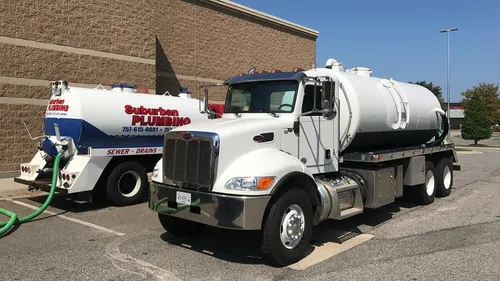
- Suburban Plumbing: While known for plumbing services, this Hampton Roads company also offers waste oil collection and grease trap cleaning for restaurants, providing a bundled service option for local businesses.
Distinguishing Between Grease Trap and Cooking Oil Services
A common point of confusion is the difference between grease trap (or FOG trap) maintenance and used cooking oil collection. They manage two distinct waste streams:
- Used Cooking Oil (UCO): This is the relatively clean, free-flowing oil that has been used for frying and is collected from fryers. It is stored in above-ground containers and picked up for recycling.
- Grease Trap Waste: This is the congealed fats, oils, and grease (FOG) that are washed down sinks and dish pits, captured in an underground interceptor tank. This material must be pumped out by a separate service and is typically sent to a rendering plant or wastewater treatment facility, not for biodiesel.
A well-maintained kitchen will have a scheduled service plan for both systems to ensure complete compliance and operational hygiene 12 13.
Frequently asked questions
Sources
Footnotes
-
Transporters of Waste Kitchen Grease - https://www.vdacs.virginia.gov/food-transporters-waste-kitchen-grease.shtml ↩ ↩2
-
Code of Virginia Code - Chapter 55.1. Waste Kitchen Grease - https://law.lis.virginia.gov/vacodefull/title3.2/chapter55.1/ ↩
-
Used Cooking Oil (UCO) Collection Service For Restaurants - https://thegreasecompany.com/blog/restaurant-used-cooking-oil-collection/ ↩
-
Used Cooking Oil Disposal: Complete Guide to Grease Pickups - https://greaseconnections.com/used-cooking-oil-disposal-guide-grease-pickups/ ↩
-
Restaurant Oil Disposal: Explained - Eazy Grease - https://eazygrease.com/how-do-restaurants-get-rid-of-their-oil/ ↩
-
Navigating Legal Requirements for Used Cooking Oil Disposal - https://bakercommodities.com/blog/2024/02/08/legal-requirement-used-cooking-grease/ ↩
-
Used Cooking Oil Pickup vs Drop-Off - GreasePros Recycling - https://www.greaseprosrecycling.com/used-cooking-oil-pickup-vs-drop-off/ ↩
-
Restaurant Used Cooking Oil Recycling & Disposal Guide - https://greaseconnections.com/restaurant-used-cooking-oil-disposal-recycling-revenue-guide/ ↩
-
Suffolk VA Used Cooking Oil Collector - Clean Energy Biofuels - https://cleanenergybiofuels.com/virginia/suffolk-va-used-cooking-oil-collector/ ↩
-
Used Cooking Oil Recycling & Pickup for Restaurants | NC, SC, VA - https://grease-cycle.com/ ↩
-
Virginia Restaurant Grease & Used Cooking Oil Services - https://grease-cycle.com/virginia/ ↩
-
Waste Oil Collection & Removal for Restaurants | Virginia Beach - https://suburbanplumbingco.com/waste-oil-collection/ ↩
-
§ 45.2-823. Storage and use of flammable fluids and materials - https://law.lis.virginia.gov/vacode/title45.2/chapter8/section45.2-823/ ↩