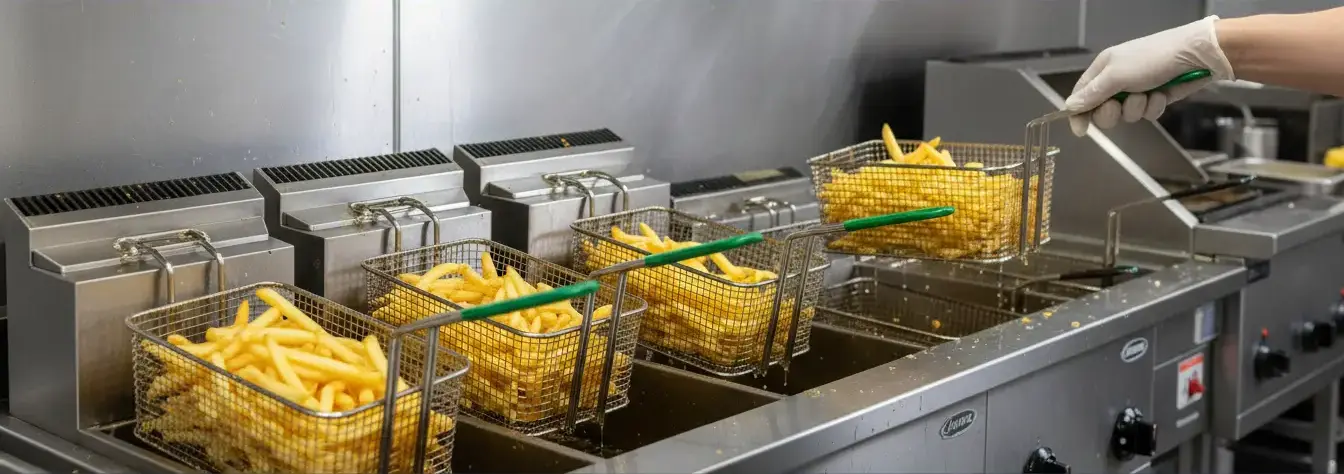
Find the Best Used Cooking Oil Collection Companies for Your Business
No obligation • Fast responses • Nationwide coverage

Why you can trust Restaurant Waste Disposal
Restaurant Waste Disposal is a leading U.S. resource for comparing restaurant composting, food-waste recycling, grease trap cleaning, and used cooking oil collection services. Our editorial team researches providers, checks credentials, and organizes unbiased information so operators can make informed decisions. Companies cannot pay to change ratings or placement.
Search providers near you
Top Used Cooking Oil Collection Companies in Norfolk, Virginia Ranked
For restaurants and food service establishments in Norfolk, managing used cooking oil is a critical operational and environmental responsibility. Proper collection and recycling of this waste grease not only helps businesses comply with local and state regulations but also transforms a waste product into valuable resources like biodiesel. Navigating the requirements for registration, storage, and pickup is essential for smooth operations and can even create a potential revenue stream. This guide outlines the key steps and best practices for effective waste oil management in the city.
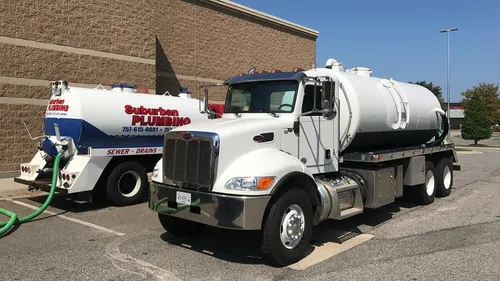
Understanding Norfolk's FOG Regulations
In Norfolk, waste kitchen grease is regulated under the city's Fats, Oils, and Grease (FOG) program, designed to protect the sewer system from blockages and overflows. Compliance is not optional; it's a mandated part of operating a food service business. The rules are specific and require attention to detail to avoid violations and potential fines.
The cornerstone of compliance is registration. All Grease Control Devices (GCDs), which include grease traps and interceptors, must be registered with the City of Norfolk. Furthermore, any business that transports waste kitchen grease off-site must ensure their hauler is registered with the Virginia Department of Agriculture and Consumer Services (VDACS). This creates a chain of accountability from your kitchen to the recycling facility.
Key Regulatory Requirements:
- Employee Certification: At least one employee on-site must be certified in Best Management Practices (BMP) for FOG.
- Record Keeping: Detailed logs for all grease trap cleanings and used oil collections must be maintained on the premises for a minimum of three years and made available for inspection1.
- Hauler Verification: Always use a transporter displaying a valid VDACS decal, confirming they are authorized to handle waste kitchen grease in Virginia.
Best Practices for On-Site Storage and Handling
Proper handling and storage of used cooking oil before pickup are vital for safety, maintaining oil quality, and ensuring efficient service. Poor practices can lead to spills, contamination, and reduced value of the oil for recycling.
The first rule is to let the oil cool completely, ideally below 120°F, before transferring it from fryers to storage containers. This prevents burns and damage to collection bins. Scrape solid fats and food particulates into separate waste bins rather than mixing them with the liquid oil, as this improves the purity and recyclability of the oil.
Storage Container Guidelines:
- Use Dedicated Containers: Only use containers provided by or approved by your licensed collection service.
- Keep Them Covered: Lids must be secure to prevent rainwater contamination and to deter pests and unauthorized access.
- Choose a Secure Location: Place containers in a well-ventilated area, preferably indoors or in a secured enclosure, near your back door or loading dock for easy access by haulers2.
- Prepare for Spills: The storage area should have spill containment measures, such as a drip pan or absorbent materials, readily available.
Find the perfect used cooking oil collection companies for your needs
Get personalized recommendations and expert advice
The Collection and Recycling Process
Once your used oil is properly stored, the collection process is straightforward. A licensed hauler will provide you with appropriate containers based on your volume-typically ranging from small barrels to large dumpster-style bins-and establish a regular pickup schedule.
On collection day, the hauler's driver, working for a VDACS-registered transporter, will safely pump or remove the oil from your containers. The oil is then transported to a processing facility. There, it undergoes filtering to remove food particles and water, assessing its quality for the next stage: transformation.
This is where waste becomes a resource. The cleaned used cooking oil is a primary feedstock for the production of biodiesel, a cleaner-burning renewable fuel3 4. It can also be refined into industrial lubricants, animal feed supplements, or even ingredients for soap and cosmetics5 6. By participating in this cycle, Norfolk businesses directly contribute to a circular economy and reduce environmental impact.
Financial Considerations: Costs and Potential Revenue
The economics of used cooking oil collection in Norfolk can vary. For establishments generating smaller volumes (often under 100 gallons), many collection services offer free pickup as the value of the recycled commodity covers their service costs.
For larger producers, the financial model often hinges on the quality of the oil. Clean, well-handled oil free from contaminants has higher value. Many services operate on a rebate system, where the restaurant can earn a payment per gallon collected, which can range from $0.10 to $0.65 per gallon depending on market conditions and oil quality7 8. This rebate can effectively offset any service fees or, in some cases, generate a modest revenue stream. Conversely, poor-quality oil may incur a disposal fee. The key to maximizing value is strict adherence to proper storage and handling protocols.
Benefits of a Professional Collection Service
Partnering with a reliable, licensed used cooking oil collection service provides significant advantages beyond mere compliance.
- Regulatory Assurance: Professional services handle the transportation logistics with registered vehicles, ensuring that chain-of-custody documentation is accurate and complete for your required records9.
- Safety and Convenience: They manage the heavy lifting, spill risks, and logistics of storage container maintenance and pickup.
- Environmental Stewardship: You gain the certainty that your waste is being converted into renewable fuel, enhancing your business's sustainability profile.
- Financial Optimization: A good partner will help you understand how to maintain oil quality to secure the best possible financial return, whether through rebates or minimized fees.
Frequently asked questions
Sources
Footnotes
-
FOG (Fats, Oils & Grease) - Food Service Establishments - Norfolk.gov - https://www.norfolk.gov/5135/Food-Service-Establishment-Fats-Oils-Gre ↩
-
Used Cooking Oil Disposal: Complete Guide to Grease Pickups - https://greaseconnections.com/used-cooking-oil-disposal-guide-grease-pickups/ ↩
-
Used Cooking Oil Recycling & Pickup for Restaurants | NC, SC, VA - https://grease-cycle.com/ ↩
-
Used Cooking Oil (UCO) Collection Service For Restaurants - https://thegreasecompany.com/blog/restaurant-used-cooking-oil-collection/ ↩
-
What happens with the used oil from restaurants and fast-food ... - https://www.quora.com/What-happens-with-the-used-oil-from-restaurants-and-fast-food-chains-Is-there-any-sort-of-recycling ↩
-
Waste Oil Collection & Removal for Restaurants | Virginia Beach - https://suburbanplumbingco.com/waste-oil-collection/ ↩
-
Restaurant Used Cooking Oil Recycling & Disposal Guide - https://greaseconnections.com/restaurant-used-cooking-oil-disposal-recycling-revenue-guide/ ↩
-
Used Cooking Oil Pricing & Business Guide - Grease Connections - https://greaseconnections.com/used-cooking-oil-pricing-guide/ ↩
-
Transporters of Waste Kitchen Grease - https://www.vdacs.virginia.gov/food-transporters-waste-kitchen-grease.shtml ↩