Find the Best Used Cooking Oil Collection Companies for Your Business
No obligation • Fast responses • Nationwide coverage

Why you can trust Restaurant Waste Disposal
Restaurant Waste Disposal is a leading U.S. resource for comparing restaurant composting, food-waste recycling, grease trap cleaning, and used cooking oil collection services. Our editorial team researches providers, checks credentials, and organizes unbiased information so operators can make informed decisions. Companies cannot pay to change ratings or placement.
Search providers near you
Top Used Cooking Oil Collection Companies in Hampton, Virginia Ranked
For restaurants and food service establishments in Hampton, proper used cooking oil management is a critical operational, environmental, and regulatory responsibility. Navigating the local requirements for grease trap maintenance and waste oil recycling can seem complex, but it's essential for preventing sewer blockages, avoiding fines, and contributing to a sustainable local economy. By partnering with certified haulers, Hampton businesses can transform a waste product into valuable commodities like biodiesel, often turning a disposal cost into a potential revenue stream while ensuring full compliance with city and state ordinances.
Understanding Hampton's FOG Program Regulations
The City of Hampton enforces a Fats, Oils, and Grease (FOG) Program designed to protect the municipal sewer system from blockages and overflows. Compliance is not optional; it's a mandated part of operating a food service business within the city limits.
- Mandatory Registration: All Food Service Establishments (FSEs) must register with Hampton's FOG Program. This registration subjects your facility to inspections to ensure all grease control equipment is properly installed and maintained.
- Grease Control Device Requirements: You are required to install and maintain approved grease traps or interceptors. The sizing and specifications for these devices must adhere to the Hampton Roads Regional Standards. Their primary function is to capture FOG before it enters the wastewater stream, preventing costly and damaging clogs in the public sewer lines 1 2.
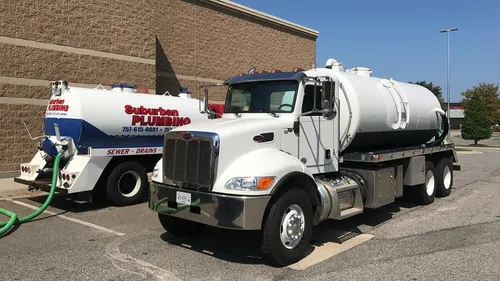
- Certified Disposal and Hauling: Waste collected in your grease traps and interceptors cannot be dumped down a drain or into a storm sewer. It must be disposed of at a permitted facility or hauled away by a transporter certified under the Hampton Roads Planning District Commission (HRPDC) Regional Grease Hauler Program. Furthermore, Virginia state law requires all waste kitchen grease transporters to be registered with the Virginia Department of Agriculture and Consumer Services (VDACS) 3.
Best Practices for On-Site Oil Storage and Handling
Proper handling and storage of your used fryer oil between pickups are crucial for safety, maximizing its value, and preventing nuisances like pests or theft.
- Use Dedicated, Secure Containers: Store cooled oil in dedicated, leak-proof containers provided by your hauler. These should have tight-fitting, secure lids to keep out rainwater (which contaminates the oil) and to deter unauthorized access or theft.
- Maintain Oil Quality: The value of your used oil for recycling is directly tied to its purity. Use drain screens and absorbent pads to keep food solids and excess water out of your collection container. Clean oil is more valuable and easier to process into high-quality biodiesel or other products.
- Cool Before Transfer: Always allow cooking oil to cool below 120°F before transferring it to a storage container. This prevents serious burn risks for staff and avoids damaging plastic storage bins.
- Schedule Regular Pickups: Establishing a consistent, scheduled pickup service with your certified hauler is far more effective and reliable than relying on ad-hoc drop-off programs. It ensures your storage never overflows and helps maintain a clean, compliant kitchen environment 4 5.
The Recycling Journey: From Fryer to Fuel
When a certified hauler collects your used cooking oil, it embarks on a process that turns waste into renewable resources. Understanding this journey highlights the environmental benefit of proper grease disposal.
- Collection: The hauler pumps the used oil from your secure storage container into their specialized tank truck.
- Transportation: The oil is transported to a processing facility. All haulers operating in Hampton must carry the proper HRPDC and VDACS certifications for this task.
- Processing and Refining: At the facility, the oil undergoes filtration to remove food particles and water. It is then processed to prepare it for its next life.
- Recycling into New Products: The most common end product for used cooking oil is biodiesel, a cleaner-burning renewable fuel that powers vehicles and equipment 6. It can also be refined into ingredients for soap, cosmetics, or animal feed supplements.
Find the perfect used cooking oil collection companies for your needs
Get personalized recommendations and expert advice
Financial Considerations: Costs and Potential Revenue
The economics of used cooking oil collection in Hampton can vary. It often depends on the volume you produce, the quality of the oil, and your service agreement with the hauler.
- Potential for Revenue: If you generate a consistent volume of high-quality, uncontaminated used cooking oil, you may be eligible for a rebate from your hauler. These rebates can range widely, potentially offsetting the cost of grease trap service or even generating a small profit stream 7 8 9.
- Understanding Service Costs: If your volume is lower or if the oil is contaminated with water or food waste, you may incur a fee for pickup and disposal services. Many providers offer free collection containers as part of their service agreement, but it's important to understand the full fee structure 10 11.
- Value of Compliance: It's critical to view these services not just as a line-item cost, but as an investment in regulatory compliance. Proper management helps you avoid significant fines from the city for FOG ordinance violations, which can far exceed the cost of regular service.
Choosing a Service Provider in the Hampton Roads Area
Selecting a reliable partner for your used cooking oil recycling is key. Look for providers that offer comprehensive service and clear documentation to keep your business compliant.
- Verification of Certifications: Always confirm that any hauler you consider is certified under the HRPDC Regional Grease Hauler Program and is registered with VDACS as a waste kitchen grease transporter. This is non-negotiable for legal operation in Hampton 12 13.
- Service Offerings: Many local providers, such as Grand Natural Inc., Greasecycle, and EcoOil Recycling, offer full-service packages that include supplying containers, regular scheduled pickups, and providing detailed documentation or manifests for each collection 14. This paperwork is vital for proving compliance during city inspections.
- Transparent Agreements: Seek a provider that offers a clear, written agreement outlining pickup frequency, fee or rebate structure, and responsibilities for container maintenance. A trustworthy hauler will help you navigate the local requirements seamlessly.
Frequently asked questions
Sources
Footnotes
-
SEWERS AND SEWAGE DISPOSAL ARTICLE V. - Hampton.gov - https://www.hampton.gov/DocumentCenter/View/830/hampton-fog-ordinance?bidId= ↩
-
FATS, OILS AND GREASE (FOG) Hampton, Virginia, Code of ... - https://www.hampton.gov/DocumentCenter/View/3422/Ordinance-and-Response?bidId= ↩
-
Code of Virginia Code - Chapter 55.1. Waste Kitchen Grease - https://law.lis.virginia.gov/vacodefull/title3.2/chapter55.1/ ↩
-
Used Cooking Oil Pickup vs Drop-Off-What's Best for Restaurants? - https://www.greaseprosrecycling.com/used-cooking-oil-pickup-vs-drop-off/ ↩
-
Used Cooking Oil Disposal: Complete Guide to Grease Pickups - https://greaseconnections.com/used-cooking-oil-disposal-guide-grease-pickups/ ↩
-
EcoOil Recycling's Used Cooking Oil Collection Process - https://ecooilrecycling.com/used-cooking-oil-collection-process/ ↩
-
Used Cooking Oil (UCO) Collection Service For Restaurants - https://thegreasecompany.com/blog/restaurant-used-cooking-oil-collection/ ↩
-
Restaurant Used Cooking Oil Recycling & Disposal Guide - https://greaseconnections.com/restaurant-used-cooking-oil-disposal-recycling-revenue-guide/ ↩
-
Hampton Roads Restaurant Cooking Oil Recycling | Greasecycle - https://grease-cycle.com/virginia/hampton-roads-restaurant-cooking-oil-recycling/ ↩
-
Used Cooking Oil Collection Hampton - https://www.grandnaturalinc.com/locations/used-cooking-oil-recycling-in-hampton.html ↩
-
Used Cooking Oil Pickup and Recycling Hampton - Grand Natural - https://www.grandnatural.com/locations/used-cooking-oil-recycling-in-hampton.html ↩
-
FOG (Fats, Oils, and Grease) Program | Hampton, VA - Official Website - https://www.hampton.gov/646/FOG-Fats-Oil-Grease-Program ↩
-
Transporters of Waste Kitchen Grease - https://www.vdacs.virginia.gov/food-transporters-waste-kitchen-grease.shtml ↩
-
Used Cooking Oil Recycling & Pickup for Restaurants | NC, SC, VA - https://grease-cycle.com/ ↩