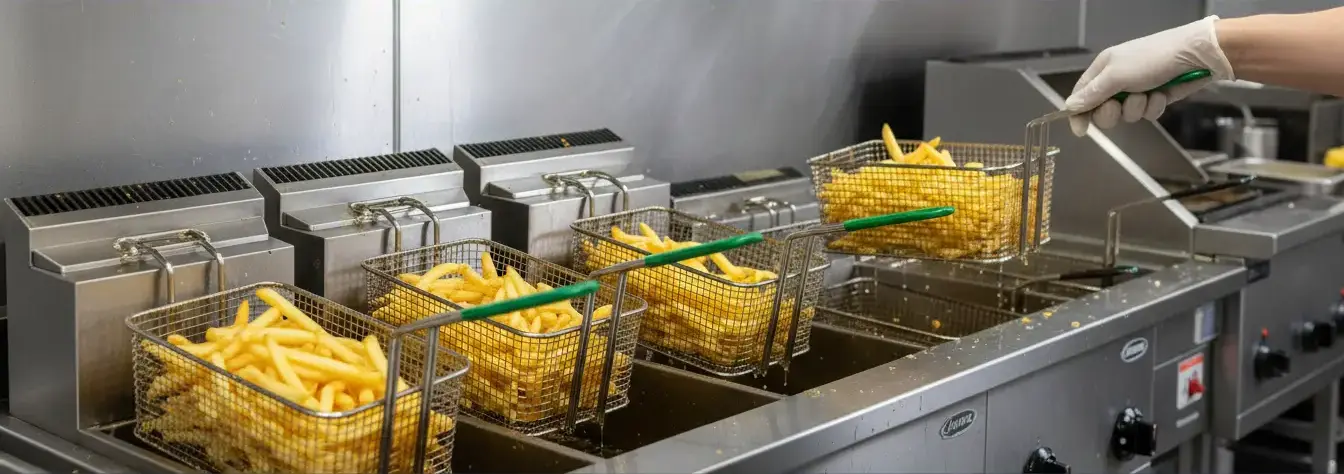
Find the Best Used Cooking Oil Collection Companies for Your Business
No obligation • Fast responses • Nationwide coverage

Why you can trust Restaurant Waste Disposal
Restaurant Waste Disposal is a leading U.S. resource for comparing restaurant composting, food-waste recycling, grease trap cleaning, and used cooking oil collection services. Our editorial team researches providers, checks credentials, and organizes unbiased information so operators can make informed decisions. Companies cannot pay to change ratings or placement.
Search providers near you
Top Used Cooking Oil Collection Companies in Chesapeake, Virginia Ranked
For restaurants and food service businesses in Chesapeake, managing used cooking oil (UCO) is a critical operational task that goes far beyond simple disposal. Proper handling of this waste stream is essential for maintaining a clean, safe kitchen, avoiding costly plumbing disasters, and ensuring compliance with Virginia state regulations. By partnering with a professional used cooking oil collection service, you can transform this potential liability into a secure, environmentally responsible process that may even generate revenue. This guide outlines the local practices, legal requirements, and benefits of establishing a reliable UCO recycling program in Chesapeake.
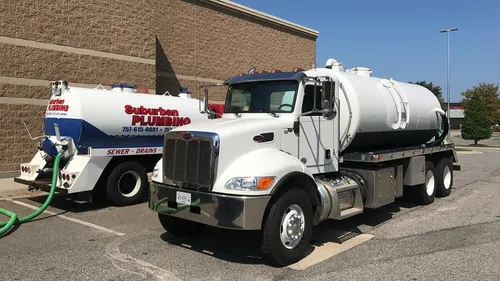
Why Proper Oil Management is Non-Negotiable
Improper disposal of used fryer oil and grease is one of the quickest ways to create major problems for your business. Pouring oil down drains is a primary cause of sewer blockages, leading to expensive emergency plumbing repairs, potential fines from municipal authorities, and health code violations. Beyond the drains, storing oil in makeshift containers poses safety hazards, attracts pests, and can lead to messy spills that compromise kitchen cleanliness. A structured collection program eliminates these risks by providing secure, professional handling from your kitchen to the recycling facility.
Understanding Virginia and Chesapeake Regulations
Compliance is a key driver for establishing a formal used cooking oil collection system. Virginia state law, specifically § 3.2-5510 of the Code of Virginia, regulates the transportation of waste kitchen grease 1. This law requires that any entity receiving more than 55 gallons of grease from an unregistered transporter must maintain detailed records, including the transporter's name, date of collection, vehicle information, and quantity received 1. Professional recyclers handle this documentation, providing you with manifests that serve as proof of compliant disposal for health inspectors.
Furthermore, restaurants are required to have properly maintained grease traps or interceptors to prevent fats, oils, and grease (FOG) from entering the public sewer system 2. While grease trap cleaning is a separate service, many used cooking oil collectors offer it in tandem, providing a comprehensive solution for all your FOG management needs and helping you stay in full compliance with local ordinances.
The Professional Collection and Recycling Process
Engaging with a used cooking oil collection service in Chesapeake streamlines your kitchen operations through a simple, recurring process.
Step 1: Secure On-Site Storage After signing up, the service provider will typically supply you with a dedicated, leak-proof storage container at no cost. These containers are designed to be sealed and secure, preventing odors, spills, and theft. You have the option for indoor or outdoor placement based on your kitchen's layout and volume.
Step 2: Routine Collection Once your oil has cooled, kitchen staff filters it into the provided container. Your collection company will establish a pickup schedule-weekly, bi-weekly, or monthly-based on your oil production volume. On the scheduled day, a technician will pump out the accumulated oil, clean up any minor drips, and leave you with a clean, empty container. They will also provide a service manifest detailing the quantity collected, which is your record for compliance 3 4.
Step 3: Transformation into New Products The collected oil doesn't go to a landfill. It is transported to a processing facility where it is recycled. The primary end product is biodiesel, a renewable, cleaner-burning fuel 5 6. This process ensures your kitchen waste is repurposed into energy, contributing to a circular economy and reducing environmental impact.
Find the perfect used cooking oil collection companies for your needs
Get personalized recommendations and expert advice
Financial Considerations: Cost vs. Revenue
A significant advantage of professional used cooking oil collection is the potential to turn a cost center into a revenue stream. Many providers offer their services for free if your establishment generates a sufficient volume of oil, as the value of the recycled material covers their operational costs 7.
For higher-volume producers, there is often an opportunity to earn rebates or direct payments. The rate paid per gallon varies based on the current market for recycled oils and the quality and quantity of your oil. While rates fluctuate, examples show that establishments generating several hundred gallons per month can earn revenue that helps offset other operational expenses 8. It's a model that rewards efficient kitchen management.
Choosing a Service Provider in Chesapeake
When selecting a used cooking oil collection partner in Chesapeake, consider the following:
- Reliability & Schedule: Choose a company known for consistent, on-time pickups to avoid overflows.
- Compliance Support: Ensure they provide proper documentation and understand Virginia's specific legal requirements.
- Container Quality: They should supply sturdy, sealed containers that keep your premises clean and secure.
- Service Range: Some companies offer additional services like grease trap cleaning, which can simplify your vendor management.
- Transparency: A reputable provider will be clear about their pricing or rebate structure.
Implementing a professional used cooking oil collection system is a smart business decision for any Chesapeake restaurant. It ensures regulatory compliance, promotes kitchen safety and cleanliness, supports environmental sustainability, and can provide a modest revenue stream. By choosing the right partner, you effectively outsource a complex waste management challenge to experts.
Frequently asked questions
Sources
Footnotes
-
Code of Virginia Code - Chapter 55.1. Waste Kitchen Grease - https://law.lis.virginia.gov/vacodefull/title3.2/chapter55.1/ ↩ ↩2
-
Navigating Legal Requirements for Used Cooking Oil Disposal - https://bakercommodities.com/blog/2024/02/08/legal-requirement-used-cooking-grease/ ↩
-
Chesapeake Restaurant Cooking Oil Recycling | Greasecycle - https://grease-cycle.com/virginia/chesapeake-restaurant-cooking-oil-recycling/ ↩
-
Grease Collection Service: What is it - Grand Natural Inc - https://www.grandnaturalinc.com/blog/what-is-grease-collection-service.html ↩
-
Used Cooking Oil Recycling & Pickup for Restaurants | NC, SC, VA - https://grease-cycle.com/ ↩
-
Restaurant Oil Disposal: Explained - Eazy Grease - https://eazygrease.com/how-do-restaurants-get-rid-of-their-oil/ ↩
-
Used Cooking Oil Collection Chesapeake - https://www.grandnaturalinc.com/locations/used-cooking-oil-recycling-in-chesapeake.html ↩
-
Restaurant Used Cooking Oil Recycling & Disposal Guide - https://greaseconnections.com/restaurant-used-cooking-oil-disposal-recycling-revenue-guide/ ↩