Find the Best Used Cooking Oil Collection Companies for Your Business
No obligation • Fast responses • Nationwide coverage

Why you can trust Restaurant Waste Disposal
Restaurant Waste Disposal is a leading U.S. resource for comparing restaurant composting, food-waste recycling, grease trap cleaning, and used cooking oil collection services. Our editorial team researches providers, checks credentials, and organizes unbiased information so operators can make informed decisions. Companies cannot pay to change ratings or placement.
Search providers near you
Top Used Cooking Oil Collection Companies in Tigard, Oregon Ranked
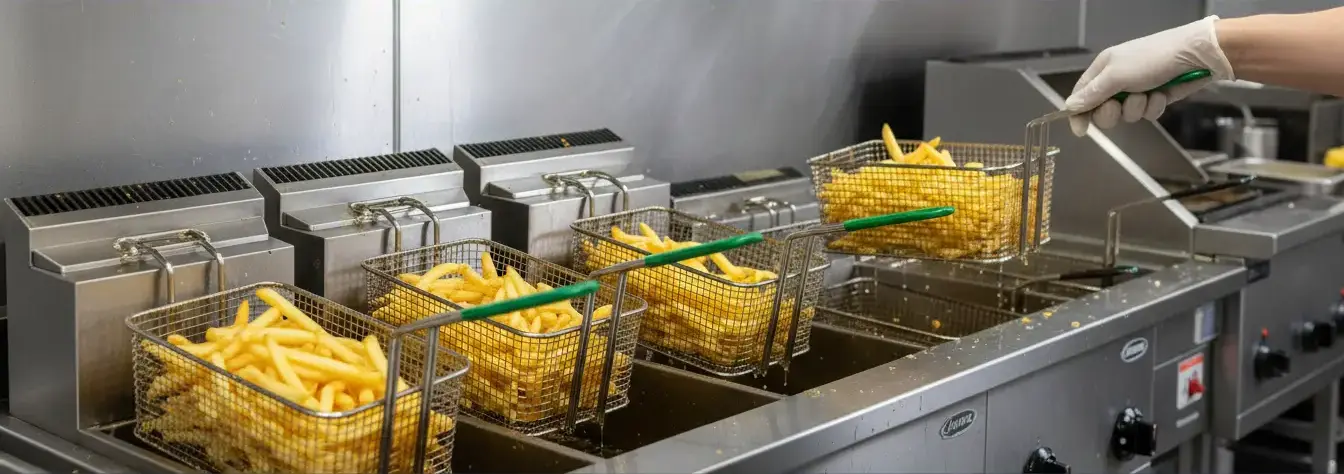
For restaurants and food service businesses in Tigard, managing used cooking oil (UCO) is a critical operational and environmental responsibility. Properly recycling this waste stream not only ensures compliance with local regulations but also transforms a messy byproduct into valuable renewable energy. Specialized collection services provide a seamless solution, offering free pickup, secure containers, and the peace of mind that your oil is being converted into biodiesel or sustainable aviation fuel, supporting Oregon's green initiatives. This guide outlines the essential steps, benefits, and local providers for effective fryer oil disposal and recycling in the Tigard area.
Scout Septic, Grease & Drain
15535 SE 287th Ave, Boring, OR 97009
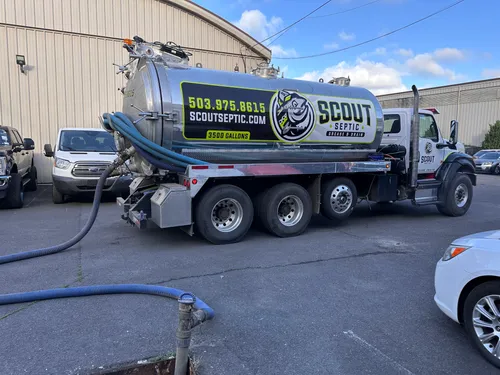
Scout Septic, Grease & Drain provides septic tank pumping, installation, repair, grease trap cleaning, and drain services in Portland, OR. They serve both residential and commercial clients, offering pipe and drain cleaning including hydro jetting, as well as excavation and grading services. The company uses modern equipment and techniques to maintain and repair wastewater systems efficiently. Scout Septic, Grease & Drain is fully licensed and insured, offers 24/7 availability, and has a satisfaction guarantee.
Northwest Biofuel
2223 N Randolph Ave, Portland, OR 97227
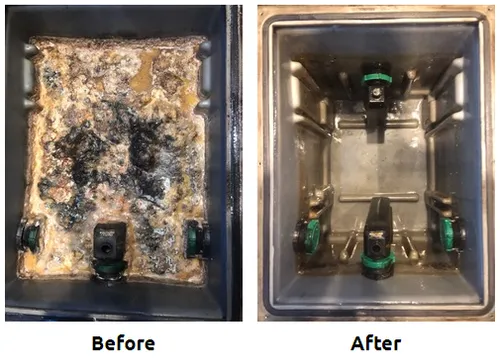
Northwest Biofuel is a locally owned company based in Portland, OR, specializing in grease trap cleaning and used cooking oil collection. They serve restaurants and commercial properties throughout Oregon and Washington, offering bundled services that include grease trap cleaning, cooking oil collection, drain cleaning, line jetting, and grease trap repair. The company ensures that 100% of the oil and grease collected is recycled locally into feedstock and clean-burning biodiesel. Northwest Biofuel provides 24/7 emergency service and works with clients to schedule service at convenient times.

Oregon Oils, Inc
2515 NW 28th Ave, Portland, OR 97210
Oregon Oils, Inc is a family-owned company based in Portland, OR, providing used cooking oil collection and grease trap cleaning services. Serving businesses across Oregon and Southwest Washington, they offer customizable solutions including grease trap maintenance and used oil recycling. Their Fryer to Fuel program converts collected cooking oil into biodiesel, supporting sustainable practices. With over 30 years of experience since 1992, Oregon Oils emphasizes environmental responsibility and offers emergency service within one business day.

VeggieScout Oil LLC - Portland
Portland, OR
VeggieScout Oil LLC - Portland offers used cooking oil collection, grease trap cleaning, and septic and drain services in Portland, OR. The company provides grease trap pumping, cleaning, and maintenance along with septic tank pumping, installation, repair, and pipe and drain cleaning using advanced equipment. They also handle excavation and grading projects. VeggieScout Oil LLC emphasizes careful maintenance to prevent backups and clogs and offers 24/7 availability for emergency services.
Baker Commodities Inc
9901 N Hurst Ave, Portland, OR 97203
Baker Commodities Inc is based in Portland, OR, and specializes in used cooking oil collection and recycling services. The company supports the food production and restaurant industries by converting food by-products and used cooking oil into valuable products such as feeding fats, tallow, protein meal, and yellow grease. They also provide rendering, restaurant grease collection, jetting, and fat and bone collection services. With over 75 years of experience, Baker Commodities focuses on sustainability and environmental responsibility through their recycling efforts.
Why Professional Fryer Oil Recycling is Essential
Improper disposal of fats, oils, and grease (FOG) is a leading cause of sewer blockages and environmental contamination. In Tigard and throughout Washington County, regulations strictly prohibit pouring used oil down sinks, drains, or into storm systems. Violations can lead to significant fines and damage to public infrastructure. Professional UCO collection eliminates this risk by providing a closed-loop system. Providers handle the entire process, from supplying secure containers to transporting the oil to processing facilities where it is purified and repurposed 1. This responsible approach protects your plumbing, the community sewer system, and local waterways.
Beyond compliance, partnering with a used cooking oil recycler aligns with sustainability goals. The oil collected from your kitchen is a feedstock for renewable fuels, directly contributing to a reduction in fossil fuel dependence and greenhouse gas emissions. It's a practical way for Tigard businesses to demonstrate environmental stewardship to their customers.
How the Collection and Recycling Process Works
The system for used vegetable oil pickup is designed to be simple and non-disruptive to your daily operations.
- Container Placement & Transfer: Your chosen recycler will typically provide a dedicated, leak-proof storage container, often at no cost for qualifying volumes 2. Staff simply pour cooled, used oil from fryers into this container. For solidified fats or grease, scrapings can be collected in separate bins provided for grease trap waste.
- Scheduled Pickup: Collections are usually scheduled on a regular basis (weekly, bi-weekly, or monthly) based on your volume. Providers like NW Biofuel offer automatic scheduling, so you don't have to remember to call. When your container is full, the collection truck arrives for service.
- On-Site Collection: A trained technician will pump the used cooking oil directly from your storage container into their specialized truck. They will also clean up any minor spills and ensure the container is left ready for use again.
- Processing & Repurposing: The oil is transported to a processing facility. There, it undergoes filtration to remove food particles and water. The clean oil is then sold to refiners who convert it into products like biodiesel, renewable diesel, or sustainable aviation fuel (SAF).
Best Practices for On-Site Oil Management
Proper handling before pickup ensures safety, maximizes the value of your oil, and prevents problems.
- Never Pour Down Drains: This is the cardinal rule. Even small amounts can solidify and cause costly blockages 3.
- Cool Before Transferring: Always allow oil to cool completely before moving it to the storage container to prevent burns and fire hazards.
- Use Dedicated Containers: Only use the containers provided by your recycler. Never mix used cooking oil with other liquids, chemicals, or garbage.
- Secure Storage Location: Place your collection container on a stable, level surface. Ideal spots are near the back door or loading dock for easy access. If stored outdoors, containers should be covered and kept cool to maintain oil quality and prevent rainwater contamination. Local codes may require a 3-foot clearance from property lines for outdoor tanks.
- Maintain Records: Keep logs of your pickup schedules and service receipts. This documentation is valuable for demonstrating regulatory compliance and managing your waste services.
Find the perfect used cooking oil collection companies for your needs
Get personalized recommendations and expert advice
Understanding Costs and Potential Value
A common misconception is that used cooking oil disposal is an expensive service. In reality, for most restaurants in Tigard, collection is offered free of charge by recyclers4 5. Companies generate their revenue by selling the processed oil to biofuel producers, so they provide the pickup and containers as part of their supply chain. For businesses generating high volumes of clean, uncontaminated oil, there may even be opportunities for rebates or revenue sharing, potentially ranging from $0.10 to $0.65 per gallon5.
Costs are more typically associated with grease trap or interceptor cleaning, which is a separate but related service. Many providers offer bundled service packages, where combining regular UCO pickup with scheduled grease trap maintenance can lead to discounted rates, simplifying your waste management and billing. The most significant cost to avoid is the fine for illegal disposal, which makes professional recycling a financially prudent choice.
Local Providers for Tigard Restaurants
Several established companies service the Tigard and greater Portland metro area. When selecting a provider, consider their reliability, service offerings, and environmental partnerships.
- NW Biofuel: A local provider offering free collection, automatic scheduling, and 24/7 emergency pickup services. They supply containers and focus on converting collected UCO into renewable energy 6.
- Mahoney Environmental: A national company with EPA-licensed local operations. They provide equipment, handle all necessary documentation, and process oil into renewable diesel and sustainable aviation fuel7 8.
- Oregon Oils Inc.: A family-owned business based in Portland offering customizable solutions for both used cooking oil collection and grease trap services 9.
Coordinating Grease Trap and Oil Services
For comprehensive kitchen waste management, it's highly efficient to coordinate your used cooking oil pickups with your grease trap cleaning. Grease traps collect FOG from wastewater before it enters the sewer, while UCO containers hold oil directly from fryers. Using the same provider for both services ensures consistent scheduling, can reduce overall costs, and provides a single point of contact for any issues10 11. It also prevents the violation of mixing grease trap waste with straight used cooking oil, as they are often processed differently12.
Frequently asked questions
Sources
Footnotes
-
Used Cooking Oil (UCO) Collection Service For Restaurants - https://thegreasecompany.com/blog/restaurant-used-cooking-oil-collection/ ↩
-
Used Restaurant Deep Fryer Cooking Oil Disposal Tips - NW Biofuel - https://nwbiofuel.com/blog/used-restaurant-deep-fryer-cooking-oil-disposal-tips/ ↩
-
How to dispose of or recycle vegetable oil and other cooking oils - https://webapps.washingtoncountyor.gov/what-to-recycle/#!rc-cpage=95162 ↩
-
Used Cooking Oil Collection, Disposal, & Recycling - NW Biofuel - https://nwbiofuel.com/used-cooking-oil-collection/ ↩
-
Restaurant Used Cooking Oil Recycling & Disposal Guide - https://greaseconnections.com/restaurant-used-cooking-oil-disposal-recycling-revenue-guide/ ↩ ↩2
-
What Do Restaurants Do With Their Old Oil and Grease? - NW Biofuel - https://nwbiofuel.com/blog/what-do-restaurants-do-with-their-old-oil-and-grease/ ↩
-
Restaurant Grease Pick Up & Disposal Services in Portland, OR - https://www.mahoneyes.com/fryer-oil-disposal-recycling-portland-or/ ↩
-
Used Cooking Oil Pickup & Recycling Services in Portland, OR - https://www.mahoneyes.com/waste-oil-pickup-recycling-portland-or/ ↩
-
Cooking Oil Collection | Oregon Oils | Portland OR - https://www.oregonoilsinc.com/cooking-oil-collection/ ↩
-
Used Cooking Oil Disposal: Complete Guide to Grease Pickups - https://greaseconnections.com/used-cooking-oil-disposal-guide-grease-pickups/ ↩
-
Oregon Oils | Grease Traps | Portland OR - https://www.oregonoilsinc.com/ ↩
-
Used Cooking Oil - UpCodes - https://up.codes/s/used-cooking-oil ↩