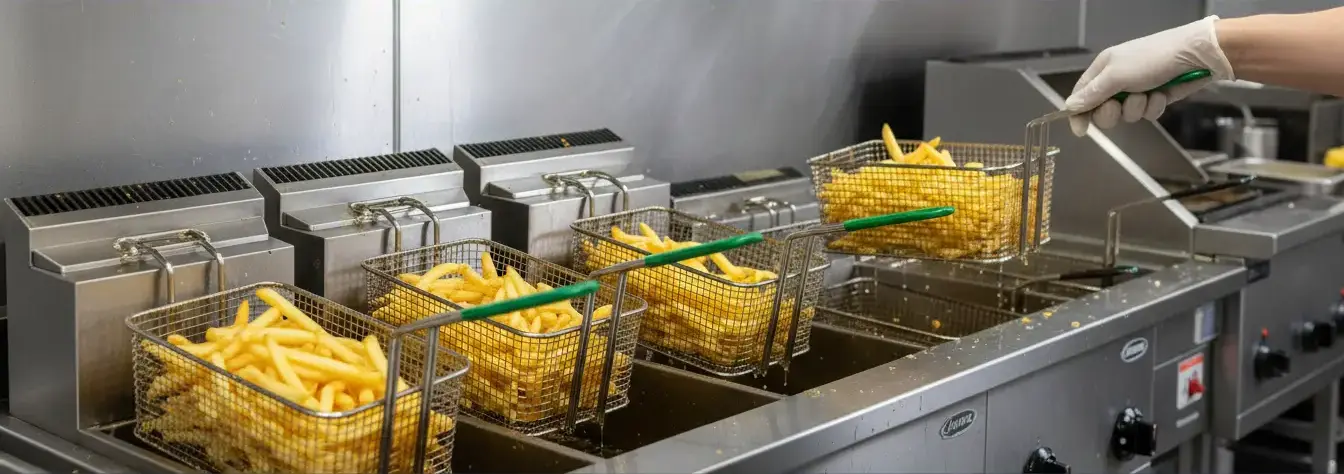
Find the Best Used Cooking Oil Collection Companies for Your Business
No obligation • Fast responses • Nationwide coverage

Why you can trust Restaurant Waste Disposal
Restaurant Waste Disposal is a leading U.S. resource for comparing restaurant composting, food-waste recycling, grease trap cleaning, and used cooking oil collection services. Our editorial team researches providers, checks credentials, and organizes unbiased information so operators can make informed decisions. Companies cannot pay to change ratings or placement.
Search providers near you
Best Used Cooking Oil Collection Companies in Oregon Ranked
For restaurants and food service businesses in Oregon, managing used cooking oil (UCO) is more than just a routine cleanup task-it's a regulated, environmentally critical, and potentially profitable part of operations. Proper collection and recycling of UCO prevent sewer blockages, water contamination, and environmental harm, while transforming a waste product into valuable renewable fuels like biodiesel and sustainable aviation fuel. Navigating Oregon's specific rules for storage, handling, and transportation is essential for compliance and for turning this byproduct into a resource that benefits both your business and the state's sustainability goals.
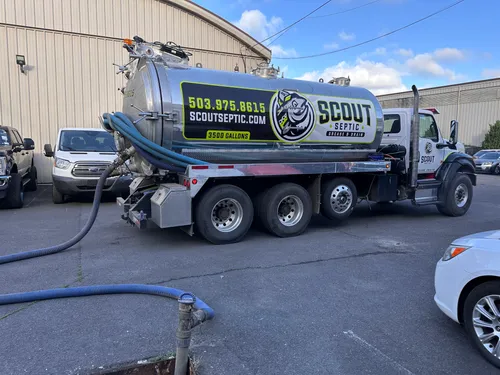
Scout Septic, Grease & Drain
15535 SE 287th Ave, Boring, OR 97009
Scout Septic, Grease & Drain provides septic tank pumping, installation, repair, grease trap cleaning, and drain services in Portland, OR. They serve both residential and commercial clients, offering pipe and drain cleaning including hydro jetting, as well as excavation and grading services. The company uses modern equipment and techniques to maintain and repair wastewater systems efficiently. Scout Septic, Grease & Drain is fully licensed and insured, offers 24/7 availability, and has a satisfaction guarantee.
Northwest Biofuel
2223 N Randolph Ave, Portland, OR 97227
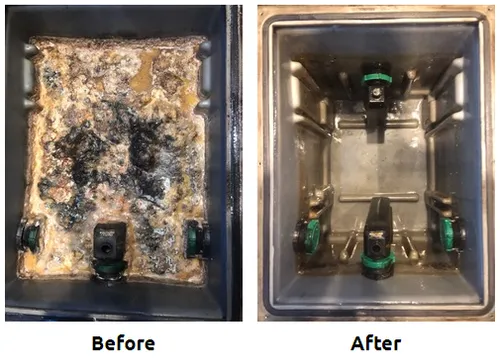
Northwest Biofuel is a locally owned company based in Portland, OR, specializing in grease trap cleaning and used cooking oil collection. They serve restaurants and commercial properties throughout Oregon and Washington, offering bundled services that include grease trap cleaning, cooking oil collection, drain cleaning, line jetting, and grease trap repair. The company ensures that 100% of the oil and grease collected is recycled locally into feedstock and clean-burning biodiesel. Northwest Biofuel provides 24/7 emergency service and works with clients to schedule service at convenient times.

Oregon Oils, Inc
2515 NW 28th Ave, Portland, OR 97210
Oregon Oils, Inc is a family-owned company based in Portland, OR, providing used cooking oil collection and grease trap cleaning services. Serving businesses across Oregon and Southwest Washington, they offer customizable solutions including grease trap maintenance and used oil recycling. Their Fryer to Fuel program converts collected cooking oil into biodiesel, supporting sustainable practices. With over 30 years of experience since 1992, Oregon Oils emphasizes environmental responsibility and offers emergency service within one business day.
Mahoney Environmental Restaurant Oil Recycling
4735 Turner Rd SE, Salem, OR 97317
Mahoney Environmental Restaurant Oil Recycling provides used cooking oil collection services in Salem, OR. The company focuses on environmentally responsible recycling solutions for restaurants and food service businesses, helping reduce waste and support sustainability efforts.

VeggieScout Oil LLC - Portland
Portland, OR
VeggieScout Oil LLC - Portland offers used cooking oil collection, grease trap cleaning, and septic and drain services in Portland, OR. The company provides grease trap pumping, cleaning, and maintenance along with septic tank pumping, installation, repair, and pipe and drain cleaning using advanced equipment. They also handle excavation and grading projects. VeggieScout Oil LLC emphasizes careful maintenance to prevent backups and clogs and offers 24/7 availability for emergency services.
Understanding Oregon's Regulatory Framework
Used cooking oil collection in Oregon is governed by a combination of state and federal regulations designed to protect public health and the environment. The Oregon Department of Environmental Quality (DEQ) oversees these rules, which classify used oil as a special waste with specific handling requirements. Key regulations include the Oregon Administrative Rules (OAR 340) and align with federal standards under 40 CFR 279 1.
The primary goal of these regulations is to prevent used oil from entering sewers, drains, or landfills. Illegally dumping oil is a violation of state law (OAR 340, § 468B.050) and can lead to significant fines, as it contributes to sewer overflows and water pollution. By contrast, proper recycling through licensed channels is not only compliant but is actively encouraged as a sustainable practice.
Essential Steps for Proper Storage and Handling
Before pickup, used cooking oil must be stored correctly to ensure safety, prevent spills, and maintain its quality for recycling. Oregon's rules provide clear guidelines for generators of used oil.
Container and Tank Requirements:
- Leak-Proof & Covered: All containers and tanks must be in good condition, without leaks, rust, or structural defects. They must be kept covered to prevent rainwater ingress, which can complicate the recycling process.
- Clear Labeling: Every container must be clearly marked or labeled as "Used Oil" to avoid confusion with other materials.
- Secondary Containment: For above-ground storage tanks and bulk containers, secondary containment-such as a dike or spill pallet-is mandatory. This system must be able to hold 110% of the volume of the largest container within it, providing a crucial backup in case of a primary container failure 2 3.
Safe Handling Practices:
- Cool Before Transfer: Always allow oil to cool completely before transferring it to storage containers to prevent serious burns 4.
- Use Protective Gear: Employees should wear appropriate personal protective equipment (PPE), including heat-resistant gloves, safety glasses, and aprons.
- Maintain a Clean Area: Keep the storage and transfer area clean and free of trip hazards. Have spill response materials like absorbent pads readily available.
Choosing a Licensed Transporter and Recycler
You cannot transport used cooking oil off-site yourself unless you obtain the proper transporter license from the DEQ. For almost all food service businesses, partnering with a licensed used oil hauler is the standard and required practice.
Working with a Licensed Hauler: Licensed transporters understand the manifesting and record-keeping requirements for moving used oil. They ensure the oil is taken to a permitted recycling facility. When selecting a service provider, verify their DEQ licensing status. Reputable companies will handle all the logistics and documentation, providing you with proof of proper recycling.
The Recycling Pathway: Once collected, your used cooking oil begins its second life. Oregon-based recyclers and regional facilities process the oil, removing food particles and water. The purified oil is then converted into renewable products. A significant portion is turned into renewable diesel or Sustainable Aviation Fuel (SAF), supporting Oregon's and the nation's clean energy objectives 5. Other end products can include biodiesel, animal feed supplements, and industrial lubricants.
Find the perfect used cooking oil collection companies for your needs
Get personalized recommendations and expert advice
Equipment and Service Options for Your Business
The scale of your operation will determine the best collection setup. Providers typically offer solutions tailored to your oil volume.
- Indoor/Outdoor Bulk Containers: These are the most common solution for restaurants with moderate to high oil use. A durable, lockable container is placed in a convenient location (like behind your kitchen or in a service alley). The hauler will swap out a full container for an empty one during scheduled pickups 6.
- Automated Direct Connect Systems: For high-volume establishments, some providers offer automated systems that pipe used oil directly from fryers to a large outdoor storage tank. This minimizes manual handling, improves kitchen safety and cleanliness, and can increase efficiency.
- Scheduled vs. On-Call Pickup: Most services operate on a regular schedule (e.g., weekly, bi-weekly, monthly). Ensure your storage capacity aligns with your pickup frequency to avoid overflows. Some providers also offer on-call pickups for an additional fee.
The Financial and Environmental Benefits
Viewing used cooking oil as a commodity, not a waste, is key to unlocking its value.
Cost Recovery and Potential Revenue: Many recycling companies provide a rebate or payment for your used oil, as its value as a feedstock for biofuel has increased. This payment structure turns a disposal cost into a small revenue stream or, at minimum, a cost-neutral service. It directly offsets what you would otherwise pay for waste removal 7 8.
Sustainability and Community Impact: Recycling UCO has a direct positive environmental impact. It reduces the demand for virgin fossil fuels, lowers greenhouse gas emissions compared to traditional diesel, and prevents pollution of Oregon's waterways. By participating in a certified recycling program, your business contributes to a circular economy and demonstrates a commitment to environmental stewardship, which can resonate positively with customers.
Risk Mitigation: Proper management through a licensed service drastically reduces your legal and environmental liability. You avoid the risk of fines for improper disposal or costly cleanups from sewer backups caused by fatbergs-masses of congealed grease that block pipes 9.
Best Practices for a Smooth Operation
- Train Your Staff: Ensure all kitchen staff are trained on safe cooling, transfer, and storage procedures. Emphasize that oil never goes down the drain.
- Maintain Your Storage Equipment: Regularly inspect your containers for leaks or damage. Keep lids securely closed.
- Keep Accurate Records: Maintain logs of oil collection dates, hauler information, and recycling manifests provided by your service. This documentation is crucial for demonstrating compliance.
- Communicate with Your Provider: Notify your hauler of changes in your oil volume, address, or contact information. If you anticipate a surge in oil use (e.g., during a holiday season), schedule an extra pickup in advance.
- Plan for Spills: Have a simple spill response kit near your storage area. For small spills, use absorbent materials and place the saturated waste in a sealed container. For large spills, contain the area and contact your hauler or a spill response professional immediately.
Frequently asked questions
Sources
Footnotes
-
Chapter 340 - Oregon Secretary of State Administrative Rules - https://secure.sos.state.or.us/oard/viewSingleRule.action?ruleVrsnRsn=71739 ↩
-
Used Oil Generator Requirements - Oregon.gov - https://www.oregon.gov/deq/FilterDocs/UsedOilGenerator.pdf ↩
-
Used Oil Transporters, Marketers and Collection Facilities - https://www.oregon.gov/deq/FilterDocs/UOTransportersMarketersCollection.pdf ↩
-
How to Properly Store Used Cooking Oil for Recycling Pickup - https://nwbiofuel.com/blog/how-to-properly-store-used-cooking-oil-for-recycling-pickup/ ↩
-
Used Restaurant Deep Fryer Cooking Oil Disposal Tips - NW Biofuel - https://nwbiofuel.com/blog/used-restaurant-deep-fryer-cooking-oil-disposal-tips/ ↩
-
Used Cooking Oil Pickup & Recycling Services in Portland, OR - https://www.mahoneyes.com/waste-oil-pickup-recycling-portland-or/ ↩
-
Used Cooking Oil Pickup & Recycling Services in Salem, OR - https://www.mahoneyes.com/waste-oil-pickup-recycling-salem-or/ ↩
-
Cooking Oil Collection | Oregon Oils | Portland OR - https://www.oregonoilsinc.com/cooking-oil-collection ↩
-
Fats, Oil, and Grease Best Management Practices for ... - https://www.portland.gov/bes/preventing-pollution/fats-oil-and-grease/best-management-practices ↩