
Find the Best Used Cooking Oil Collection Companies for Your Business
No obligation • Fast responses • Nationwide coverage

Why you can trust Restaurant Waste Disposal
Restaurant Waste Disposal is a leading U.S. resource for comparing restaurant composting, food-waste recycling, grease trap cleaning, and used cooking oil collection services. Our editorial team researches providers, checks credentials, and organizes unbiased information so operators can make informed decisions. Companies cannot pay to change ratings or placement.
Search providers near you
Top Used Cooking Oil Collection Companies in Hillsboro, Oregon Ranked
For restaurants and food service businesses in Hillsboro, responsible used cooking oil (UCO) management is both an environmental necessity and a potential operational asset. Proper grease collection and recycling are critical for complying with local Fats, Oils, and Grease (FOG) regulations designed to protect the city's sewer infrastructure. By partnering with a professional collection service, businesses can transform a messy waste product into renewable biodiesel, often turning a disposal cost into a source of rebate revenue. This guide outlines the local requirements, logistical steps, and key providers for establishing an efficient and compliant UCO recycling program in Hillsboro.
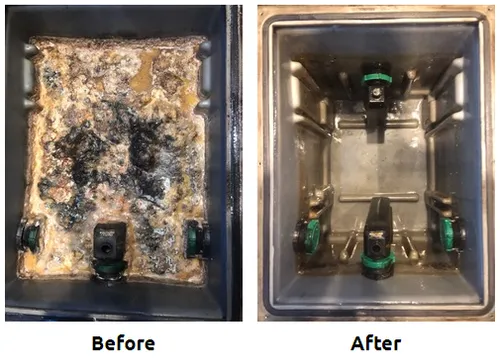
Northwest Biofuel
2223 N Randolph Ave, Portland, OR 97227
Northwest Biofuel is a locally owned company based in Portland, OR, specializing in grease trap cleaning and used cooking oil collection. They serve restaurants and commercial properties throughout Oregon and Washington, offering bundled services that include grease trap cleaning, cooking oil collection, drain cleaning, line jetting, and grease trap repair. The company ensures that 100% of the oil and grease collected is recycled locally into feedstock and clean-burning biodiesel. Northwest Biofuel provides 24/7 emergency service and works with clients to schedule service at convenient times.

Oregon Oils, Inc
2515 NW 28th Ave, Portland, OR 97210
Oregon Oils, Inc is a family-owned company based in Portland, OR, providing used cooking oil collection and grease trap cleaning services. Serving businesses across Oregon and Southwest Washington, they offer customizable solutions including grease trap maintenance and used oil recycling. Their Fryer to Fuel program converts collected cooking oil into biodiesel, supporting sustainable practices. With over 30 years of experience since 1992, Oregon Oils emphasizes environmental responsibility and offers emergency service within one business day.

VeggieScout Oil LLC - Portland
Portland, OR
VeggieScout Oil LLC - Portland offers used cooking oil collection, grease trap cleaning, and septic and drain services in Portland, OR. The company provides grease trap pumping, cleaning, and maintenance along with septic tank pumping, installation, repair, and pipe and drain cleaning using advanced equipment. They also handle excavation and grading projects. VeggieScout Oil LLC emphasizes careful maintenance to prevent backups and clogs and offers 24/7 availability for emergency services.
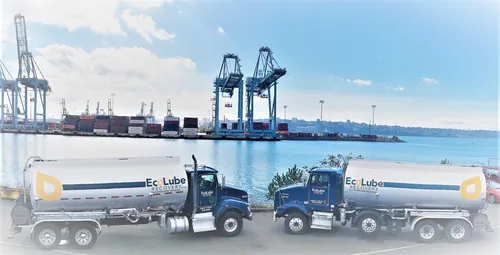
Baker Commodities Inc
9901 N Hurst Ave, Portland, OR 97203
Baker Commodities Inc is based in Portland, OR, and specializes in used cooking oil collection and recycling services. The company supports the food production and restaurant industries by converting food by-products and used cooking oil into valuable products such as feeding fats, tallow, protein meal, and yellow grease. They also provide rendering, restaurant grease collection, jetting, and fat and bone collection services. With over 75 years of experience, Baker Commodities focuses on sustainability and environmental responsibility through their recycling efforts.
Understanding Local FOG Regulations
The City of Hillsboro, along with Washington County, enforces specific rules for commercial kitchens to prevent sewer blockages and overflows. These regulations center on keeping FOG out of the drain system entirely.
- Prevention is Mandatory: Businesses are required to implement best practices, including scraping food scraps into trash or compost bins, using drain screens, and installing properly sized and maintained grease removal devices (like grease traps or interceptors) 1.
- Strict Prohibition: It is illegal to pour used cooking oil, grease, or food scraps down sinks, floor drains, or any other connection to the sanitary sewer.
- Commercial Focus: The city's FOG program specifically targets commercial food establishments, emphasizing that proper grease management is a key part of operating responsibly within the community2.
Adhering to these rules not only avoids potential fines but also supports the broader municipal effort to maintain efficient and environmentally sound wastewater treatment.
The Step-by-Step Process of Oil Collection & Recycling
Partnering with a professional recycler streamlines the entire process from your fryer to the biodiesel refinery. Here's how a typical service works:
- Storage: After oil is used and cooled, it is transferred into a dedicated, sealed container provided by your recycling company. These containers range from indoor bins (e.g., 40 gallons) to larger outdoor tanks (up to 300+ gallons), designed to prevent leaks, odors, and pests.
- Scheduled Pickup: Based on your oil production volume, your provider will establish a regular collection schedule-weekly, bi-weekly, or monthly. Many also offer on-demand or "will-call" pickups for emergencies or fluctuating needs.
- Professional Collection: A service technician arrives with a specialized vacuum truck, safely pumps the oil from your container, and leaves you with a clean, empty receptacle. The process is quick and designed to minimize disruption to your kitchen operations.
- Transportation & Processing: The collected oil is transported to a processing facility where it undergoes filtration to remove food particles and water. The purified oil is then converted into biodiesel, a clean-burning renewable fuel.
- Documentation: Reputable providers supply detailed service records, including pickup dates and volumes collected. This documentation is essential for demonstrating regulatory compliance and for tracking rebate earnings3 4.
Logistics: Storage Solutions and Pickup Scheduling
Effective logistics are the backbone of a hassle-free grease recycling program. The right setup depends on your kitchen's space and volume.
- Container Options: Most recyclers offer containers at no cost as part of their service. Indoor bins are ideal for smaller kitchens or to prevent outdoor theft, while larger outdoor tanks are suitable for high-volume producers. All containers should have secure, locking lids.
- Optimal Placement: Containers should be placed on a level, paved surface near a service entrance for easy access. Outdoor tanks should be in a location that is accessible for large trucks, even in poor weather.
- Scheduling Flexibility: Your pickup frequency is typically determined by your average monthly oil output. Providers can adjust schedules as your business grows or changes. Clear communication with your provider ensures you never have an overfull container5 6.
Find the perfect used cooking oil collection companies for your needs
Get personalized recommendations and expert advice
Financial Considerations: Costs, Rebates, and Revenue
A common misconception is that used cooking oil disposal is purely an expense. In reality, the economics are often favorable, especially for establishments that generate significant volume.
- Free Collection Services: Many providers offer free pickup and container rental for businesses generating lower volumes of oil, as the value of the recycled material covers their service costs.
- Rebate Structures: For businesses producing higher quantities, the oil itself becomes a commodity. Recyclers often pay a rebate per gallon collected. While rates fluctuate with the biofuel market, general tiers in the Hillsboro area can include:
- Cost Offset: For businesses that also pay for grease trap pumping, the rebates from high-quality used cooking oil can significantly offset or even exceed the cost of trap maintenance, turning two waste streams into a net positive.
Leading Service Providers in the Hillsboro Area
Several established companies serve the Hillsboro and greater Portland metro area, offering comprehensive grease management solutions.
- NW Biofuel: A local provider that emphasizes the full cycle of recycling, offering free collection, containers, and converting the oil into biodiesel. They provide clear documentation for compliance and rebates 10.
- Oregon Oils: Offers used cooking oil collection alongside complementary services like grease trap cleaning and maintenance, providing a one-stop solution for FOG management for restaurants11.
- Mahoney Environmental: A national provider with local service, offering EPA-licensed recycling, equipment supply, and detailed reporting for chain restaurants or businesses with stringent documentation needs.
Choosing a provider often comes down to service frequency needs, container preferences, and whether you require additional services like grease trap maintenance.
Environmental and Community Impact
Beyond compliance and economics, professional used cooking oil recycling delivers substantial environmental benefits. Diverting this material from landfills and sewers prevents pollution. Its conversion into biodiesel reduces reliance on fossil fuels, lowering greenhouse gas emissions 12. By participating in a recycling program, Hillsboro businesses contribute to a circular economy, where a local waste product is transformed into a clean, local energy source. This proactive management supports the city's sustainability goals and protects the local watershed from FOG-related contamination.
Frequently asked questions
Sources
Footnotes
-
How to dispose of or recycle vegetable oil and other cooking oils - https://webapps.washingtoncountyor.gov/what-to-recycle/#!rc-cpage=95162 ↩
-
Commercial Business | City of Hillsboro, OR - https://www.hillsboro-oregon.gov/our-city/departments/public-works/sanitary-storm-sewers/sanitary-sewer/fats-oils-grease-fog/commercial-business ↩
-
Used Cooking Oil Pickup & Recycling Services in Portland, OR - https://www.mahoneyes.com/waste-oil-pickup-recycling-portland-or/ ↩
-
Cooking Oil Collection | Oregon Oils | Portland OR - https://www.oregonoilsinc.com/cooking-oil-collection ↩
-
Grease Collection Service: What is it - Grand Natural Inc - https://www.grandnaturalinc.com/blog/what-is-grease-collection-service.html ↩
-
Used Cooking Oil (UCO) Collection Service For Restaurants - https://thegreasecompany.com/blog/restaurant-used-cooking-oil-collection/ ↩
-
Used Cooking Oil Collection, Disposal, & Recycling - NW Biofuel - https://nwbiofuel.com/used-cooking-oil-collection/ ↩
-
Used Cooking Oil Disposal: Complete Guide to Grease Pickups - https://greaseconnections.com/used-cooking-oil-disposal-guide-grease-pickups/ ↩
-
Restaurant Used Cooking Oil Recycling & Disposal Guide - https://greaseconnections.com/restaurant-used-cooking-oil-disposal-recycling-revenue-guide/ ↩
-
Used Restaurant Deep Fryer Cooking Oil Disposal Tips - NW Biofuel - https://nwbiofuel.com/blog/used-restaurant-deep-fryer-cooking-oil-disposal-tips/ ↩
-
Oregon Oils | Grease Traps | Portland OR - https://www.oregonoilsinc.com/ ↩
-
What Do Restaurants Do With Their Old Oil and Grease? - NW Biofuel - https://nwbiofuel.com/blog/what-do-restaurants-do-with-their-old-oil-and-grease/ ↩