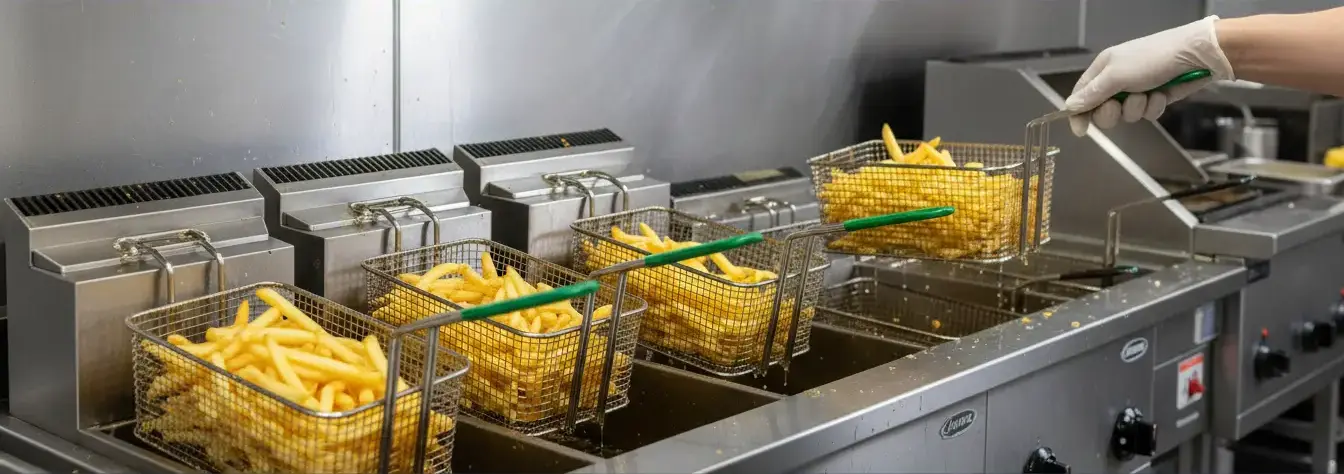
Find the Best Used Cooking Oil Collection Companies for Your Business
No obligation • Fast responses • Nationwide coverage

Why you can trust Restaurant Waste Disposal
Restaurant Waste Disposal is a leading U.S. resource for comparing restaurant composting, food-waste recycling, grease trap cleaning, and used cooking oil collection services. Our editorial team researches providers, checks credentials, and organizes unbiased information so operators can make informed decisions. Companies cannot pay to change ratings or placement.
Search providers near you
Top Used Cooking Oil Collection Companies in Gresham, Oregon Ranked
For restaurants and food service establishments in Gresham, managing used cooking oil is a critical operational and environmental responsibility. Proper collection and recycling of fats, oils, and grease (FOG) are not just about cleanliness; they are mandated by city code to protect the local sewer system from costly blockages and overflows. Fortunately, this necessary service is streamlined by local providers who offer regular grease pickup, often providing free containers and even potential rebates, turning a waste product into a resource for biodiesel production. Establishing a reliable oil collection routine safeguards your business from fines, supports sustainability goals, and can contribute to your bottom line.
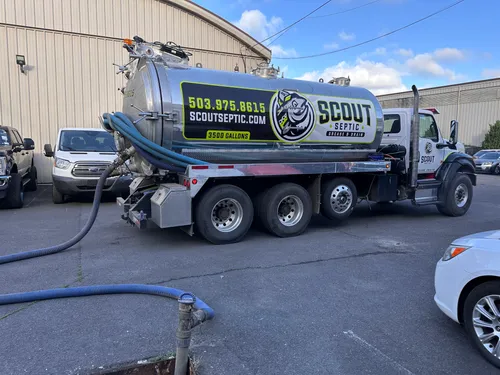
Scout Septic, Grease & Drain
15535 SE 287th Ave, Boring, OR 97009
Scout Septic, Grease & Drain provides septic tank pumping, installation, repair, grease trap cleaning, and drain services in Portland, OR. They serve both residential and commercial clients, offering pipe and drain cleaning including hydro jetting, as well as excavation and grading services. The company uses modern equipment and techniques to maintain and repair wastewater systems efficiently. Scout Septic, Grease & Drain is fully licensed and insured, offers 24/7 availability, and has a satisfaction guarantee.
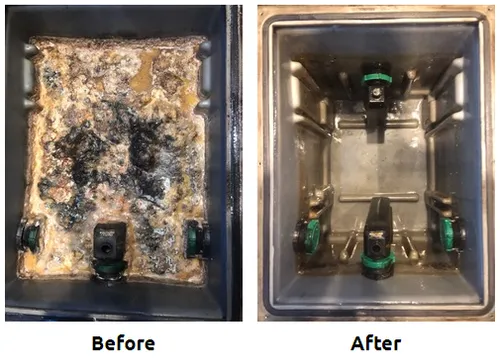
Northwest Biofuel
2223 N Randolph Ave, Portland, OR 97227
Northwest Biofuel is a locally owned company based in Portland, OR, specializing in grease trap cleaning and used cooking oil collection. They serve restaurants and commercial properties throughout Oregon and Washington, offering bundled services that include grease trap cleaning, cooking oil collection, drain cleaning, line jetting, and grease trap repair. The company ensures that 100% of the oil and grease collected is recycled locally into feedstock and clean-burning biodiesel. Northwest Biofuel provides 24/7 emergency service and works with clients to schedule service at convenient times.
Oregon Oils, Inc
2515 NW 28th Ave, Portland, OR 97210
Oregon Oils, Inc is a family-owned company based in Portland, OR, providing used cooking oil collection and grease trap cleaning services. Serving businesses across Oregon and Southwest Washington, they offer customizable solutions including grease trap maintenance and used oil recycling. Their Fryer to Fuel program converts collected cooking oil into biodiesel, supporting sustainable practices. With over 30 years of experience since 1992, Oregon Oils emphasizes environmental responsibility and offers emergency service within one business day.

VeggieScout Oil LLC - Portland
Portland, OR
VeggieScout Oil LLC - Portland offers used cooking oil collection, grease trap cleaning, and septic and drain services in Portland, OR. The company provides grease trap pumping, cleaning, and maintenance along with septic tank pumping, installation, repair, and pipe and drain cleaning using advanced equipment. They also handle excavation and grading projects. VeggieScout Oil LLC emphasizes careful maintenance to prevent backups and clogs and offers 24/7 availability for emergency services.
Baker Commodities Inc
9901 N Hurst Ave, Portland, OR 97203
Baker Commodities Inc is based in Portland, OR, and specializes in used cooking oil collection and recycling services. The company supports the food production and restaurant industries by converting food by-products and used cooking oil into valuable products such as feeding fats, tallow, protein meal, and yellow grease. They also provide rendering, restaurant grease collection, jetting, and fat and bone collection services. With over 75 years of experience, Baker Commodities focuses on sustainability and environmental responsibility through their recycling efforts.
Understanding FOG Regulations in Gresham
Compliance with local regulations is the foundation of any effective used cooking oil management plan. The City of Gresham has clear guidelines to prevent FOG from entering the sanitary sewer system, where it can solidify and cause major blockages, backups, and environmental damage.
- Prohibition on Pouring: It is a direct violation of city code to pour fats, oils, or grease down sinks, floor drains, or into storm drains. This is the most important rule for every kitchen employee to understand.
- Grease Interceptor/Trap Requirements: Most food service establishments are required to have a properly sized and maintained grease interceptor or grease trap. These devices capture FOG before wastewater enters the public sewer, but they require regular professional cleaning to function effectively.
- Best Management Practices (BMPs): The city encourages businesses to adopt BMPs, which include using sink screens (with openings smaller than 3/16 of an inch) to catch food solids and ensuring all kitchen staff are trained on proper FOG handling procedures 1.
Adhering to these rules isn't just about avoiding fines; it's about being a responsible business within the Gresham community and protecting the local infrastructure.
How Professional Grease Collection Works
Partnering with a licensed hauler simplifies compliance and creates a turnkey system for your used oil. The process is designed to be seamless for restaurant operators.
- Container Provision: Your chosen service provider will typically supply the collection containers at no cost. These are specialized, leak-proof bins or barrels, often ranging from 40 to 300 gallons in capacity, that can be placed in a convenient indoor or secure outdoor location 2.
- Proper Storage & Transfer: Kitchen staff collect cooled, used oil in smaller containers and safely transfer it to the designated collection bin. It's crucial to keep the oil free from excessive food debris and water to maintain its quality for recycling.
- Scheduled Pickups: The hauler establishes a regular pickup schedule-often in the early morning hours to avoid disrupting service-and automatically collects the full containers, leaving clean, empty ones in their place 3.
- Recycling & Processing: The collected oil is transported to a processing facility. There, it is filtered and purified to become a valuable feedstock for the production of biodiesel, a cleaner-burning renewable fuel, or other products like glycerin.
Find the perfect used cooking oil collection companies for your needs
Get personalized recommendations and expert advice
The Financials: Costs, Rebates, and Savings
The economics of used cooking oil collection in Gresham are favorable for food businesses. Unlike many waste streams that incur a disposal fee, used oil often has tangible financial benefits.
- Service Structures: Many haulers offer free collection services, covering the cost of containers, pickup, and transportation. Their revenue comes from selling the recycled oil to biodiesel producers. Some models may involve a service fee, but this is frequently offset or eliminated by rebate programs.
- Potential for Rebates: A significant advantage is the potential to earn rebates based on the volume and quality of oil you provide. Providers like NW Biofuel and Oregon Oils offer programs where restaurants are paid for their oil 4 5. For example, a smaller café generating 60 gallons per month might see a rebate, while a high-volume establishment can create a meaningful revenue stream.
- Holistic Cost Savings: Proper oil collection leads to broader savings. It reduces the frequency and cost of grease trap cleaning by preventing overflows and clogs. It can also lower your solid waste disposal costs by diverting a heavy, bulky material from the trash. Furthermore, participating in recycling programs can help your business qualify for local "green business" recognition or credits 6 7.
Synergy with Overall Food Waste Recycling
Used cooking oil collection is one component of a comprehensive food waste strategy. Gresham encourages businesses to separate all organic waste. This means having distinct streams for:
- Used Cooking Oil: For biodiesel conversion.
- Food Scraps: For composting or animal feed programs 8.
- Grease Trap Waste: For specialized treatment by licensed pumpers.
By separating these streams, you ensure each material is recycled into its highest and best use, maximizing environmental benefits and potentially optimizing service costs. Implementing clear, color-coded bins and staff training is key to successful separation 9.
Choosing a Service Provider in Gresham
Several established providers service the Gresham area, including companies like NW Biofuel and Oregon Oils. When evaluating providers, consider the following:
- Licensing & Compliance: Ensure they are fully licensed to operate in Oregon and understand Gresham's specific codes.
- Service Reliability: Look for consistent, on-time pickups to prevent container overflows.
- Container Options: Discuss your space constraints and volume needs to get the right size and type of container.
- Rebate Program Transparency: Understand exactly how their rebate structure works-how prices are determined, payment frequency, and any quality requirements for the oil.
- Additional Services: Some providers may also offer grease trap cleaning or can provide guidance on overall FOG management best practices.
The most effective step is to contact a local hauler for a specific assessment of your restaurant's volume, layout, and needs 10.
Frequently asked questions
Sources
Footnotes
-
Pollution Prevention Restaurants | City of Gresham - https://www.greshamoregon.gov/globalassets/city-departments/environmental-services/water-resources/watershed-management/pollution-prevention-restaurants.pdf ↩
-
What Do Restaurants Do With Their Old Oil and Grease? - NW Biofuel - https://nwbiofuel.com/blog/what-do-restaurants-do-with-their-old-oil-and-grease/ ↩
-
How Restaurants Dispose of Used Cooking Oil - NW Biofuel - https://nwbiofuel.com/blog/how-restaurants-dispose-of-used-cooking-oil/ ↩
-
Cooking Oil Collection | Oregon Oils | Portland OR - https://www.oregonoilsinc.com/cooking-oil-collection ↩
-
Used Cooking Oil Collection Services | NW Biofuel - https://nwbiofuel.com/used-cooking-oil-collection/ ↩
-
Fats, Oil, and Grease Best Management Practices for Businesses - https://www.portland.gov/bes/preventing-pollution/fats-oil-and-grease/best-management-practices ↩
-
Used Cooking Oil Disposal: Complete Guide to Grease Pickups - https://greaseconnections.com/used-cooking-oil-disposal-guide-grease-pickups/ ↩
-
Food Scraps | City of Gresham - https://www.greshamoregon.gov/services/garbage-and-recycling/food-scraps/ ↩
-
Recycle at Work | City of Gresham - https://www.greshamoregon.gov/services/garbage-and-recycling/recycle-at-work/ ↩
-
Grease Collection Service: What is it - Grand Natural Inc - https://www.grandnaturalinc.com/blog/what-is-grease-collection-service.html ↩