Find the Best Used Cooking Oil Collection Companies for Your Business
No obligation • Fast responses • Nationwide coverage

Why you can trust Restaurant Waste Disposal
Restaurant Waste Disposal is a leading U.S. resource for comparing restaurant composting, food-waste recycling, grease trap cleaning, and used cooking oil collection services. Our editorial team researches providers, checks credentials, and organizes unbiased information so operators can make informed decisions. Companies cannot pay to change ratings or placement.
Search providers near you
Top Used Cooking Oil Collection Companies in Tulsa, Oklahoma Ranked
For Tulsa restaurants, managing used cooking oil (UCO) is more than just a cleanup task-it's a critical operational, environmental, and regulatory responsibility. Properly handling this byproduct through professional collection services helps businesses comply with local and state Fats, Oils, and Grease (FOG) ordinances, prevents costly plumbing issues, and can even turn a waste stream into a potential revenue source through rebates. By partnering with a licensed hauler, food service establishments ensure their waste oil is securely collected and recycled into valuable products like biodiesel, contributing to a more sustainable local economy.

Tulsa Household Pollutant Collection Facility
4502 S Galveston Ave, Tulsa, OK 74107
The Tulsa Household Pollutant Collection Facility provides a year-round drop-off location for residential customers to safely dispose of household pollutants in Tulsa, OK. The facility accepts items such as used cooking oil, oil-based paints, automotive fluids, batteries, and small electronics, helping to protect the environment and local water sources. It operates every Wednesday and Saturday and serves Tulsa residents as well as residents from nearby communities with a voucher system. The facility emphasizes proper disposal to prevent hazardous materials from entering sewer and recycling systems.
Brooks Grease Service
3104 N Erie Ave, Tulsa, OK 74115
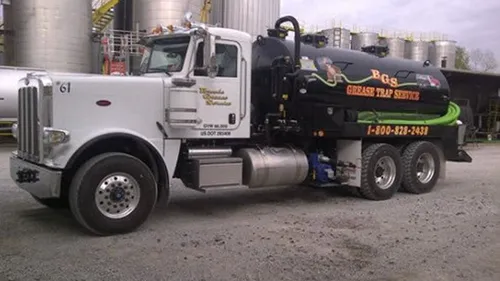
Brooks Grease Service is a family-owned business based in Tulsa, OK, specializing in grease trap cleaning and used cooking oil collection. Serving the Midwest, they provide comprehensive grease trap maintenance, including pressure washing for a thorough clean that extends the life of the system. Established in 1957, Brooks Grease Service brings over 60 years of experience to their work. They also offer a cooking oil recycling program that collects and recycles used oil monthly, supporting eco-friendly practices. The company provides same-day service and 24-hour emergency response to address urgent needs.
Understanding Local Regulations for Oil Disposal
Navigating the rules for grease and oil disposal is essential for any Tulsa food service operator. Compliance protects your business from fines and supports the city's wastewater infrastructure.
- State Container Labeling: Oklahoma state regulations mandate that containers for used cooking oil be clearly and permanently marked with the word "INEDIBLE" in letters at least three inches high 1. This labeling is a key identifier for waste oil that must not re-enter the food chain.
- City of Tulsa FOG Program: The City of Tulsa actively manages FOG to prevent sewer blockages and overflows. Their guidelines emphasize that grease and oil must never be poured down drains 2. Using a professional collection service for your used fryer oil is a primary method of compliance with these city ordinances.
- Licensed Hauler Partnership: Working with a licensed hauler is not just a convenience; it's a cornerstone of regulatory compliance. These providers understand the specific requirements for Tulsa and Oklahoma, ensuring that storage, transportation, and recycling meet all legal standards 3 4.
Best Practices for On-Site Storage and Handling
How you store oil before pickup directly impacts safety, rebate potential, and operational efficiency. Proper protocols prevent accidents and maintain oil quality.
- Use Approved Containers: Storage containers should be dedicated, leak-proof, and made of a non-reactive material like stainless steel. They must have a tight-fitting lid to keep out water and debris 5. Most professional collection companies will provide these containers as part of their service.
- Prioritize Security and Placement: Containers should be kept in a secure, designated area, preferably with a locking mechanism on the bin itself. This deters theft, prevents contamination, and avoids spills. The storage site should be on a stable surface, away from storm drains and water sources.
- Maintain Oil Quality: To maximize any potential rebate, staff should be trained to filter oil after each use and avoid introducing water or food solids into the storage container. Clean, pure used cooking oil is more valuable for recyclers.
The Professional Collection and Recycling Process
Engaging a professional service streamlines the entire process from your kitchen to its new life as a renewable resource.
- Scheduled Pickup: After you fill the provided container, your hauler will collect it on a regular schedule-weekly, bi-weekly, or monthly-tailored to your volume. Companies like Grand Natural Inc. and other local providers service the Tulsa area.
- Transportation and Processing: The collected oil is transported to a processing facility. There, it undergoes filtering and purification to remove any remaining food particles and water 6.
- Transformation into Biofuel: The cleaned oil is then processed into biodiesel, a renewable fuel that can power vehicles and equipment, reducing reliance on fossil fuels and creating a circular economy for your kitchen waste 7.
Cost Structure and Potential Rebates
The financial model for used cooking oil collection is typically volume-dependent. Understanding your output helps set realistic expectations.
- Service-Only Model (Lower Volume): For establishments generating smaller amounts (e.g., under 100 gallons per month), the primary benefit is often free, compliant pickup and disposal. The service cost is built into the hauler's model, with no out-of-pocket fee for the restaurant.
- Rebate-Earning Potential (Higher Volume): Restaurants with medium to high output may qualify for rebates. For volumes between 100-300 gallons per month, small rebates might apply. High-volume producers (over 300 gallons monthly) of clean oil can sometimes earn more significant rebates, effectively turning a waste product into a minor revenue stream. The exact rate depends on market conditions and oil quality.
- The Quality Premium: It cannot be overstated: clean, well-filtered oil free of contaminants commands the best terms, whether that means a higher rebate or more favorable service fees 8.
Find the perfect used cooking oil collection companies for your needs
Get personalized recommendations and expert advice
Getting Started with a Collection Service in Tulsa
Taking the first step toward a professional used cooking oil management plan is straightforward.
- Evaluate Your Needs: Start by estimating how much used oil your kitchen generates. Monitor your fryer usage over a typical week to gauge monthly volume.
- Research Local Providers: Contact established, licensed haulers operating in Tulsa, such as Grand Natural Inc., for consultations 9. Discuss your volume, request details on their container options, and understand their service schedules.
- Implement On-Site Protocols: Once you choose a provider, train your kitchen staff on the proper procedures for filtering, cooling, and transferring oil into the designated collection container. This ensures safety and maximizes the value of your oil.
Environmental and Community Impact
Choosing professional used cooking oil recycling extends benefits far beyond your restaurant's back door. Diverting this material from landfills and sewers significantly reduces environmental strain. When converted to biodiesel, it provides a cleaner-burning alternative to petroleum diesel, lowering greenhouse gas emissions 10. For the Tulsa community, this means supporting local recycling industries and contributing to a more sustainable regional infrastructure, turning everyday kitchen operations into a part of the green economy.
Frequently asked questions
Sources
Footnotes
-
Oklahoma Administrative Code, Part 9, Section 35:37-3-29 - https://regulations.justia.com/states/oklahoma/title-35/chapter-37/subchapter-3/part-9/section-35-37-3-29/ ↩
-
FATS, OILS AND GREASE (FOG) | City of Tulsa - https://www.cityoftulsa.org/media/14484/fog_factsheet.pdf ↩
-
Navigating Legal Requirements for Used Cooking Oil Disposal - https://bakercommodities.com/blog/2024/02/08/legal-requirement-used-cooking-grease/ ↩
-
Used Cooking Oil (UCO) Collection Service For Restaurants - https://thegreasecompany.com/blog/restaurant-used-cooking-oil-collection/ ↩
-
Used Cooking Oil Pickup vs Drop-Off-What's Best for Restaurants? - https://www.greaseprosrecycling.com/used-cooking-oil-pickup-vs-drop-off/ ↩
-
Recycling Used Cooking Oil With Green Grease Environmental - https://www.youtube.com/watch?v=KP05Yx-GkHk ↩
-
Cooking Oil Recycling 2025: Partner with Grease Pros - https://www.greaseprosrecycling.com/cooking-oil-recycling-25/ ↩
-
Used Cooking Oil Disposal: Complete Guide to Grease Pickups - https://greaseconnections.com/used-cooking-oil-disposal-guide-grease-pickups/ ↩
-
Used Cooking Oil Collection Tulsa | Grand Natural Inc - https://www.grandnaturalinc.com/locations/used-cooking-oil-recycling-in-tulsa.html ↩
-
Used Cooking Oil Recycling for Commercial Businesses - https://www.rubicon.com/blog/used-cooking-oil-recycling/ ↩