
Find the Best Used Cooking Oil Collection Companies for Your Business
No obligation • Fast responses • Nationwide coverage

Why you can trust Restaurant Waste Disposal
Restaurant Waste Disposal is a leading U.S. resource for comparing restaurant composting, food-waste recycling, grease trap cleaning, and used cooking oil collection services. Our editorial team researches providers, checks credentials, and organizes unbiased information so operators can make informed decisions. Companies cannot pay to change ratings or placement.
Search providers near you
Best Used Cooking Oil Collection Companies in Oklahoma Ranked
For Oklahoma restaurants, managing used cooking oil (UCO) is more than a routine cleanup task-it's a regulated operational process that, when handled correctly, can prevent costly problems and even generate modest revenue. Proper collection and recycling of UCO are essential for complying with state and local regulations designed to protect sewer systems from harmful fats, oils, and grease (FOG). By partnering with a licensed hauler, food service establishments can transform a waste product into biodiesel, ensure regulatory compliance, and avoid the severe penalties and plumbing disasters associated with improper disposal. This guide outlines the key requirements, benefits, and practical steps for effective used cooking oil management across the Sooner State.

Tulsa Household Pollutant Collection Facility
4502 S Galveston Ave, Tulsa, OK 74107
The Tulsa Household Pollutant Collection Facility provides a year-round drop-off location for residential customers to safely dispose of household pollutants in Tulsa, OK. The facility accepts items such as used cooking oil, oil-based paints, automotive fluids, batteries, and small electronics, helping to protect the environment and local water sources. It operates every Wednesday and Saturday and serves Tulsa residents as well as residents from nearby communities with a voucher system. The facility emphasizes proper disposal to prevent hazardous materials from entering sewer and recycling systems.
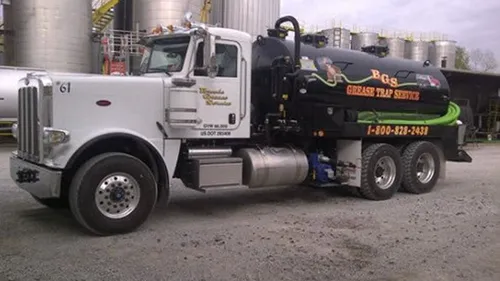
Brooks Grease Service
3104 N Erie Ave, Tulsa, OK 74115
Brooks Grease Service is a family-owned business based in Tulsa, OK, specializing in grease trap cleaning and used cooking oil collection. Serving the Midwest, they provide comprehensive grease trap maintenance, including pressure washing for a thorough clean that extends the life of the system. Established in 1957, Brooks Grease Service brings over 60 years of experience to their work. They also offer a cooking oil recycling program that collects and recycles used oil monthly, supporting eco-friendly practices. The company provides same-day service and 24-hour emergency response to address urgent needs.
Household Hazardous Waste Collection Facility
1621 S Portland Ave, Oklahoma City, OK 73108
Household Hazardous Waste Collection Facility in Oklahoma City, OK, provides a safe location for residents to dispose of household hazardous waste. The facility accepts a wide range of items including automotive products, batteries, lawn and garden chemicals, household cleaning products, paints, and pet-related chemicals. It serves residents from Oklahoma City and nearby communities such as The Village, Yukon, and Edmond. The center also offers a Mobile Neighborhood Collection Program for convenient local disposal. Residents must bring proof of residency to use the service. The facility does not accept ammunition, explosives, radioactive waste, biomedical waste, commercial hazardous waste, tires, medications, or computer equipment. An annual Special Collection Event is held each spring for items like tires, computers, medications, and ammunition.
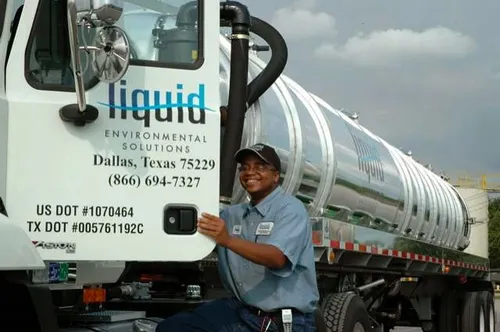
Liquid Environmental Solutions
8524 SW 2nd St, Oklahoma City, OK 73128
Liquid Environmental Solutions is a non-hazardous liquid waste management company based in Oklahoma City, OK. They provide services including used cooking oil collection, grease trap and interceptor cleaning, oil water separator and grit trap cleaning, and wastewater disposal. The company serves industries such as restaurants, grocery stores, convenience stores, automotive services, and environmental services, focusing on compliance and environmental stewardship. Founded over twenty years ago, Liquid Environmental Solutions operates with modern equipment and facilities to support their nationwide service coverage.

Premium Septic
6624 Melrose Ln Suite C, Oklahoma City, OK 73127
Premium Septic is a full-service septic and used cooking oil recycling company based in Oklahoma City, OK. They offer a range of services including septic pumping, maintenance, repairs, system installations (aerobic and conventional), grease trap pumping, hydrojetting, and used cooking oil collection for commercial accounts. Serving central Oklahoma communities, Premium Septic provides solutions for both residential and commercial needs, helping to maintain system compliance and prevent costly issues. Their hydrojetting service effectively removes stubborn clogs and grease buildup to improve plumbing flow and system health. The company emphasizes quick and efficient service, often providing same-day assistance.
Understanding Oklahoma's Regulatory Landscape
Used cooking oil disposal in Oklahoma is governed by a combination of state administrative codes and local municipal ordinances. The primary goal of these rules is to prevent FOG from entering the wastewater system, where it can solidify, cause blockages, and lead to expensive sanitary sewer overflows.
State-Level Requirements: The Oklahoma Administrative Code (OAC 35:37-3-29) sets forth specific rules for "inedible kitchen grease." Key mandates include that all storage and transport containers must be clearly and legibly marked with the word "INEDIBLE" in letters at least three inches high 1. Furthermore, each barrel or container must bear a code assigned by the state to the permitted hauler or transporter, ensuring traceability from your restaurant to the recycling facility 1. Waste oil must be disposed of through a licensed reclaimer or transporter; pouring it down drains, into storm sewers, or on the ground is prohibited 2.
Local Ordinances: Cities like Oklahoma City and Norman have additional, stringent requirements. Both prohibit the pouring of FOG down any drain and mandate that grease traps and interceptors be fully pumped out during servicing. Norman's ordinance specifically requires used cooking oil storage containers to have closed, tight-fitting lids and stipulates that any spills must be cleaned up immediately. Compliance with these local rules is critical to avoid fines and maintain a good standing with municipal water services.
Best Practices for Storage and Handling
Proper on-site handling is the first and most important step in a compliant UCO program. Following these best practices minimizes safety hazards, maintains oil quality for better recycling value, and keeps your facility in line with inspectors.
- Use Approved Containers: Store cooled UCO only in secure, lidded containers provided by or approved by your licensed collection service. These are typically lockable, durable barrels designed to prevent leaks, spills, and tampering 3.
- Ensure Tight Seals: Lids must be closed and tight-fitting at all times when not actively pouring oil. This prevents rainwater contamination, deters pests, and stops odors 4.
- Maintain a Clean Storage Area: Place containers on a stable, paved surface away from high-traffic areas. Keep the area clean and free of spilled oil to reduce slip hazards and avoid attracting insects or rodents.
- Prevent Contamination: The value of your used oil for biodiesel production depends on its purity. Avoid mixing in water, food debris, or other liquids, as this can significantly lower its market value and may incur additional fees from recyclers.
The Collection and Recycling Process
Engaging a professional used cooking oil collection service streamlines compliance and turns a logistical task into a simple, scheduled event. Here's how the typical process works:
- Service Agreement: You partner with a licensed Oklahoma hauler/recycler. They will assess your volume (typically based on fryer count and menu) and provide a tailored service schedule-weekly, bi-weekly, or monthly.
- Container Placement: The service provider supplies specialized collection bins or barrels at no upfront cost. These containers are often lockable for security and are already marked with the required "INEDIBLE" labeling and state codes 5.
- Scheduled Pickups: On your scheduled day, a trained technician arrives, pumps or swaps out the full containers, and leaves clean, empty ones in their place. The process is designed to be quick and non-disruptive to your operations.
- Transport and Recycling: The collected oil is transported in sealed vehicles to a processing facility. In Oklahoma, the vast majority of used cooking oil is refined into biodiesel, a renewable fuel, or used in other bio-based products.
- Documentation: A crucial final step. Reputable services provide a certificate of recycling or a manifest for each pickup. This documentation is your proof of proper, legal disposal and is essential for your regulatory records 6.
Find the perfect used cooking oil collection companies for your needs
Get personalized recommendations and expert advice
Cost Structure and Potential Revenue
The financial model for used cooking oil collection in Oklahoma is primarily volume-based. Unlike traditional waste disposal, which always carries a fee, UCO can be a cost-neutral or even revenue-generating stream for restaurants.
- Free Pickup Services: Many providers offer free collection for establishments generating under 100 gallons of oil per month. This service typically includes the free loan of containers and regular pickups, making it a straightforward way to achieve compliance at zero cost 7 8.
- Payment for Volume: Restaurants producing higher volumes may receive a payment per gallon from the recycler. Rates fluctuate with the commodity market for biodiesel feedstocks but generally range from $0.10 to $0.25 per gallon for moderate volumes (100-300 gallons/month) and can be higher for very large, consistent supplies of clean oil 9 10.
- Factors Influencing Value: The payment you receive depends on oil quality. Clean, well-filtered oil with low water and food sediment content commands a higher price. The frequency and reliability of your supply also matter to recyclers.
- Avoided Costs: It's vital to view UCO recycling through the lens of cost avoidance. Improper disposal leading to sewer line blockages can result in thousands of dollars in emergency plumbing repairs, city fines, and increased utility fees. Professional collection mitigates this risk entirely 11 12.
Choosing a Service Provider in Oklahoma
Selecting the right partner is key to a hassle-free program. Look for a service that offers:
- Oklahoma State Licensing: Verify the hauler is fully licensed and permitted by the state of Oklahoma to transport inedible kitchen grease.
- Compliance-First Approach: The provider should supply compliant, properly marked containers and automatically supply documentation (certificates of recycling) with each pickup.
- Reliability and Service: Look for a company with a strong local reputation for on-time pickups and responsive customer service, including availability for emergency pickups if needed.
- Transparent Terms: Understand the fee or payment structure clearly. Be wary of long-term contracts that lock you in before evaluating service quality.
By implementing a professional used cooking oil collection system, Oklahoma restaurants fulfill an environmental and regulatory duty while potentially offsetting operational costs. It's a practical step toward more sustainable and efficient business management.
Frequently asked questions
Sources
Footnotes
-
Oklahoma Administrative Code, Part 9, Section 35:37-3-29 - https://regulations.justia.com/states/oklahoma/title-35/chapter-37/subchapter-3/part-9/section-35-37-3-29/ ↩ ↩2
-
Okla. Admin. Code § 165:10-7-23 - Disposal of waste oil - https://www.law.cornell.edu/regulations/oklahoma/OAC-165-10-7-23 ↩
-
City of Coweta's Best Management Practice Fats, Oils, and Grease ... - https://www.cityofcoweta-ok.gov/DocumentCenter/View/1697 ↩
-
O-0506-15 - City of Norman - https://www.normanok.gov/sites/default/files/documents/2021-05/Grease%20Bin%20Ordinance.pdf ↩
-
Used Cooking Oil Pickup and Recycling Services in ... - https://www.mahoneyes.com/waste-oil-pickup-recycling-oklahoma-city-ok/ ↩
-
Used Cooking Oil (UCO) Collection Service For Restaurants - https://thegreasecompany.com/blog/restaurant-used-cooking-oil-collection/ ↩
-
How to Store and Prepare Used Cooking Oil for Free Pickup - https://greaseconnections.com/how-to-store-and-prepare-used-cooking-oil-for-free-pickup/ ↩
-
Used Cooking Oil Disposal: Complete Guide to Grease Pickups - https://greaseconnections.com/used-cooking-oil-disposal-guide-grease-pickups/ ↩
-
Used Cooking Oil Pickup vs Drop-Off-What's Best for Restaurants? - https://www.greaseprosrecycling.com/used-cooking-oil-pickup-vs-drop-off/ ↩
-
Restaurant Used Cooking Oil Recycling & Disposal Guide - https://greaseconnections.com/restaurant-used-cooking-oil-disposal-recycling-revenue-guide/ ↩
-
Fats, Oils & Grease | City of OKC - https://www.okc.gov/Services/Water-Trash-Recycling/Wastewater-FOG-and-Pretreatment/Fats-Oils-Grease ↩
-
FOG & Restaurants | City of OKC - https://www.okc.gov/Services/Water-Trash-Recycling/Wastewater-FOG-and-Pretreatment/FOG-Restaurants ↩