Find the Best Used Cooking Oil Collection Companies for Your Business
No obligation • Fast responses • Nationwide coverage

Why you can trust Restaurant Waste Disposal
Restaurant Waste Disposal is a leading U.S. resource for comparing restaurant composting, food-waste recycling, grease trap cleaning, and used cooking oil collection services. Our editorial team researches providers, checks credentials, and organizes unbiased information so operators can make informed decisions. Companies cannot pay to change ratings or placement.
Search providers near you
Top Used Cooking Oil Collection Companies in Oklahoma City, Oklahoma Ranked
For restaurants, food trucks, and commercial kitchens in Oklahoma City, managing used cooking oil (UCO) is more than just a cleaning task-it's a critical component of operational efficiency, environmental responsibility, and regulatory compliance. Properly collecting and recycling this waste oil transforms a potential disposal headache into a valuable resource, contributing to the local circular economy through biodiesel production. In Oklahoma City, this process is governed by specific city ordinances designed to protect the municipal sewer system from harmful Fats, Oils, and Grease (FOG). Partnering with a certified hauler ensures your establishment meets these legal requirements, often while turning your waste into a potential revenue stream or, at minimum, a cost-neutral service.
Household Hazardous Waste Collection Facility
1621 S Portland Ave, Oklahoma City, OK 73108
Household Hazardous Waste Collection Facility in Oklahoma City, OK, provides a safe location for residents to dispose of household hazardous waste. The facility accepts a wide range of items including automotive products, batteries, lawn and garden chemicals, household cleaning products, paints, and pet-related chemicals. It serves residents from Oklahoma City and nearby communities such as The Village, Yukon, and Edmond. The center also offers a Mobile Neighborhood Collection Program for convenient local disposal. Residents must bring proof of residency to use the service. The facility does not accept ammunition, explosives, radioactive waste, biomedical waste, commercial hazardous waste, tires, medications, or computer equipment. An annual Special Collection Event is held each spring for items like tires, computers, medications, and ammunition.
Liquid Environmental Solutions
8524 SW 2nd St, Oklahoma City, OK 73128
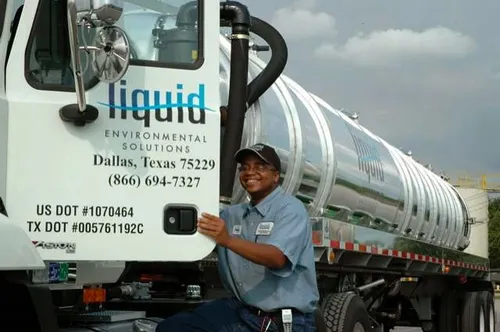
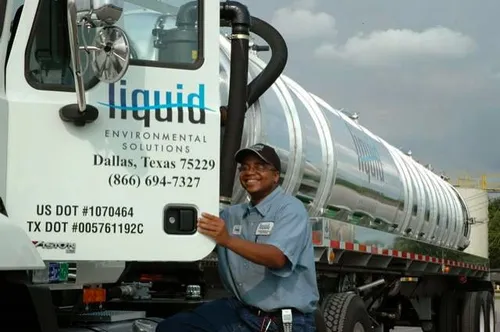
Liquid Environmental Solutions is a non-hazardous liquid waste management company based in Oklahoma City, OK. They provide services including used cooking oil collection, grease trap and interceptor cleaning, oil water separator and grit trap cleaning, and wastewater disposal. The company serves industries such as restaurants, grocery stores, convenience stores, automotive services, and environmental services, focusing on compliance and environmental stewardship. Founded over twenty years ago, Liquid Environmental Solutions operates with modern equipment and facilities to support their nationwide service coverage.

Premium Septic
6624 Melrose Ln Suite C, Oklahoma City, OK 73127
Premium Septic is a full-service septic and used cooking oil recycling company based in Oklahoma City, OK. They offer a range of services including septic pumping, maintenance, repairs, system installations (aerobic and conventional), grease trap pumping, hydrojetting, and used cooking oil collection for commercial accounts. Serving central Oklahoma communities, Premium Septic provides solutions for both residential and commercial needs, helping to maintain system compliance and prevent costly issues. Their hydrojetting service effectively removes stubborn clogs and grease buildup to improve plumbing flow and system health. The company emphasizes quick and efficient service, often providing same-day assistance.
Brooks Grease Services
3131 S Byers Ave, Oklahoma City, OK 73129
Brooks Grease Services is a family-owned company based in Oklahoma City, OK, specializing in grease trap cleaning and used cooking oil collection. Serving the Midwest, they offer comprehensive grease trap maintenance, including complete cleaning and pressure washing to extend system life. Established in 1957, Brooks Grease Services has over 60 years of experience and provides 24-hour emergency service along with same-day service completion. Their cooking oil recycling program supports eco-friendly waste management by collecting and recycling used cooking oil monthly.
Understanding Oklahoma City's FOG Program
The City of Oklahoma City operates a FOG (Fats, Oils, and Grease) program to prevent sewer blockages and overflows, which can lead to costly backups and environmental damage 1. For any food service establishment generating grease or used oil, compliance is mandatory. The cornerstone of this program is the requirement to use only city-permitted haulers for the removal of both grease trap waste and used cooking oil 1. These licensed transporters are familiar with local codes and provide the necessary documentation to prove your business is handling waste responsibly. Non-compliance can result in significant fines, making it essential to verify your service provider is on the city's official list.
How Commercial Oil Collection and Recycling Works
The process for used fryer oil recycling in OKC is a streamlined partnership between your kitchen and your service provider.
- Containment & Storage: After use, oil is safely transferred into dedicated, secure containers. These are typically provided by the collection company and must be clearly marked with the word "INEDIBLE" in letters at least three inches high, as per state regulations. Proper lids are crucial to prevent contamination, spills, and theft.
- Scheduled Pickup: Based on your volume of oil production-whether daily, weekly, or monthly-your hauler will establish a reliable collection schedule. They operate specialized trucks with vacuum pumps designed for this purpose.
- Collection: On service day, a technician will pump the used oil from your storage containers directly into the truck's tank. For businesses with larger volumes, some providers may install bulk storage tanks.
- Transportation & Processing: The collected oil is transported to a recycling facility. There, it is cleaned and processed to become a raw material for new products.
- Documentation: Reputable haulers provide service tickets or manifests for your records, which serve as proof of proper disposal for city inspections 2 3.
The Recycling Journey: From Fryer to Fuel
The used vegetable oil collected from Oklahoma City restaurants doesn't go to a landfill. Instead, it begins a second life as a valuable feedstock for renewable energy. At recycling centers, the oil undergoes filtration to remove food particles and water. The purified oil is then transformed through a chemical process called transesterification into biodiesel, a clean-burning alternative to petroleum diesel 4 5. This biodiesel can power trucks, farm equipment, and even fleets. Increasingly, this used cooking oil is also a key ingredient in the production of Sustainable Aviation Fuel (SAF), helping to decarbonize the aviation industry 6. By participating in oil collection, your business directly supports these green energy initiatives.
Container and Storage Best Practices
Adhering to storage rules is vital for safety, compliance, and maintaining the quality-and therefore the value-of your used oil.
- Use Designated Barrels: Only use containers provided or approved by your hauler for oil storage. Do not use makeshift containers.
- Clear Labeling: As mentioned, "INEDIBLE" labeling is a legal requirement in Oklahoma to prevent accidental reuse 7.
- Secure Location: Keep containers in a secure, accessible area for collection crews, but protected from weather and potential tampering. A covered, locked enclosure is ideal.
- Prevent Contamination: Ensure no water, chemicals, or solid waste enters the oil container, as this can degrade the oil and complicate the recycling process.
- Grease Trap Maintenance: Remember that used cooking oil collection is separate from grease trap servicing. Grease interceptors must be pumped out completely on a regular schedule to function correctly, and the waste must be handled by a permitted hauler 8.
Find the perfect used cooking oil collection companies for your needs
Get personalized recommendations and expert advice
Potential Costs and Revenue for Your Business
The financial model for used cooking oil collection in Oklahoma City often depends on your monthly volume. Many providers structure their services to make recycling accessible and incentivize proper disposal.
- Lower Volume Establishments: If your business generates less than 40 gallons of used oil per month, you may incur a modest service fee to cover the costs of pickup and recycling. This fee is often far less than the cost of improper disposal or potential fines.
- Higher Volume Establishments: For restaurants that produce approximately 40 gallons or more per month, collection services are frequently offered at no charge. Furthermore, you may be eligible for a rebate based on the quantity and quality of oil you provide 9 10. Payment rates can vary with market conditions but demonstrate that your used oil has tangible value in the commodity market.
Choosing a Service Provider in OKC
Selecting the right partner is crucial. Start by consulting the City of Oklahoma City's website for its current list of permitted grease and oil waste transporters. When evaluating companies, consider the following:
- Local Compliance: Confirm they are permitted with the City of OKC and understand local codes.
- Service Reliability: Look for a provider with a reputation for consistent, on-time pickups.
- Container Provision: Ensure they supply compliant, well-maintained storage containers.
- Transparent Policies: Understand their fee structure, rebate program (if any), and contract terms.
- Sustainability Commitment: Inquire about their end processor to ensure your oil is truly being recycled into biofuels.
Proper management of used cooking oil is a clear win for Oklahoma City businesses. It ensures regulatory compliance, reduces environmental impact, supports the local green economy, and can improve your bottom line. By establishing a routine with a trusted, permitted hauler, you turn a waste product into a resource.
Frequently asked questions
Sources
Footnotes
-
FOG & Restaurants | City of OKC - https://www.okc.gov/Services/Water-Trash-Recycling/Wastewater-FOG-and-Pretreatment/FOG-Restaurants ↩ ↩2
-
Used Cooking Oil Collection Oklahoma City - https://www.grandnaturalinc.com/locations/used-cooking-oil-recycling-in-oklahoma-city.html ↩
-
Used Cooking Oil (UCO) Collection Service For Restaurants - https://thegreasecompany.com/blog/restaurant-used-cooking-oil-collection/ ↩
-
Used Cooking Oil Pickup and Recycling Services in ... - https://www.mahoneyes.com/waste-oil-pickup-recycling-oklahoma-city-ok/ ↩
-
How to Recycle Fryer Oil - Mahoney Environmental - https://www.mahoneyes.com/how-to-recycle-fryer-oil/ ↩
-
Cooking Oil Recycling 2025: Partner with Grease Pros - https://www.greaseprosrecycling.com/cooking-oil-recycling-25/ ↩
-
Okla. Admin. Code § 35:37-3-29 - Requirements for barrels used in ... - https://www.law.cornell.edu/regulations/oklahoma/OAC-35-37-3-29 ↩
-
§ 8-3A-9 GREASE, OIL AND SAND TRAPS AND INTERCEPTORS. - https://codelibrary.amlegal.com/codes/enidok/latest/enid_ok/0-0-0-7618 ↩
-
Restaurant Used Cooking Oil Recycling & Disposal Guide - https://greaseconnections.com/restaurant-used-cooking-oil-disposal-recycling-revenue-guide/ ↩
-
Do you get paid for used cooking oil? : r/cookingoilrecycling - Reddit - https://www.reddit.com/r/cookingoilrecycling/comments/1kvlxl5/do_you_get_paid_for_used_cooking_oil/ ↩