Find the Best Used Cooking Oil Collection Companies for Your Business
No obligation • Fast responses • Nationwide coverage

Why you can trust Restaurant Waste Disposal
Restaurant Waste Disposal is a leading U.S. resource for comparing restaurant composting, food-waste recycling, grease trap cleaning, and used cooking oil collection services. Our editorial team researches providers, checks credentials, and organizes unbiased information so operators can make informed decisions. Companies cannot pay to change ratings or placement.
Search providers near you
Top Used Cooking Oil Collection Companies in Norman, Oklahoma Ranked
For restaurants and food service establishments in Norman, managing used cooking oil (UCO) is a critical operational and environmental responsibility. Proper disposal of fats, oils, and grease (FOG) is not just a best practice-it's a city mandate designed to protect the local sewer system from costly blockages and overflows. By partnering with a professional collection service, Norman businesses can transform a waste product into a valuable resource, often generating rebates while ensuring full compliance with local regulations. This guide outlines the essential steps, rules, and benefits of establishing a reliable waste oil recycling program for your establishment.
Household Hazardous Waste Collection Facility
1621 S Portland Ave, Oklahoma City, OK 73108
Household Hazardous Waste Collection Facility in Oklahoma City, OK, provides a safe location for residents to dispose of household hazardous waste. The facility accepts a wide range of items including automotive products, batteries, lawn and garden chemicals, household cleaning products, paints, and pet-related chemicals. It serves residents from Oklahoma City and nearby communities such as The Village, Yukon, and Edmond. The center also offers a Mobile Neighborhood Collection Program for convenient local disposal. Residents must bring proof of residency to use the service. The facility does not accept ammunition, explosives, radioactive waste, biomedical waste, commercial hazardous waste, tires, medications, or computer equipment. An annual Special Collection Event is held each spring for items like tires, computers, medications, and ammunition.
Liquid Environmental Solutions
8524 SW 2nd St, Oklahoma City, OK 73128
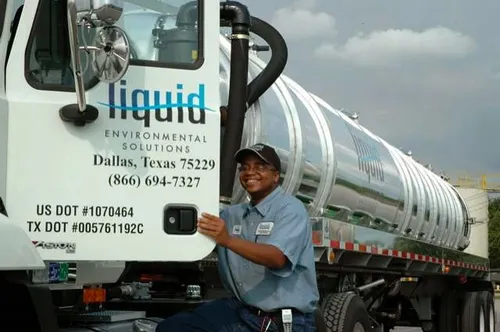
Liquid Environmental Solutions is a non-hazardous liquid waste management company based in Oklahoma City, OK. They provide services including used cooking oil collection, grease trap and interceptor cleaning, oil water separator and grit trap cleaning, and wastewater disposal. The company serves industries such as restaurants, grocery stores, convenience stores, automotive services, and environmental services, focusing on compliance and environmental stewardship. Founded over twenty years ago, Liquid Environmental Solutions operates with modern equipment and facilities to support their nationwide service coverage.

Premium Septic
6624 Melrose Ln Suite C, Oklahoma City, OK 73127
Premium Septic is a full-service septic and used cooking oil recycling company based in Oklahoma City, OK. They offer a range of services including septic pumping, maintenance, repairs, system installations (aerobic and conventional), grease trap pumping, hydrojetting, and used cooking oil collection for commercial accounts. Serving central Oklahoma communities, Premium Septic provides solutions for both residential and commercial needs, helping to maintain system compliance and prevent costly issues. Their hydrojetting service effectively removes stubborn clogs and grease buildup to improve plumbing flow and system health. The company emphasizes quick and efficient service, often providing same-day assistance.
Brooks Grease Services
3131 S Byers Ave, Oklahoma City, OK 73129
Brooks Grease Services is a family-owned company based in Oklahoma City, OK, specializing in grease trap cleaning and used cooking oil collection. Serving the Midwest, they offer comprehensive grease trap maintenance, including complete cleaning and pressure washing to extend system life. Established in 1957, Brooks Grease Services has over 60 years of experience and provides 24-hour emergency service along with same-day service completion. Their cooking oil recycling program supports eco-friendly waste management by collecting and recycling used cooking oil monthly.
Understanding Norman's FOG Program Requirements
The City of Norman operates a specific Fats, Oils, and Grease (FOG) program that all food service establishments must join. Participation is mandatory and involves several key components designed to prevent grease from entering the wastewater system.
Key Mandates for Restaurants:
- No Drain Disposal: It is illegal to pour any used cooking oil, grease, or food scraps down sinks, floor drains, or toilets.
- Grease Interceptor/Trap Maintenance: Facilities are required to have properly sized and functioning grease interceptors or traps. These devices must be cleaned and maintained regularly to prevent grease from escaping into the sewer lines.
- Secure Storage for Grease and Oil: Both liquid used cooking oil and solid grease scraps must be stored in designated, secure containers-not in regular city trash bins. For oil, this typically means using locked collection bins provided by your hauler to prevent theft and contamination 1 2.
- Annual Fee and Compliance: The city requires an annual participation fee, which is approximately $100, and you must submit a participation letter as part of the FOG program.
Adhering to these rules is the first step in a compliant grease management strategy. Failure to comply can result in significant fines and is a leading cause of sewer backups, which can damage property and the environment 3.
The Professional Collection and Recycling Process
Engaging a licensed used cooking oil collection service streamlines compliance and turns waste into a commodity. The process is straightforward and integrated into your kitchen's routine.
Step-by-Step Collection:
- On-Site Storage: After frying, cooled UCO is poured into a dedicated, sealed collection container provided by your recycling partner. These containers are often lockable to secure the contents.
- Scheduling Pickups: You establish a pickup schedule with your service provider (e.g., weekly, bi-weekly, or as needed based on your volume). Companies like Mahoney Environmental and Grand Natural Inc. service the Oklahoma City metro area, including Norman 4 5.
- Professional Pickup: On the scheduled day, a trained technician arrives, pumps the oil from your container into their specialized truck, and leaves you with a clean, empty container.
- Transport and Processing: The collected oil is transported to a processing facility where it is filtered and purified.
- Recycling into Biofuel: The primary end product for recycled UCO is biodiesel, a renewable, cleaner-burning fuel. This process ensures your kitchen waste supports sustainable energy production.
- Documentation for Your Records: A reputable hauler will provide you with documentation, such as a manifest or receipt, detailing the volume collected. This paperwork is crucial for proving compliance with city and environmental regulations 6.
Find the perfect used cooking oil collection companies for your needs
Get personalized recommendations and expert advice
Financial Considerations: Costs, Rebates, and Value
Managing used cooking oil involves both costs and potential revenue. Understanding this balance helps you choose the right service partner.
Participation Costs: The primary fixed cost is the City of Norman's annual FOG program fee, which is around $100 7. For the collection service itself, many providers offer their containers and regular pickups at no direct charge because the value of the recycled oil covers their operational costs.
Generating Revenue from Rebates: The cleaner and greater the volume of oil you produce, the more valuable it is to recyclers. Many services offer rebate programs that pay restaurants for their used oil.
- Rebate Rates: Payments can range from $0.10 to $0.65 per gallon, depending on market conditions and oil quality 8 9.
- Volume Matters: Establishments producing over 100-200 gallons per month are typically in a stronger position to negotiate favorable rebate rates.
- Offsetting Expenses: These rebates can effectively offset the city's annual fee and other related costs, turning a compliance expense into a minor revenue stream or cost-neutral operation.
Best Practices for On-Site Grease Management
Maximizing safety, efficiency, and oil quality starts in your kitchen. Implementing a few best practices protects your staff, your property, and the value of your oil.
- Cool Before Transferring: Always allow oil to cool completely before transferring it to the storage container to prevent burns and fires.
- Avoid Contamination: Keep food scraps, water, and other solids out of the UCO collection bin. Contaminants reduce the oil's value for recycling and can complicate the biodiesel production process.
- Regular Grease Trap Cleaning: Don't neglect your grease interceptor. Schedule regular cleanings with a licensed service to prevent overflows, foul odors, and violations. Solid grease from trap cleanings should be disposed of separately as directed by your cleaner, not in the liquid oil bin.
- Train Your Staff: Ensure all kitchen staff understand the "No FOG Down the Drain" rule and the proper procedures for handling and storing used oil and grease 10.
Choosing a Collection Service in Norman
Selecting the right partner is crucial for reliable service and maximizing your program's benefits. Look for a provider that is licensed, insured, and familiar with Norman's specific municipal codes.
Key Selection Criteria:
- Local Compliance Knowledge: The company should understand and help you navigate the City of Norman's FOG program requirements.
- Reliability and Scheduling: Choose a provider known for consistent, on-time pickups to avoid overflows and mess.
- Transparent Rebate Program: If a rebate is offered, understand how it's calculated, how often you'll be paid, and what factors affect the price per gallon.
- Customer Service: Opt for a company that provides clear documentation and is responsive to questions or schedule changes.
Partnering with a professional used cooking oil collection service is a strategic decision for any Norman restaurant. It ensures regulatory compliance, protects the local infrastructure from grease-related damage, and aligns your business with sustainable practices by contributing to the production of renewable biofuel 11 12. By viewing your used oil not as waste but as a recyclable commodity, you can streamline operations, reduce environmental impact, and potentially improve your bottom line.
Frequently asked questions
Sources
Footnotes
-
O-0506-15 - City of Norman - https://www.normanok.gov/sites/default/files/documents/2021-05/Grease%20Bin%20Ordinance.pdf ↩
-
UTILITIES DEPARTMENT COLLECTS FOG FOG stands for Fat, Oil ... - https://www.facebook.com/cityofnormanok/posts/utilities-department-collects-fogfog-stands-for-fat-oil-and-grease-the-city-of-n/1263053510378185/ ↩
-
Fats, Oils & Grease | City of OKC - https://www.okc.gov/Services/Water-Trash-Recycling/Wastewater-FOG-and-Pretreatment/Fats-Oils-Grease ↩
-
Used Cooking Oil Pickup and Recycling Services in ... - https://www.mahoneyes.com/waste-oil-pickup-recycling-oklahoma-city-ok/ ↩
-
Used Cooking Oil Collection Oklahoma City | Grand Natural Inc - https://www.grandnaturalinc.com/locations/used-cooking-oil-recycling-in-oklahoma-city.html ↩
-
Navigating Legal Requirements for Used Cooking Oil Disposal - https://bakercommodities.com/blog/2024/02/08/legal-requirement-used-cooking-grease/ ↩
-
Fats Oils, and Grease (FOG) Program | City of Norman, OK - https://www.normanok.gov/fats-oils-and-grease-fog-program ↩
-
Used Cooking Oil Disposal: Complete Guide to Grease Pickups - https://greaseconnections.com/used-cooking-oil-disposal-guide-grease-pickups/ ↩
-
Restaurant Used Cooking Oil Recycling & Disposal Guide - https://greaseconnections.com/restaurant-used-cooking-oil-disposal-recycling-revenue-guide/ ↩
-
Keep Fats, Oils and Grease out of our drains! - City of Norman - https://www.normanok.gov/sites/default/files/documents/2021-05/Restaurant%20Dos%20%26%20Donts%20Poster-rev.pdf ↩
-
Used Cooking Oil Pickup vs Drop-Off-What's Best for Restaurants? - https://www.greaseprosrecycling.com/used-cooking-oil-pickup-vs-drop-off/ ↩
-
Used Cooking Oil (UCO) Collection Service For Restaurants - https://thegreasecompany.com/blog/restaurant-used-cooking-oil-collection/ ↩