Find the Best Used Cooking Oil Collection Companies for Your Business
No obligation • Fast responses • Nationwide coverage

Why you can trust Restaurant Waste Disposal
Restaurant Waste Disposal is a leading U.S. resource for comparing restaurant composting, food-waste recycling, grease trap cleaning, and used cooking oil collection services. Our editorial team researches providers, checks credentials, and organizes unbiased information so operators can make informed decisions. Companies cannot pay to change ratings or placement.
Search providers near you
Top Used Cooking Oil Collection Companies in Midwest City, Oklahoma Ranked
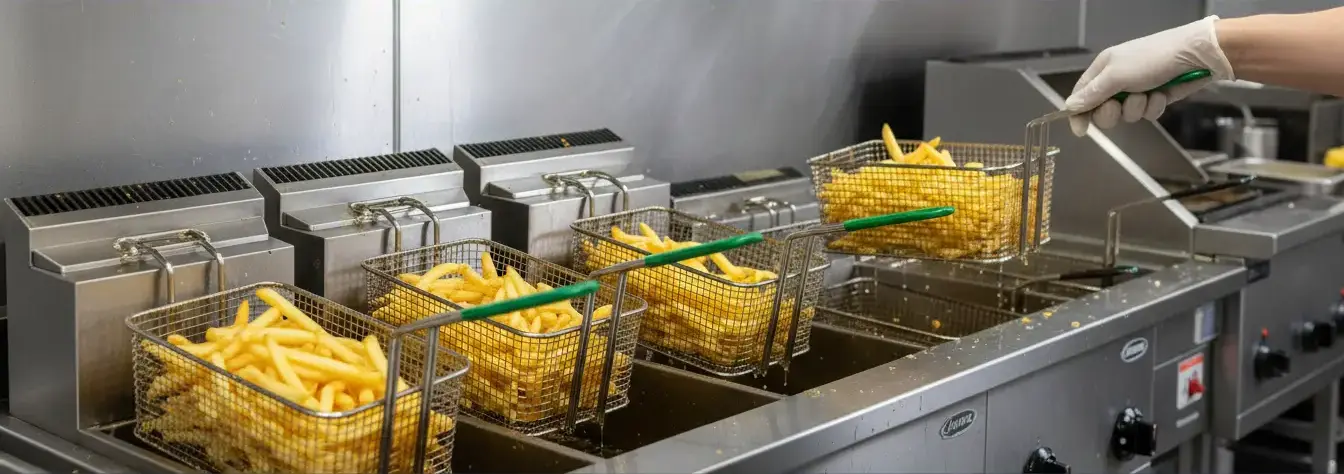
For restaurants in Midwest City, managing used cooking oil (UCO) is a critical operational task that intersects with local regulations, environmental responsibility, and potential cost recovery. Proper disposal of this grease trap and fryer oil waste is mandated by city and state codes to protect the municipal sewer system from harmful fats, oils, and grease (FOG). By partnering with a licensed hauler for scheduled collection, your establishment can ensure compliance, contribute to the circular economy through recycling into products like biodiesel, and may even qualify for rebates based on the volume and quality of oil you generate. Navigating this process correctly turns a waste product into a managed resource.
Household Hazardous Waste Collection Facility
1621 S Portland Ave, Oklahoma City, OK 73108
Household Hazardous Waste Collection Facility in Oklahoma City, OK, provides a safe location for residents to dispose of household hazardous waste. The facility accepts a wide range of items including automotive products, batteries, lawn and garden chemicals, household cleaning products, paints, and pet-related chemicals. It serves residents from Oklahoma City and nearby communities such as The Village, Yukon, and Edmond. The center also offers a Mobile Neighborhood Collection Program for convenient local disposal. Residents must bring proof of residency to use the service. The facility does not accept ammunition, explosives, radioactive waste, biomedical waste, commercial hazardous waste, tires, medications, or computer equipment. An annual Special Collection Event is held each spring for items like tires, computers, medications, and ammunition.
Liquid Environmental Solutions
8524 SW 2nd St, Oklahoma City, OK 73128
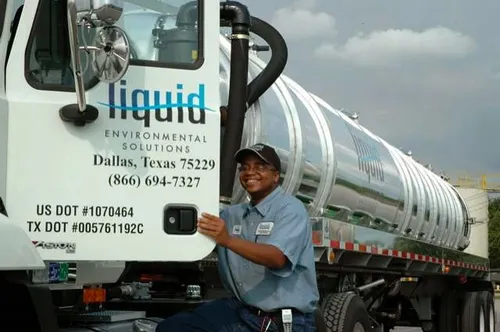
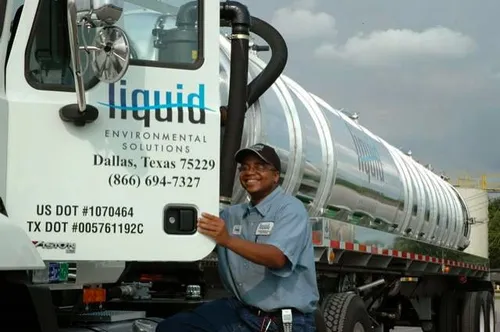
Liquid Environmental Solutions is a non-hazardous liquid waste management company based in Oklahoma City, OK. They provide services including used cooking oil collection, grease trap and interceptor cleaning, oil water separator and grit trap cleaning, and wastewater disposal. The company serves industries such as restaurants, grocery stores, convenience stores, automotive services, and environmental services, focusing on compliance and environmental stewardship. Founded over twenty years ago, Liquid Environmental Solutions operates with modern equipment and facilities to support their nationwide service coverage.

Premium Septic
6624 Melrose Ln Suite C, Oklahoma City, OK 73127
Premium Septic is a full-service septic and used cooking oil recycling company based in Oklahoma City, OK. They offer a range of services including septic pumping, maintenance, repairs, system installations (aerobic and conventional), grease trap pumping, hydrojetting, and used cooking oil collection for commercial accounts. Serving central Oklahoma communities, Premium Septic provides solutions for both residential and commercial needs, helping to maintain system compliance and prevent costly issues. Their hydrojetting service effectively removes stubborn clogs and grease buildup to improve plumbing flow and system health. The company emphasizes quick and efficient service, often providing same-day assistance.
Brooks Grease Services
3131 S Byers Ave, Oklahoma City, OK 73129
Brooks Grease Services is a family-owned company based in Oklahoma City, OK, specializing in grease trap cleaning and used cooking oil collection. Serving the Midwest, they offer comprehensive grease trap maintenance, including complete cleaning and pressure washing to extend system life. Established in 1957, Brooks Grease Services has over 60 years of experience and provides 24-hour emergency service along with same-day service completion. Their cooking oil recycling program supports eco-friendly waste management by collecting and recycling used cooking oil monthly.
Understanding Local Regulations for Grease Disposal
Compliance begins with knowing the rules. In the Midwest City and Oklahoma City metro area, specific ordinances govern how food service establishments must handle their used fryer oil and grease interceptor waste.
- Prohibited Disposals: It is illegal to pour used cooking oil or grease down sinks, floor drains, or any other sanitary sewer connection. This practice leads to severe sewer blockages and can result in significant fines 1.
- Container Standards: Storage barrels or containers for inedible grease must be durably labeled. Regulations often require the word "INEDIBLE" to be printed in letters at least three inches high, along with an assigned code for tracking purposes 2.
- Manifest Tracking: All grease waste must be tracked from "cradle to grave." Licensed haulers provide a manifest document during each pickup, which serves as your legal proof of proper disposal and is essential for compliance records 3.
- Grease Trap Maintenance: For grease interceptor and trap service, regulations typically require that they be pumped completely (100% of contents) by a permitted hauler. Decanting liquid back into the trap after pumping is prohibited 4.
The Step-by-Step Collection Process
Implementing a reliable used vegetable oil collection system involves a few key stages, from secure storage to documented pickup.
1. On-Site Storage & Safety
Once oil has cooled, it should be transferred into a dedicated, secure outdoor container provided or approved by your collection service. These containers are typically lockable to prevent theft and contamination. They should be placed on a stable, paved surface away from storm drains and sources of heat or ignition. Proper storage minimizes odors, pests, and safety hazards while preserving the oil's quality for recycling 5.
2. Scheduling & Service
You will establish a regular pickup schedule-monthly, bi-weekly, or weekly-based on your kitchen's oil production volume. When service is due, a collection truck from your provider (such as Mahoney Environmental, Grand Natural Inc., or Brooks Grease Service) arrives at your location.
3. The Pump-Out & Documentation
A technician will pump the contents of your storage container directly into the truck's sealed tank. After the pickup is complete, you should receive a dated manifest or service receipt. This document details the quantity collected and is a vital part of your regulatory compliance file. Always retain these records 6.
From Waste to Resource: The Recycling Journey
The used cooking oil collected from Midwest City restaurants doesn't just disappear; it begins a new life as a valuable feedstock. After collection, the oil is transported to a processing facility. There, it undergoes filtration and purification to remove food particles and water. The cleaned oil is then a primary ingredient in the production of biodiesel, a renewable, cleaner-burning fuel alternative. It can also be used in animal feed supplements, industrial lubricants, and other bio-based products. This recycling process is the cornerstone of the service's environmental benefit, diverting waste from landfills and reducing fossil fuel dependence.
Find the perfect used cooking oil collection companies for your needs
Get personalized recommendations and expert advice
Cost Structure and Potential Rebates
A common question from restaurant operators is about the cost of used cooking oil pickup. The model often operates on a rebate or revenue-sharing system, meaning your cost can be neutral or even positive, depending on your output.
- Free Pickup for Lower Volumes: Establishments generating smaller amounts of oil (often under 100 gallons per month) can typically expect free collection and recycling services. At this tier, the value of the recycled material generally covers the cost of service.
- Earning Rebates for Higher Volumes: If your restaurant produces significant, consistent volumes of clean oil, you may qualify for a rebate check. Rebates are typically calculated per gallon and paid periodically.
- Quality is Key: The single biggest factor influencing your rebate rate is the quality of your used oil. Oil that is kept free of excess water, food sediment, and other contaminants is more valuable to recyclers. Proper filtering during kitchen transfer and using locked, covered storage containers helps maintain high quality and maximize your potential earnings.
Choosing a Service Provider in Midwest City
Selecting a reliable used cooking oil collection partner is crucial. Look for a provider that is fully licensed and permitted to operate in Midwest City and Oklahoma County. Key local and regional service providers include Mahoney Environmental, Grand Natural Inc., and Brooks Grease Service 10 11 12 13. When evaluating companies, consider their service reliability, container maintenance, clarity of documentation (manifests), and transparency in rebate calculations. A good partner acts as a compliance ally, helping you navigate local FOG regulations efficiently.
Best Practices for Restaurant Managers
- Train Your Staff: Ensure every kitchen employee knows to pour cooled oil only into the designated collection container-never down the drain.
- Filter at the Fryer: Use fine mesh filters when transferring oil from fryer vats to storage drums to remove food solids. This simple step dramatically improves oil quality.
- Secure Your Asset: Keep your outdoor collection bin locked. Used cooking oil has a market value and is subject to theft, which can disrupt your service and records.
- Maintain Records: File every service manifest and rebate statement in an organized, accessible manner. These documents are your first line of defense in a regulatory audit.
- Communicate with Your Hauler: If your oil volume changes significantly (e.g., after a menu change or during a seasonal rush), contact your provider to adjust your pickup schedule. This prevents overflows and ensures consistent service.
Frequently asked questions
Sources
Footnotes
-
Pollution Prevention at Home | Midwest City Oklahoma - https://www.midwestcityok.org/publicworks/page/pollution-prevention-home ↩
-
Okla. Admin. Code § 35:37-3-29 - Requirements for barrels used in ... - https://www.law.cornell.edu/regulations/oklahoma/OAC-35-37-3-29 ↩
-
FOG & Restaurants | City of OKC - https://www.okc.gov/Services/Water-Trash-Recycling/Wastewater-FOG-and-Pretreatment/FOG-Restaurants ↩
-
DIVISION 6. | Code of Ordinances | Midwest City, OK - https://librarystage.municode.com/ok/midwest_city/codes/code_of_ordinances?nodeId=COMIOKVOII_CH43WASESEDISTQU_ARTIIISESEDI_DIV6FAOIGRCORECOES ↩
-
Used Cooking Oil Pickup vs Drop-Off-What's Best for Restaurants? - https://www.greaseprosrecycling.com/used-cooking-oil-pickup-vs-drop-off/ ↩
-
Restaurant Oil Disposal: Explained - Eazy Grease - https://eazygrease.com/how-do-restaurants-get-rid-of-their-oil/ ↩
-
Restaurant Used Cooking Oil Recycling & Disposal Guide - https://greaseconnections.com/restaurant-used-cooking-oil-disposal-recycling-revenue-guide/ ↩ ↩2
-
Used Cooking Oil Disposal: Complete Guide to Grease Pickups - https://greaseconnections.com/used-cooking-oil-disposal-guide-grease-pickups/ ↩
-
Used Cooking Oil (UCO) Collection Service For Restaurants - https://thegreasecompany.com/blog/restaurant-used-cooking-oil-collection/ ↩
-
Restaurant Grease Pick Up & Disposal Services in Oklahoma City, OK - https://www.mahoneyes.com/fryer-oil-disposal-recycling-oklahoma-city-ok/ ↩
-
Brooks Grease Service | Grease Traps | The Midwest - https://www.brooksgreaseservice.com/ ↩
-
Used Cooking Oil Collection Oklahoma City | Grand Natural Inc - https://www.grandnaturalinc.com/locations/used-cooking-oil-recycling-in-oklahoma-city.html ↩
-
Used Cooking Oil Pickup and Recycling Services in ... - https://www.mahoneyes.com/waste-oil-pickup-recycling-oklahoma-city-ok/ ↩