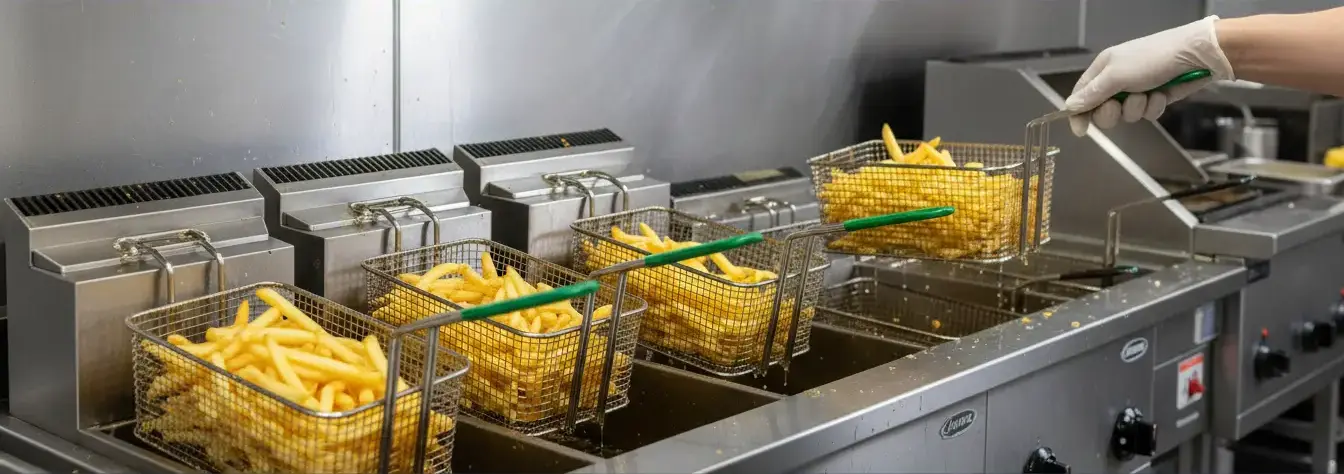
Find the Best Used Cooking Oil Collection Companies for Your Business
No obligation • Fast responses • Nationwide coverage

Why you can trust Restaurant Waste Disposal
Restaurant Waste Disposal is a leading U.S. resource for comparing restaurant composting, food-waste recycling, grease trap cleaning, and used cooking oil collection services. Our editorial team researches providers, checks credentials, and organizes unbiased information so operators can make informed decisions. Companies cannot pay to change ratings or placement.
Search providers near you
Top Used Cooking Oil Collection Companies in Broken Arrow, Oklahoma Ranked
For restaurants and food service establishments in Broken Arrow, managing used cooking oil (UCO) is a critical operational task that intersects with environmental responsibility, regulatory compliance, and potential revenue. Professional waste oil pickup services provide a streamlined solution, handling everything from the installation of secure storage containers to the scheduled collection and recycling of the oil into valuable biofuels like renewable diesel. Adhering to the City of Broken Arrow's Fats, Rags, Oil, and Grease (FROG) program guidelines is not just a best practice-it's essential for preventing sewer blockages and avoiding costly fines. By partnering with a reliable collection service, local businesses can turn a waste product into a resource, ensuring safety, convenience, and environmental stewardship.

Tulsa Household Pollutant Collection Facility
4502 S Galveston Ave, Tulsa, OK 74107
The Tulsa Household Pollutant Collection Facility provides a year-round drop-off location for residential customers to safely dispose of household pollutants in Tulsa, OK. The facility accepts items such as used cooking oil, oil-based paints, automotive fluids, batteries, and small electronics, helping to protect the environment and local water sources. It operates every Wednesday and Saturday and serves Tulsa residents as well as residents from nearby communities with a voucher system. The facility emphasizes proper disposal to prevent hazardous materials from entering sewer and recycling systems.
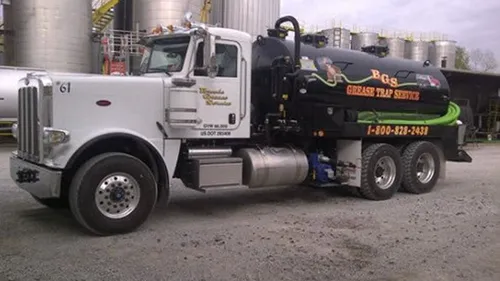
Brooks Grease Service
3104 N Erie Ave, Tulsa, OK 74115
Brooks Grease Service is a family-owned business based in Tulsa, OK, specializing in grease trap cleaning and used cooking oil collection. Serving the Midwest, they provide comprehensive grease trap maintenance, including pressure washing for a thorough clean that extends the life of the system. Established in 1957, Brooks Grease Service brings over 60 years of experience to their work. They also offer a cooking oil recycling program that collects and recycles used oil monthly, supporting eco-friendly practices. The company provides same-day service and 24-hour emergency response to address urgent needs.
Understanding Local Regulations for Oil Disposal
The City of Broken Arrow actively manages grease waste through its FROG (Fats, Rags, Oil, and Grease) program under the Industrial Pretreatment Program. The primary goal is to prevent these materials from entering the sanitary sewer system, where they can cool, solidify, and cause major blockages and backups. These incidents can lead to expensive emergency repairs for the city and potential surcharges or violations for the business responsible.
Key local requirements and recommendations include:
- Prohibited Disposal: Never pour used fryer oil, fats, or grease down sinks, floor drains, or toilets.
- Proper Storage: Waste oil should be stored in sealed, durable containers. The city has even promoted initiatives like offering free jugs to residents and businesses to encourage proper collection and keep grease out of the drains 1.
- Best Management Practices (BMPs): Implementing BMPs, such as using grease interceptors (grease traps) and ensuring staff are trained on proper waste handling, is crucial for compliance.
- Partnering with Professionals: Utilizing a licensed used cooking oil collection service is one of the most effective ways to ensure compliance. These services provide the secure, leak-proof storage tanks and regular pickup that keep grease out of your kitchen and the city's infrastructure.
How Professional Collection and Recycling Works
Engaging a professional service transforms used cooking oil from a messy liability into a clean, automated process. Here's a typical step-by-step overview:
- Assessment and Installation: A service provider will assess your kitchen's volume and layout. They then install a dedicated, lockable storage tank, often placed in an exterior location for easy truck access. Many systems feature direct piping from fryers to the tank or a simple, clean outdoor fill port 2.
- Regular Pickup: On a pre-arranged schedule (weekly, bi-weekly, or monthly), a collection truck arrives. The driver typically services the exterior tank without needing to enter your business, minimizing disruption. The oil is pumped directly from your tank into the truck's secure holding compartment.
- Transport and Processing: The collected oil is transported to a recycling facility. There, it undergoes filtration to remove food particles and water.
- Transformation into Biofuel: The cleaned oil is then processed into a valuable feedstock for the production of renewable biofuels, primarily biodiesel and renewable diesel. This recycling loop gives your kitchen waste a second life as a cleaner-burning alternative to fossil fuels.
Benefits of a Professional Pickup Service
Partnering with a dedicated UCO collector offers multiple advantages beyond simple waste removal:
- Regulatory Compliance: As outlined above, professional services help you meet and exceed local FROG guidelines, significantly reducing the risk of violations.
- Enhanced Safety and Cleanliness: Eliminating manual handling of hot, slippery oil reduces the risk of employee burns, slips, and falls. Secure, locked outdoor tanks also prevent spills and odors inside your kitchen.
- Operational Convenience: Automated systems save staff time and labor. There's no more waiting for oil to cool, carrying heavy, dangerous containers, or dealing with messy transfers.
- Theft Deterrence: Used cooking oil has value, making it a target for theft. Lockable, company-owned tanks provided by reputable services are designed to prevent unauthorized siphoning.
- Environmental Leadership: Choosing recycling demonstrates a commitment to sustainability, turning waste into renewable energy and reducing your operation's carbon footprint.
Find the perfect used cooking oil collection companies for your needs
Get personalized recommendations and expert advice
Evaluating Costs and Potential Revenue
The financial model for used cooking oil collection is not one-size-fits-all; it typically depends on your monthly oil volume and its quality. Many providers structure their services to offset or even eliminate your disposal costs.
- Low-Volume Generators (e.g., under 100 gallons per month): For smaller restaurants, pickup services are often provided for free or for a modest service fee. The collector's revenue comes from the aggregated oil they recycle.
- Medium to High-Volume Generators: Establishments that generate significant amounts of oil can often negotiate a revenue-sharing model. Prices paid per gallon can vary based on market conditions and oil purity (low water and sediment content is key). Some reports indicate potential earnings ranging from $0.10 to over $0.65 per gallon for high-volume, high-quality oil 3. This revenue can cover the cost of the collection service or provide a direct payment or credit to your business.
It's important to get detailed quotes from providers, as terms can include free equipment, scheduled pickups, and payment structures based on current commodity prices for recycled oil.
Choosing a Service Provider in Broken Arrow
When selecting a used cooking oil collection partner, consider the following criteria:
- Reliability and Schedule: Choose a company known for consistent, on-time pickups to prevent overflows.
- Equipment and Service: Ensure they provide robust, locked storage containers and a system that integrates smoothly with your kitchen workflow.
- Local Knowledge: A provider familiar with Broken Arrow's specific FROG regulations can be a valuable compliance partner 4 5.
- Transparent Contract: Understand the terms, including the length of the agreement, pickup frequency, and the exact financial arrangement (fee, revenue share, or credit).
Several national and regional providers service the Broken Arrow and greater Tulsa area, including companies like Grand Natural, Restaurant Technologies, Inc. (RTI), and Mahoney Environmental, which operates in the region 6 7 8 9. Contacting multiple providers for consultations is the best way to find the right fit for your operation's size and needs.
Best Practices for Kitchen Staff
Even with a professional service, proper in-kitchen handling is vital:
- Cool Before Transferring: Always allow oil to cool completely before draining it from fryers to prevent burns and damage to equipment.
- Use Designated Containers: Transfer oil only into the containers or systems provided by your collection service-never into random buckets or bags.
- Minimize Contamination: Avoid letting excess water or large food debris enter the oil collection stream, as this degrades the oil's value and can cause issues with your storage tank.
- Secure the Area: Keep the area around the outdoor storage tank clear and well-lit, and report any issues with the lock or container to your provider immediately.
- Staff Training: Ensure all kitchen staff are trained on the proper oil disposal procedures to maintain safety and oil quality.
Frequently asked questions
Sources
Footnotes
-
Broken Arrow offering free jugs to collect used cooking oil - https://ktul.com/news/local/broken-arrow-offering-free-jugs-to-collect-used-cooking-oil ↩
-
Restaurant Oil Disposal: Explained - Eazy Grease - https://eazygrease.com/how-do-restaurants-get-rid-of-their-oil/ ↩
-
Restaurant Used Cooking Oil Recycling & Disposal Guide - https://greaseconnections.com/restaurant-used-cooking-oil-disposal-recycling-revenue-guide/ ↩
-
Fats. Rags, Oil and Grease (FROG) | City of Broken Arrow - https://www.brokenarrowok.gov/government/public-works/utilities/industrial-pretreatment-program/fats-rags-oil-and-grease-frog ↩
-
News Archive | City of Broken Arrow - https://www.brokenarrowok.gov/Home/Components/News/News/2952/1317 ↩
-
Used Cooking Oil Pickup and Recycling Services in ... - https://www.mahoneyes.com/waste-oil-pickup-recycling-oklahoma-city-ok/ ↩
-
Cooking Oil Recycling & Disposal Tulsa - https://www.rti-inc.com/tulsa/ ↩
-
Used Cooking Oil Pickup and Recycling Services in Broken ... - https://www.grandnatural.com/locations/used-cooking-oil-recycling-in-broken-arrow.html ↩
-
Restaurant Grease Pick Up & Disposal Services in Oklahoma City, OK - https://www.mahoneyes.com/fryer-oil-disposal-recycling-oklahoma-city-ok/ ↩