Find the Best Used Cooking Oil Collection Companies for Your Business
No obligation • Fast responses • Nationwide coverage

Why you can trust Restaurant Waste Disposal
Restaurant Waste Disposal is a leading U.S. resource for comparing restaurant composting, food-waste recycling, grease trap cleaning, and used cooking oil collection services. Our editorial team researches providers, checks credentials, and organizes unbiased information so operators can make informed decisions. Companies cannot pay to change ratings or placement.
Search providers near you
Top Used Cooking Oil Collection Companies in White Plains, New York Ranked
For restaurants and food service establishments in White Plains, managing used cooking oil (UCO) is a critical operational and legal responsibility. Proper disposal of this waste stream is not just about maintaining a clean kitchen; it's a matter of strict environmental compliance and can even become a source of revenue. Local regulations mirror the stringent mandates of New York City, requiring businesses to partner with licensed haulers for grease trap cleaning and used oil recycling to avoid severe penalties. A professional UCO collection service provides a turnkey solution, handling everything from supplying secure containers to scheduled pickups and providing the necessary documentation to prove compliance with state and local laws.
Envirogreen Solutions
New York, NY
Envirogreen Solutions provides grease trap cleaning and used cooking oil collection services in New York, NY, including the five boroughs and Nassau County. They help commercial kitchens comply with local environmental regulations by responsibly removing and recycling cooking oil and grease trap waste. Envirogreen is fully licensed and insured, offering compliance paperwork and stickers upon service completion. Their capabilities include grease trap cleaning, cooking oil recycling, and emergency grease trap waste collection. The company is known for maintaining grease traps to keep them flowing properly and offers prompt emergency services when needed.
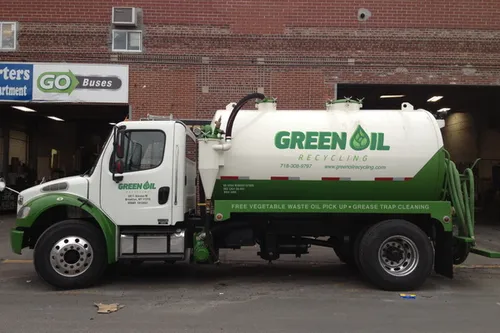
Green Oil Recycling
317 Liberty Ave, Brooklyn, NY 11207
Green Oil Recycling provides professional grease trap cleaning and used cooking oil collection services in New York, NY. They specialize in maintaining commercial kitchen grease traps, including passive hydro mechanical, large pre-cast concrete gravity traps, and auto-grease removal systems like Big Dipper. Their trained technicians thoroughly clean traps, scrape walls, and use bio-safe chemicals to break down waste oil, helping kitchens stay odorless and compliant with local regulations. Green Oil Recycling serves New York City, New Jersey, and Nassau County, ensuring all waste oil disposal meets BIC, DEC, and EPA standards. They also inspect gaskets and fittings to prevent violations and hazards, working closely with Done Right Hood & Fire Safety for comprehensive grease trap and kitchen exhaust maintenance.
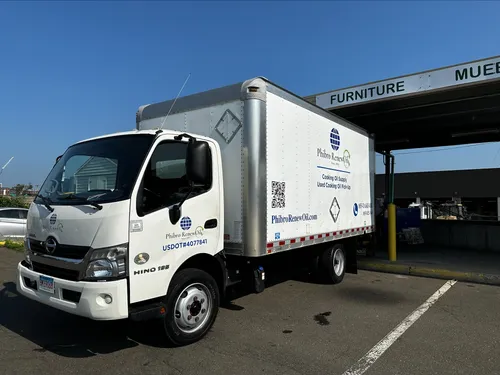
Phibro RenewOil
600 Summer St Suite 205, Stamford, CT 06901
Phibro RenewOil is a used cooking oil collection company serving New York, NY, and surrounding areas in Connecticut and New Jersey. They specialize in collecting, cleaning, and processing waste frying oil from restaurants, commercial kitchens, food trucks, hotels, malls, and municipalities, transforming it into renewable energy products like biodiesel. Their services include secure, anti-theft containers and scheduled pickups, with detailed reporting after each collection. Phibro RenewOil offers transparent quarterly payments and operates with a focus on environmental sustainability.
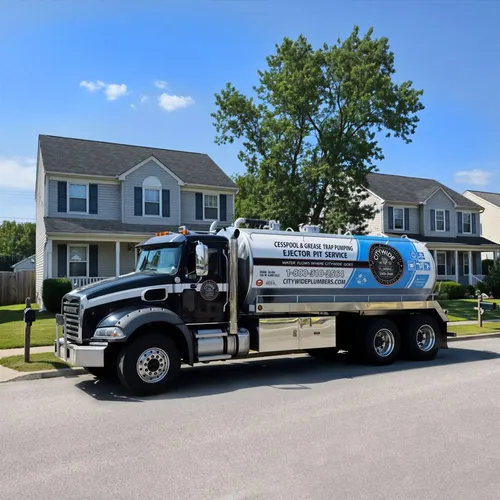
Citywide Grease Trap Maintenance | Cesspool Pumping Service Long Island
110 Voice Rd, Carle Place, NY 11514
Citywide Grease Trap Maintenance | Cesspool Pumping Service Long Island provides comprehensive sewer, drain, cesspool, and grease trap services in New York, NY. Serving both residential and commercial clients in Long Island and the New York Metropolitan area, they offer pumping, cleaning, repairs, and new installations for cesspools and septic systems. Their skilled technicians use state-of-the-art equipment to ensure efficient service. With over 65 years of experience, Citywide also provides 24/7 emergency service to address urgent plumbing needs promptly.

New York Hood Cleaning
New York, NY
New York Hood Cleaning provides grease trap cleaning and used cooking oil collection services in New York, NY. They specialize in thorough cleaning of kitchen ducts, fans, hoods, and vents to maintain commercial kitchen operations. The company emphasizes sustainability by recycling used cooking oil for animal feed or fuel. With decades of experience, they offer skilled service using specialized tools to remove grease effectively. Their approach simplifies operations by combining multiple services under one provider, supported by responsive customer service.
Understanding Local Regulations for Oil Disposal
Navigating the legal landscape is the first step for any White Plains food service operator. The rules are designed to protect the municipal sewer system and the environment, and non-compliance can be costly.
- No Drain Disposal: It is strictly illegal to pour used fryer oil or any grease down the drain, toilet, or into storm sewers. Violations can result in significant daily fines, potentially exceeding $10,000, from the Department of Environmental Protection (DEP) or local authorities 1 2.
- Organics Diversion: Local and state laws increasingly require businesses to keep organic waste, including used cooking oil, out of the regular trash stream. This means you cannot simply throw solidified grease in the dumpster.
- Licensed Hauler Requirement: To ensure proper handling, White Plains restaurants must contract with a licensed grease hauler and recycler. These professionals are permitted to transport and process the material, turning it into biodiesel or other sustainable products. Using an unlicensed collector can leave your business liable.
The Professional Collection Process: How It Works
Partnering with a certified used cooking oil collection provider simplifies compliance into a reliable, hands-off routine. Here's what you can typically expect from a full-service grease collection company.
- Provider Supplies Equipment: The service begins with the hauler delivering and placing specialized collection containers at your location. These are often heavy-duty, leak-proof steel drums or larger outdoor tanks designed for safety and efficiency.
- Fill & Store: Your kitchen staff pours cooled, used oil from fryers and cookware into the provided containers. Many services recommend or provide filtering equipment to remove food particles first, which can improve the oil's quality and potential rebate value 3 4.
- Scheduled Pickup: On a pre-arranged schedule-whether weekly, bi-weekly, or monthly-the hauler arrives to pump out or swap your full containers for clean, empty ones. Reputable providers offer reliable, on-time service and often have 24/7 emergency support for issues like overflows 5.
- Recycling & Documentation: The collected oil is transported to a processing facility where it is converted into renewable resources like biodiesel, sustainable aviation fuel, or industrial feedstocks. Crucially, your business receives a detailed receipt or manifest documenting the volume collected and the recycling destination, serving as your proof of compliance for health and building inspectors.
Best Practices for On-Site Oil Storage
Safe and compliant storage on your premises is essential between pickups. Proper handling prevents accidents, pests, and odors.
- Use Approved Containers: Always store oil in the dedicated, non-reactive containers (like stainless steel) supplied by your hauler. Never use makeshift containers that can degrade or leak.
- Secure Lids: Ensure containers have tight-fitting lids at all times when not in active use. This prevents spills, contamination, and deters insects and rodents.
- Secondary Containment: Regulations often require a secondary containment system, such as a spill pallet or a bermed area, that can hold at least 110% of the volume of your largest storage tank. This captures any potential leaks or overflows 6.
- Strategic Placement: Store containers in a cool, dark, and accessible area, often outdoors or in a dedicated storage closet. Keep them away from heat sources and direct sunlight to maintain stability and safety.
Find the perfect used cooking oil collection companies for your needs
Get personalized recommendations and expert advice
The Financials: Costs, Rebates, and Savings
Implementing a professional used cooking oil management program involves a balance of costs and potential income. For many restaurants, it becomes a net-positive operational line item.
- Service Fees: Many licensed haulers offer collection services at little to no direct cost to the restaurant. Their business model is supported by the value of the recycled commodity. Some may charge a nominal weekly or monthly service fee, particularly for smaller volumes or complex locations.
- Revenue from Rebates: High-quality, well-filtered used cooking oil has significant value in the biofuel market. Many providers share this value with restaurants through rebate programs, paying a per-gallon rate (which can be up to $0.65/gallon or more depending on market conditions) 7 8. This can turn a waste product into a steady stream of ancillary revenue.
- Significant Cost Avoidance: The true savings come from avoiding other expenses. Professional collection prevents catastrophic drain blockages and sewer backups, saving thousands in plumbing repairs and emergency service calls. Most importantly, it shields your business from the massive fines associated with illegal disposal.
Environmental and Operational Benefits
Beyond compliance and economics, proper UCO recycling offers substantial benefits.
- Environmental Stewardship: Recycling used oil into biodiesel creates a clean-burning, renewable fuel that reduces reliance on fossil fuels and lowers greenhouse gas emissions 9. It's a tangible way for your restaurant to support a circular economy.
- Safer, Cleaner Kitchen: Removing hot, slippery grease from the back-of-house workflow reduces the risk of employee slips, burns, and injuries. It also eliminates the mess and pungent odors associated with improper storage 10.
- Enhanced Reputation: Consumers increasingly support businesses with verifiable sustainability practices. Promoting your used oil recycling program can be a positive point of differentiation in the competitive White Plains dining scene.
Choosing a Service Provider in White Plains
When selecting a partner for your grease collection and recycling needs, consider providers with a strong local presence and proven compliance expertise. Companies like Mahoney Environmental, Grease Connections, Eazy Grease, and Bio Energy Development operate in the New York metro area and understand the specific regulatory demands of Westchester County and White Plains 11 12. Look for a provider that offers clear contracts, reliable scheduling, proper documentation, and transparent rebate structures.
Frequently asked questions
Sources
Footnotes
-
Used Cooking Oil Pickup and Recycling in New York City - https://eazygrease.com/used-cooking-oil-pickup-and-recycling-services-new-york-city/ ↩
-
Quick Guide to New York's Used Oil Regulations - https://seagrant.sunysb.edu/marinabmp/section1/pdfs/usedoil_brochure.pdf ↩
-
How Is Used Cooking Oil Recycled? What You Should Know - https://www.thegreasetrapcleaners.com/blog/how-is-used-cooking-oil-recycled-what-you-should-know ↩
-
Used Cooking Oil Collection - NYCCAG - https://nyccag.com/used-cooking-oil-collection/ ↩
-
Used Cooking Oil Pickup vs Drop-Off-What's Best for Restaurants? - https://www.greaseprosrecycling.com/used-cooking-oil-pickup-vs-drop-off/ ↩
-
View Document - Unofficial New York Codes, Rules and Regulations - https://govt.westlaw.com/nycrr/Document/Id4d67d14dfe911e7aa6b9b71698a280b?viewType=FullText&originationContext=documenttoc&transitionType=CategoryPageItem&contextData=(sc.Default) ↩
-
Restaurant Used Cooking Oil: Disposal, Recycling & Revenue Guide - https://greaseconnections.com/restaurant-used-cooking-oil-disposal-recycling-revenue-guide/ ↩
-
Used Cooking Oil Recycling & Grease Pickup | New York City - https://greaseconnections.com/new-york-city/ ↩
-
Navigating Legal Requirements for Used Cooking Oil Disposal - https://bakercommodities.com/blog/2024/02/08/legal-requirement-used-cooking-grease/ ↩
-
Used Cooking Oil (UCO) Collection Service For Restaurants - https://thegreasecompany.com/blog/restaurant-used-cooking-oil-collection/ ↩
-
Used Cooking Oil Pickup and Recycling Services in New York, NY - https://www.mahoneyes.com/waste-oil-pickup-recycling-new-york-ny/ ↩
-
Used Cooking Oil Disposal NYC - Bio Energy Development - https://bioenergy.nyc/services ↩