
Find the Best Used Cooking Oil Collection Companies for Your Business
No obligation • Fast responses • Nationwide coverage

Why you can trust Restaurant Waste Disposal
Restaurant Waste Disposal is a leading U.S. resource for comparing restaurant composting, food-waste recycling, grease trap cleaning, and used cooking oil collection services. Our editorial team researches providers, checks credentials, and organizes unbiased information so operators can make informed decisions. Companies cannot pay to change ratings or placement.
Search providers near you
Best Used Cooking Oil Collection Companies in New York Ranked
For restaurants and food service establishments in New York, managing used cooking oil (UCO) is a critical operational and legal responsibility. Strict state and local regulations govern its storage, transport, and recycling to protect the environment and public infrastructure. Properly navigating these rules not only ensures compliance and avoids significant fines but also transforms a waste product into valuable resources like biodiesel. Partnering with a licensed hauler is essential for a safe, clean, and legally sound disposal process.
Envirogreen Solutions
New York, NY
Envirogreen Solutions provides grease trap cleaning and used cooking oil collection services in New York, NY, including the five boroughs and Nassau County. They help commercial kitchens comply with local environmental regulations by responsibly removing and recycling cooking oil and grease trap waste. Envirogreen is fully licensed and insured, offering compliance paperwork and stickers upon service completion. Their capabilities include grease trap cleaning, cooking oil recycling, and emergency grease trap waste collection. The company is known for maintaining grease traps to keep them flowing properly and offers prompt emergency services when needed.
Loeffels Waste Oil Services
43 Layton Ln, Sparta, NJ 07871
Loeffels Waste Oil Services is a family-owned company based near New York, NY, specializing in used cooking oil collection and grease trap cleaning. They serve commercial clients with reliable waste oil removal and grease trap maintenance, including emergency pump-out services. With over ninety years of experience, Loeffels Waste Oil Services emphasizes safety and efficiency in their operations.
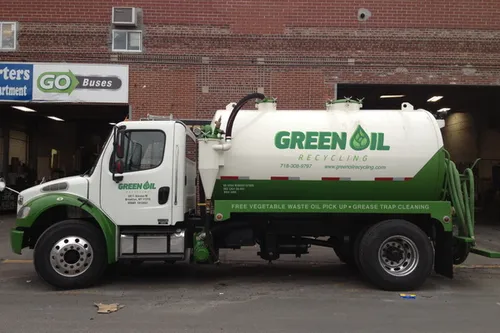
Green Oil Recycling
317 Liberty Ave, Brooklyn, NY 11207
Green Oil Recycling provides professional grease trap cleaning and used cooking oil collection services in New York, NY. They specialize in maintaining commercial kitchen grease traps, including passive hydro mechanical, large pre-cast concrete gravity traps, and auto-grease removal systems like Big Dipper. Their trained technicians thoroughly clean traps, scrape walls, and use bio-safe chemicals to break down waste oil, helping kitchens stay odorless and compliant with local regulations. Green Oil Recycling serves New York City, New Jersey, and Nassau County, ensuring all waste oil disposal meets BIC, DEC, and EPA standards. They also inspect gaskets and fittings to prevent violations and hazards, working closely with Done Right Hood & Fire Safety for comprehensive grease trap and kitchen exhaust maintenance.
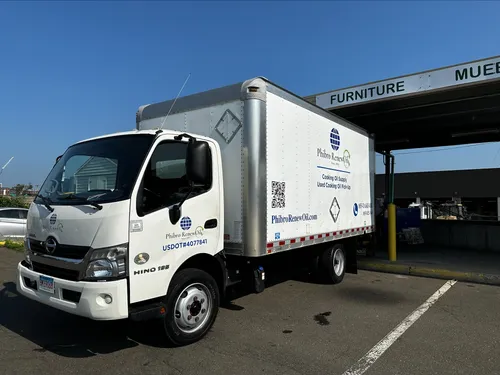
Phibro RenewOil
600 Summer St Suite 205, Stamford, CT 06901
Phibro RenewOil is a used cooking oil collection company serving New York, NY, and surrounding areas in Connecticut and New Jersey. They specialize in collecting, cleaning, and processing waste frying oil from restaurants, commercial kitchens, food trucks, hotels, malls, and municipalities, transforming it into renewable energy products like biodiesel. Their services include secure, anti-theft containers and scheduled pickups, with detailed reporting after each collection. Phibro RenewOil offers transparent quarterly payments and operates with a focus on environmental sustainability.
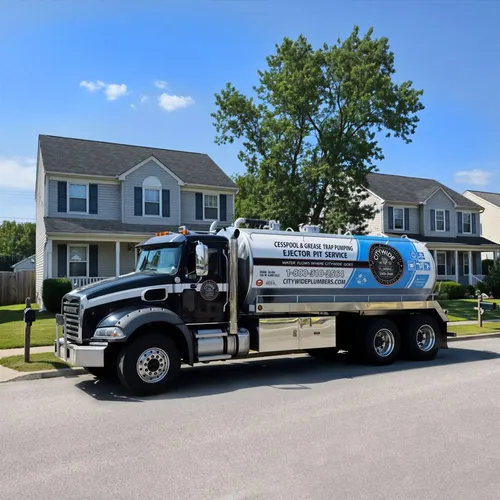
Citywide Grease Trap Maintenance | Cesspool Pumping Service Long Island
110 Voice Rd, Carle Place, NY 11514
Citywide Grease Trap Maintenance | Cesspool Pumping Service Long Island provides comprehensive sewer, drain, cesspool, and grease trap services in New York, NY. Serving both residential and commercial clients in Long Island and the New York Metropolitan area, they offer pumping, cleaning, repairs, and new installations for cesspools and septic systems. Their skilled technicians use state-of-the-art equipment to ensure efficient service. With over 65 years of experience, Citywide also provides 24/7 emergency service to address urgent plumbing needs promptly.
New York's Regulatory Landscape for UCO
New York, particularly New York City, enforces some of the nation's most stringent used cooking oil regulations. The primary framework is established by the New York State Department of Environmental Conservation (NYSDEC) under 6 NYCRR Part 374-2 and supplemented by local city codes, such as those from the NYC Department of Environmental Protection (DEP) 1 2. Non-compliance can result in fines reaching up to $10,000 per violation 3 4.
The rules are designed to prevent environmental contamination and the formation of "fatbergs"-massive congealed masses of fat and grease that clog sewer systems. For any food service business, understanding and adhering to these regulations is the first step in responsible UCO management.
Key Storage Requirements
Proper storage is the foundation of compliance. New York regulations specify that no unprocessed used oil or grease may be stored on-site for more than 30 days. Residue from cleaning must be removed within 7 days. All UCO must be kept in sealed, structurally sound containers that are clearly labeled and stored separately from other waste streams, including trash and recyclables 5. This prevents leaks, spills, and contamination. Many professional collection companies provide these specialized, leak-proof containers at no cost as part of their service 6.
Grease Interceptor Mandates
A closely related requirement is the installation and maintenance of grease interceptors or traps. These devices are mandatory for virtually all food establishments and are designed to capture fats, oils, and grease (FOG) from wastewater before it enters the municipal sewer system. Regular cleaning and maintenance of these traps are essential to prevent overflows and blockages, which are a leading cause of sewer backups and fatberg formation 7. A malfunctioning or overflowing grease trap is a common violation noted during inspections.
The Logistics of Collection and Transport
You cannot simply pour used fryer oil down a drain or place it with regular trash. Legal disposal in New York requires using a licensed transporter. In New York City, haulers must be approved by the NYC DEP and hold a Part 364 waste transporter license.
Working with a Licensed Hauler
Reputable used cooking oil collection providers, such as Mahoney Environmental, Eazy Grease, or Bio Energy Development, handle the entire logistics chain. They typically:
- Install and maintain secure outdoor storage tanks or containers.
- Establish a regular pickup schedule based on your oil volume.
- Provide all necessary documentation for compliance.
- Transport the oil using dedicated, licensed vehicles.
The partnership ensures that oil is moved from your site to a certified recycling facility without legal risk to your business.
Record-Keeping is Crucial
Maintaining accurate records is a non-negotiable part of compliance. For each pickup, you should receive and retain a document (often a manifest or invoice) that includes:
- The hauler's name and license number.
- The date of collection.
- The quantity of oil collected (usually in gallons).
- A signature from both the hauler and a representative from your establishment 8.
These records prove that you are disposing of oil legally and must be available for inspection by the NYSDEC or NYC DEP.
The Value of Recycling Used Cooking Oil
When collected properly, used cooking oil is not waste-it's a feedstock for valuable products. Recycling UCO is a core component of New York's waste reduction and sustainability goals.
From Fryer to Fuel and Beyond
Collected UCO is processed at specialized facilities and transformed into several useful commodities:
- Biodiesel: The most common end product, biodiesel is a renewable, cleaner-burning fuel for diesel engines 9.
- Sustainable Aviation Fuel (SAF): An emerging and high-value market, UCO is being refined into fuel for the aviation industry 10.
- Industrial Feedstocks: The oil can be used in the production of polymers, plastics, and other bio-based materials.
- Heating Oil: Processed UCO can be used in bioheat blends for heating buildings.
This circular economy model provides environmental benefits by reducing fossil fuel dependence and gives your waste product a positive second life.
Find the perfect used cooking oil collection companies for your needs
Get personalized recommendations and expert advice
Understanding Costs and Service Models
The cost structure for used cooking oil collection in New York can vary, but transparent providers offer predictable models. Understanding these helps in selecting the right service partner.
"Free" Pickup and Rebate Programs
Many haulers offer collection at no direct charge to the restaurant. In this model, the hauler generates revenue by selling the collected oil to biodiesel refiners and may share a portion of that revenue back with you as a rebate, typically calculated per gallon collected. This model is most effective for establishments with consistent, high volumes of UCO.
Fixed-Fee and Service Contracts
For businesses with lower or variable output, or those that prefer predictable billing, a fixed monthly service fee is common. Fees can range from approximately $45 to $75 or more per month 11 12. This fee often covers the rental of a larger storage tank (e.g., a 240-gallon container), regular scheduled pickups, and all compliance paperwork. While there's a monthly cost, the per-gallon disposal cost can be very low, and the convenience and compliance assurance are significant benefits.
Avoiding Hidden Fees
When evaluating providers, inquire about all potential charges. Less transparent companies might add fees for container rental, "environmental" charges, or extra pickups outside the schedule 13. A reputable hauler will provide a clear, all-inclusive quote outlining the service frequency, container provision, and total cost.
Practical Steps for Compliance and Best Practices
Implementing a sound UCO management system involves a few key actions:
- Audit Your Current Setup: Ensure your grease interceptor is functioning and on a regular cleaning schedule. Assess where and how you currently store UCO.
- Containerize Properly: Never store oil in open or makeshift containers. Use the sealed, dedicated containers provided by your hauler, kept in a designated, accessible area.
- Select an Approved Hauler: Partner with a NYC DEP-approved or NYSDEC-compliant collection service. Verify their licenses and ask for references from similar establishments 14.
- Establish a Routine: Integrate oil transfer from fryers to the storage container into daily closing procedures. Ensure staff are trained on proper handling to avoid spills.
- Document Meticulously: File every pickup manifest and hauler invoice in an organized compliance folder, either physically or digitally.
- Plan for Logistics: Ensure there is adequate outdoor space with clear access (approximately 12 feet of width) for collection trucks to safely service your storage tank.
By following these steps, you turn a regulatory obligation into an efficient, safe, and sustainable part of your kitchen's operations.
Frequently asked questions
Sources
Footnotes
-
Used Oil - NYSDEC - https://dec.ny.gov/environmental-protection/waste-management/solid-waste-types/used-oil ↩
-
6 NYCRR SUBPART 374-2 - NY.Gov - https://extapps.dec.ny.gov/docs/remediation_hudson_pdf/part3742text.pdf ↩
-
Are You NYC DEP Compliant? - NYCCAG.com - https://nyccag.com/waste-oil-removal-cooking-oil-recycling/are-you-nyc-dep-compliant/ ↩
-
Restaurants Wage War Against Cooking Oil Waste - Waste360 - https://www.waste360.com/waste-recycling/restaurants-wage-war-against-cooking-oil-waste ↩
-
View Document - Unofficial New York Codes, Rules and Regulations - https://govt.westlaw.com/nycrr/Document/I4ead8746cd1711dda432a117e6e0f345?viewType=FullText&originationContext=documenttoc&transitionType=StatuteNavigator&contextData=(sc.Default) ↩
-
Restaurant Grease Pick Up and Disposal Services in New York, NY - https://www.mahoneyes.com/fryer-oil-disposal-recycling-new-york-ny/ ↩
-
6 CRR-NY 361-8.3 - https://govt.westlaw.com/nycrr/Document/Id4d67d14dfe911e7aa6b9b71698a280b?viewType=FullText&originationContext=documenttoc&transitionType=CategoryPageItem&contextData=(sc.Default) ↩
-
Used Cooking Oil Regulations for Food Service Businesses - https://bakercommodities.com/blog/2024/02/08/legal-requirement-used-cooking-grease/ ↩
-
Waste Management For Agriculture - NYSDEC - https://dec.ny.gov/environmental-protection/help-for-businesses/farms-agriculture/waste-management ↩
-
Used Cooking Oil Disposal NYC - Bio Energy Development - https://bioenergy.nyc/services ↩
-
Used Cooking Oil Pickup and Recycling in New York City - https://eazygrease.com/used-cooking-oil-pickup-and-recycling-services-new-york-city/ ↩
-
Choose the Right Used Cooking Oil Storage System - https://greaseconnections.com/choose-right-used-cooking-oil-storage-system/ ↩
-
Used Cooking Oil Recycling & Grease Pickup | New York City - https://greaseconnections.com/new-york-city/ ↩
-
Waste Disposal for Businesses · NYC311 - https://portal.311.nyc.gov/article/?kanumber=KA-01787 ↩