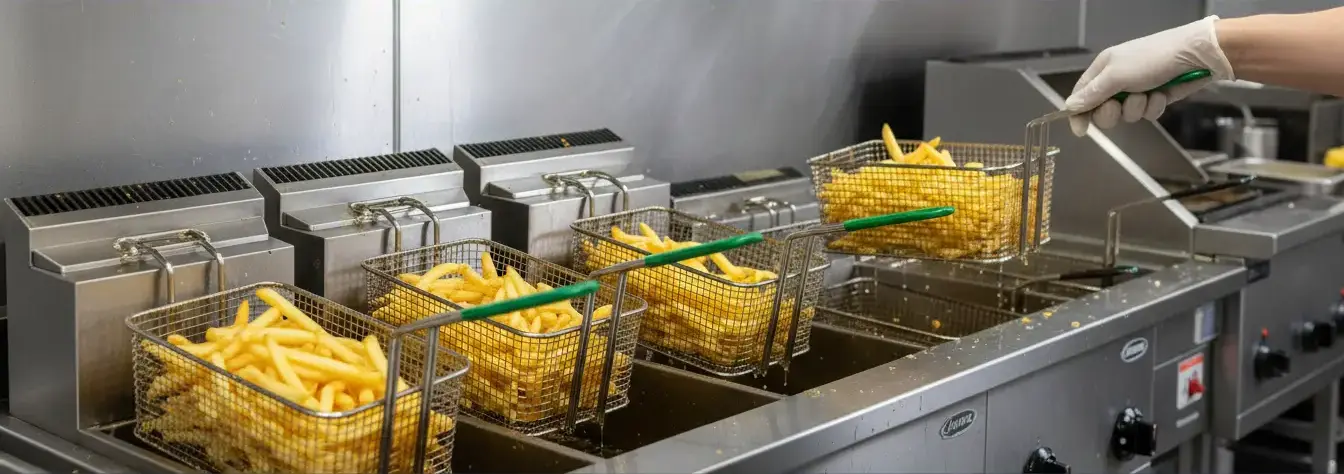
Find the Best Used Cooking Oil Collection Companies for Your Business
No obligation • Fast responses • Nationwide coverage

Why you can trust Restaurant Waste Disposal
Restaurant Waste Disposal is a leading U.S. resource for comparing restaurant composting, food-waste recycling, grease trap cleaning, and used cooking oil collection services. Our editorial team researches providers, checks credentials, and organizes unbiased information so operators can make informed decisions. Companies cannot pay to change ratings or placement.
Search providers near you
Top Used Cooking Oil Collection Companies in Utica, New York Ranked
For restaurants and food service businesses in Utica, managing used cooking oil (UCO) is a critical operational task that intersects with environmental responsibility, regulatory compliance, and potential cost recovery. Proper grease collection and recycling are mandated by New York State regulations and handled by licensed haulers who transform this waste product into valuable resources like biodiesel and animal feed. Navigating this process effectively ensures your business avoids fines, contributes to a circular economy, and can even generate a modest rebate. This guide outlines everything you need to know about setting up a compliant and efficient used cooking oil collection system in the Utica area.
Understanding New York State Regulations for UCO
In New York, used cooking oil is regulated under the New York State Department of Environmental Conservation (NYSDEC) rules, specifically 6 NYCRR Subpart 374-2. Restaurants and commercial kitchens are classified as generators of this waste stream, which carries specific legal responsibilities for storage, handling, and documentation.
The core principle is containment and prevention of environmental release. Used oil must be stored in structurally sound, leak-proof containers or tanks with tight-fitting lids to prevent spills, odors, and pests 1 2. For larger storage volumes, typically in outdoor containers, NYSDEC regulations may require secondary containment-a dike or basin capable of holding 110% of the volume of the largest storage tank-to catch any potential leaks 3. Adherence to these rules is not optional; failure to comply can result in significant penalties from regulatory authorities.
Setting Up Your Kitchen's Oil Collection System
A well-organized collection system starts inside your kitchen. After frying, oil should be cooled and then filtered to remove food particulates before being transferred to your primary storage container. Cleaner oil is more valuable to recyclers and can qualify your business for better rebate rates.
Your storage setup depends on your volume:
- Indoor Storage: For smaller volumes or kitchens with space, using sealed, dedicated barrels or drums (e.g., 40-gallon containers) is common. Indoor storage offers better security against theft and protects the oil from freezing in winter.
- Outdoor Storage: Higher-volume establishments typically use large, locking collection bins (often 300 gallons or more) provided by their hauler. These are placed in a secure, accessible area like a loading dock or fenced enclosure. The locking mechanism is crucial for preventing unauthorized siphoning, which is both a security and environmental hazard.
Choosing the right container and location is the first step in a compliant grease management program.
The Collection and Recycling Process in Utica
Once your storage container is full, the collection process is straightforward but must be documented.
- Schedule a Pickup: Contact your licensed used cooking oil hauler to schedule a service visit. In the Utica region, providers such as Mahoney Environmental and Grease Connections offer regular service routes.
- Oil Transfer: On the scheduled day, a service technician will pump the oil from your storage container directly into their specialized collection truck.
- Receive Documentation: The hauler should provide you with a manifest or service receipt. This document is your proof of proper, legal disposal and is essential for your regulatory records 4 5. It details the quantity collected and the date, which helps in tracking your oil output and rebate calculations.
- Recycling: The collected oil is transported to a processing facility. There, it is cleaned and refined to be reborn as new products. The primary end product is biodiesel, a cleaner-burning alternative to petroleum diesel. It can also be used in the production of sustainable aviation fuel or as an additive in animal feed.
This cycle turns a waste liability into an environmental asset, reducing reliance on fossil fuels and keeping grease out of landfills and sewers.
Find the perfect used cooking oil collection companies for your needs
Get personalized recommendations and expert advice
Cost and Rebate Structures for Restaurants
One of the most common questions from business owners is about the cost of used cooking oil collection. The model is typically not a direct fee-for-service; instead, pricing is based on the volume and quality of oil you generate, with the potential for your business to receive a rebate.
- Low Volume (Less than 100 gallons per month): Many haulers offer free pickup services for this tier. The value of the recycled oil covers the cost of collection, so you avoid a disposal fee but generally do not receive a payment.
- Medium Volume (100-300 gallons per month): At this level, businesses often become eligible for a small rebate, which can range from $0.10 to $0.25 per gallon collected 6. This provides a minor revenue stream to offset operational costs.
- High Volume (Over 300 gallons per month): Establishments with high fryer usage can negotiate better rebate rates, potentially ranging from $0.25 to over $0.65 per gallon 7 8. Consistency and oil cleanliness are key factors in securing the best rates.
It's important to discuss pricing models directly with service providers, as market prices for recycled oil fluctuate based on commodity markets and demand for biofuels.
Options for Residents and Small Businesses
The rules differ for households and very small businesses that generate minimal amounts of used cooking oil, such as from occasional home frying.
The Oneida-Herkimer Solid Waste Authority (OHSWA) provides a free drop-off program for residents at the EcoDrop Utica facility located at 824 Sewage Plant Road 9. Residents can bring cooled, used cooking oil in a sealed, non-glass container for proper recycling. This service is intended for residential use only.
Small commercial entities, even those generating small amounts, are typically not eligible for municipal drop-off programs and should contact a licensed hauler to discuss appropriate service options. Using a hauler ensures proper documentation and compliance with commercial waste regulations 10.
Benefits of Professional Grease Collection
Partnering with a professional used cooking oil collector offers advantages beyond mere compliance:
- Environmental Stewardship: Ensures 100% of your oil is recycled into useful products, supporting New York's sustainability goals.
- Operational Safety: Reduces slip and fire hazards associated with improper oil storage and handling in your kitchen.
- Pest and Odor Control: Secure, sealed containers prevent attracting rodents and insects and contain unpleasant smells.
- Peace of Mind: Eliminates the risk of illegal dumping fines and protects your business from liability associated with improper disposal.
- Potential Revenue: Turns a waste product into a minor asset, contributing to your bottom line.
Frequently asked questions
Sources
Footnotes
-
Used Oil - NYSDEC - https://dec.ny.gov/environmental-protection/waste-management/solid-waste-types/used-oil ↩
-
Grease Collection Service: What is it - Grand Natural Inc - https://www.grandnaturalinc.com/blog/what-is-grease-collection-service.html ↩
-
View Document - Unofficial New York Codes, Rules and Regulations - https://govt.westlaw.com/nycrr/Document/Id4d67d14dfe911e7aa6b9b71698a280b?viewType=FullText&originationContext=documenttoc&transitionType=CategoryPageItem&contextData=(sc.Default) ↩
-
Used Cooking Oil (UCO) Collection Service For Restaurants - https://thegreasecompany.com/blog/restaurant-used-cooking-oil-collection/ ↩
-
Used Cooking Oil Recycling & Grease Pickup | New York City - https://greaseconnections.com/new-york-city/ ↩
-
Used Cooking Oil Disposal: Complete Guide to Grease Pickups - https://greaseconnections.com/used-cooking-oil-disposal-guide-grease-pickups/ ↩
-
Used Cooking Oil Pickup and Recycling Services in New York, NY - https://www.mahoneyes.com/waste-oil-pickup-recycling-new-york-ny/ ↩
-
Restaurant Used Cooking Oil: Disposal, Recycling & Revenue Guide - https://greaseconnections.com/restaurant-used-cooking-oil-disposal-recycling-revenue-guide/ ↩
-
Special Programs | Oneida-Herkimer Solid Waste Authority - https://www.ohswa.org/special-programs/ ↩
-
Cooking Oil | Oneida-Herkimer Solid Waste Authority - https://www.ohswa.org/special-programs/reuserecycle-programs/cooking-oil/ ↩