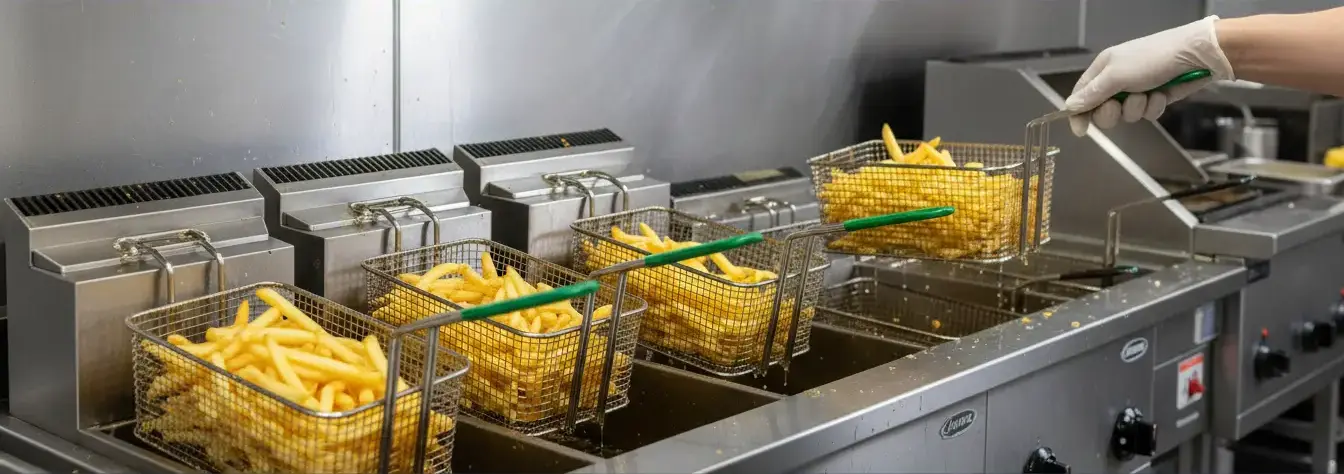
Find the Best Used Cooking Oil Collection Companies for Your Business
No obligation • Fast responses • Nationwide coverage

Why you can trust Restaurant Waste Disposal
Restaurant Waste Disposal is a leading U.S. resource for comparing restaurant composting, food-waste recycling, grease trap cleaning, and used cooking oil collection services. Our editorial team researches providers, checks credentials, and organizes unbiased information so operators can make informed decisions. Companies cannot pay to change ratings or placement.
Search providers near you
Top Used Cooking Oil Collection Companies in Freeport, New York Ranked
For restaurants and food service businesses in Freeport, managing used cooking oil (UCO) is a critical operational and environmental responsibility. Proper collection and recycling of this waste stream not only ensures compliance with New York State and local regulations but also transforms a potential liability into a resource for renewable energy. By partnering with a licensed hauler, Freeport establishments can secure safe, scheduled pickups, often receive equipment, and may even generate a rebate, all while contributing to the circular economy by turning old fryer oil into biodiesel and other sustainable products.
Envirogreen Solutions
New York, NY
Envirogreen Solutions provides grease trap cleaning and used cooking oil collection services in New York, NY, including the five boroughs and Nassau County. They help commercial kitchens comply with local environmental regulations by responsibly removing and recycling cooking oil and grease trap waste. Envirogreen is fully licensed and insured, offering compliance paperwork and stickers upon service completion. Their capabilities include grease trap cleaning, cooking oil recycling, and emergency grease trap waste collection. The company is known for maintaining grease traps to keep them flowing properly and offers prompt emergency services when needed.
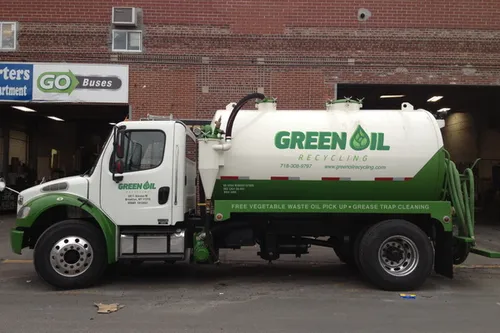
Green Oil Recycling
317 Liberty Ave, Brooklyn, NY 11207
Green Oil Recycling provides professional grease trap cleaning and used cooking oil collection services in New York, NY. They specialize in maintaining commercial kitchen grease traps, including passive hydro mechanical, large pre-cast concrete gravity traps, and auto-grease removal systems like Big Dipper. Their trained technicians thoroughly clean traps, scrape walls, and use bio-safe chemicals to break down waste oil, helping kitchens stay odorless and compliant with local regulations. Green Oil Recycling serves New York City, New Jersey, and Nassau County, ensuring all waste oil disposal meets BIC, DEC, and EPA standards. They also inspect gaskets and fittings to prevent violations and hazards, working closely with Done Right Hood & Fire Safety for comprehensive grease trap and kitchen exhaust maintenance.
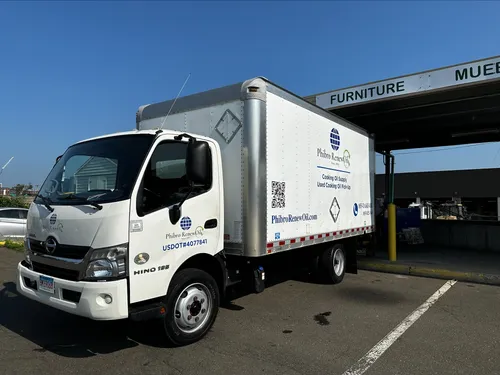
Phibro RenewOil
600 Summer St Suite 205, Stamford, CT 06901
Phibro RenewOil is a used cooking oil collection company serving New York, NY, and surrounding areas in Connecticut and New Jersey. They specialize in collecting, cleaning, and processing waste frying oil from restaurants, commercial kitchens, food trucks, hotels, malls, and municipalities, transforming it into renewable energy products like biodiesel. Their services include secure, anti-theft containers and scheduled pickups, with detailed reporting after each collection. Phibro RenewOil offers transparent quarterly payments and operates with a focus on environmental sustainability.
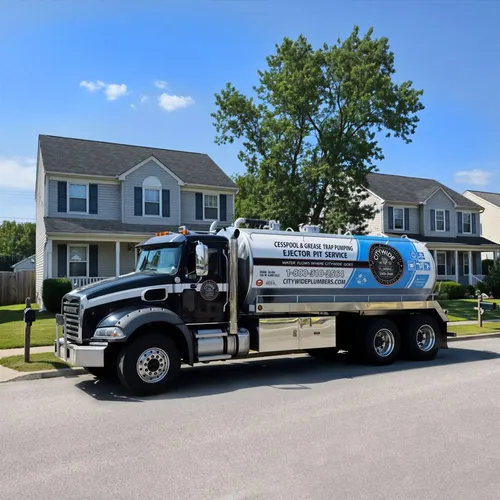
Citywide Grease Trap Maintenance | Cesspool Pumping Service Long Island
110 Voice Rd, Carle Place, NY 11514
Citywide Grease Trap Maintenance | Cesspool Pumping Service Long Island provides comprehensive sewer, drain, cesspool, and grease trap services in New York, NY. Serving both residential and commercial clients in Long Island and the New York Metropolitan area, they offer pumping, cleaning, repairs, and new installations for cesspools and septic systems. Their skilled technicians use state-of-the-art equipment to ensure efficient service. With over 65 years of experience, Citywide also provides 24/7 emergency service to address urgent plumbing needs promptly.
Creative Waste Solutions
New York, NY
Creative Waste Solutions is a waste management company based in New York, NY, offering comprehensive services for businesses. Their offerings include used cooking oil collection, grease trap cleaning, food waste composting, solid waste and recyclables removal, e-waste disposal, and debris removal. They provide a single point of contact for businesses with multiple locations and operate with a network of trusted companies to manage waste efficiently. With decades of experience in the waste industry, Creative Waste Solutions develops tailored waste plans and ensures proper recycling and timely service. They also offer 24/7 availability to support their clients' waste management needs.
Understanding Local Regulations for Oil Disposal
Navigating the rules for waste oil in Freeport requires awareness of both state and practical local standards. As part of Nassau County, Freeport businesses must adhere to New York State Department of Environmental Conservation (NYSDEC) regulations, which set the foundation for safe handling.
- Proper Storage is Mandatory: State codes require used cooking oil to be stored in secure, clearly labeled, and leak-proof containers. A key rule is the requirement for secondary containment-like a dike or basin-that can hold 110% of the storage tank's volume to prevent any spills from contaminating the property or waterways1 2.
- Illegal Disposal Methods: It is strictly prohibited to pour used grease or oil down any drain, into sewers, or to dispose of it with regular trash. Dumping oil can lead to severe sewer blockages, known as "fatbergs," and result in significant fines from local authorities 3.
- The Licensed Hauler Requirement: While Freeport's municipal information may focus on general sanitation, the safe and legal removal of UCO hinges on using a hauler licensed by the NYSDEC. These professionals are authorized to transport and recycle this specific waste stream, providing you with necessary documentation for compliance4.
The Step-by-Step Collection and Recycling Process
Engaging a professional used cooking oil collection service streamlines what can be a messy and complicated task. Here's how a typical service works for a Freeport restaurant.
- On-Site Storage: The process begins with proper on-site containment. Many collection companies provide dedicated, sealed storage containers or tanks at no upfront cost. These are placed in a secure, accessible location for kitchen staff to safely deposit cooled UCO after frying.
- Scheduled Pickup: Based on your volume of oil production, you and the hauler will establish a regular pickup schedule-weekly, bi-weekly, or monthly. On service day, a specialized truck with vacuum equipment arrives to pump the oil directly from your storage container into its tank 5.
- Transport and Processing: The collected oil is transported to a regional processing facility. There, it undergoes filtration to remove food particles and water.
- Transformation into New Products: The cleaned oil is a valuable feedstock. It is primarily converted into biodiesel, a renewable diesel fuel. It can also be used in the production of sustainable aviation fuel (SAF), animal feed supplements, and even bio-based plastics, completing the recycling loop6.
- Documentation for Your Records: A reputable hauler will provide a service ticket or manifest for each pickup. This document is crucial for your records, proving responsible disposal and aiding in any environmental reporting.
Financial Considerations: Potential Costs and Rebates
The economics of used cooking oil collection are not one-size-fits-all; they depend heavily on your restaurant's output and the quality of the oil you produce.
- For Higher Volume Producers: Establishments that generate significant amounts of clean UCO-often cited as over 100 gallons per month-typically qualify for free pickup services. Furthermore, they often receive a rebate check based on the current market price for biodiesel feedstock. The cleaner and more consistent your oil, the better the potential rebate.
- For Lower Volume or Contaminated Streams: If your volume is lower or if the oil is heavily contaminated with water or food solids, the dynamics change. In these cases, haulers may charge a service fee to cover the costs of collection and extra processing. These fees can range from a few cents to over fifty cents per gallon collected7.
- Key Factors Influencing Value: The two most important factors are volume and purity. Maintaining your oil by filtering out food debris and preventing water contamination directly impacts its market value and the terms a hauler can offer.
Find the perfect used cooking oil collection companies for your needs
Get personalized recommendations and expert advice
Choosing the Right Service Provider in Freeport
Selecting a reliable used cooking oil collector is a business decision that affects your operations, compliance, and bottom line. Focus on providers with a proven track record of serving Long Island.
- Verify Licensing and Insurance: Always confirm that the hauler holds a valid NYSDEC license for transporting used oil. Adequate insurance coverage is also essential to protect your business in the rare event of a spill or accident during service.
- Evaluate Service Offerings: Inquire about the specifics: Do they provide storage containers? How flexible are pickup schedules? What is their process for handling emergencies or missed pickups? Clear communication on service terms is vital.
- Understand the Pricing Structure: Be direct in asking about their pricing model. Will you pay a fee, receive a rebate, or is it a neutral service? Get clarity on what constitutes "clean" vs. "contaminated" oil in their assessment, as this directly affects cost8 9.
- Request References and Documentation: A trustworthy company will be able to provide references from other local restaurants and will automatically supply you with detailed service manifests for your environmental compliance records10.
Best Practices for On-Site Oil Management
Maximizing safety, compliance, and potential revenue starts in your own kitchen. Implementing a few best practices can make a significant difference.
- Designate a Storage Area: Choose a secure, level, and well-ventilated area for your UCO storage container. Ensure it is easily accessible for both your staff and the collection truck.
- Implement a Cooling and Filtering Routine: Never pour hot oil directly into a plastic container. Allow oil to cool sufficiently in the fryer before transferring it. Use a strainer to remove large food particles; this simple step greatly improves oil quality.
- Prevent Water Contamination: Water is a major contaminant that reduces the value of UCO and complicates recycling. Train staff to avoid letting water or ice come into contact with stored oil.
- Maintain Clear Communication: Ensure all kitchen staff are trained on the proper UCO handling procedures. Post simple instructions near the storage area to prevent improper disposal down drains.
The Environmental and Community Impact
Responsible used cooking oil collection extends far beyond your kitchen doors. By choosing to recycle, Freeport businesses contribute positively to broader environmental goals.
- Supporting Renewable Energy: The biodiesel produced from your used oil reduces reliance on fossil fuels, lowering greenhouse gas emissions compared to conventional diesel11.
- Protecting Local Infrastructure: Preventing grease from entering the sewer system helps avoid costly blockages and overflows in Freeport and Nassau County's wastewater treatment infrastructure, benefiting the entire community12.
- Promoting a Circular Economy: Recycling UCO into new products is a prime example of a circular economy, where waste is minimized, and materials are kept in use for as long as possible.
Frequently asked questions
Sources
Footnotes
-
View Document - Unofficial New York Codes, Rules and Regulations - https://govt.westlaw.com/nycrr/Document/Id4d67d14dfe911e7aa6b9b71698a280b?viewType=FullText&originationContext=documenttoc&transitionType=CategoryPageItem&contextData=(sc.Default) ↩
-
Quick Guide to New York's Used Oil Regulations - https://seagrant.sunysb.edu/marinabmp/section1/pdfs/usedoil_brochure.pdf ↩
-
Restaurants Wage War Against Cooking Oil Waste - Waste360 - https://www.waste360.com/waste-recycling/restaurants-wage-war-against-cooking-oil-waste ↩
-
Used Oil - NYSDEC - https://dec.ny.gov/environmental-protection/waste-management/solid-waste-types/used-oil ↩
-
Used Cooking Oil Pickup vs Drop-Off-What's Best for Restaurants? - https://www.greaseprosrecycling.com/used-cooking-oil-pickup-vs-drop-off/ ↩
-
Used Cooking Oil Pickup and Recycling Services in New York, NY - https://www.mahoneyes.com/waste-oil-pickup-recycling-new-york-ny/ ↩
-
Used Cooking Oil Pricing & Business Guide - Grease Connections - https://greaseconnections.com/used-cooking-oil-pricing-guide/ ↩
-
Used Cooking Oil Disposal: Complete Guide to Grease Pickups - https://greaseconnections.com/used-cooking-oil-disposal-guide-grease-pickups/ ↩
-
Restaurant Used Cooking Oil: Disposal, Recycling & Revenue Guide - https://greaseconnections.com/restaurant-used-cooking-oil-disposal-recycling-revenue-guide/ ↩
-
Restaurant Grease Pick Up & Disposal Services in New York - https://www.mahoneyes.com/fryer-oil-disposal-recycling-new-york-ny/ ↩
-
Used Cooking Oil Collection - NYCCAG.com - https://nyccag.com/used-cooking-oil-collection/ ↩
-
Cooking Oil and Grease Disposal · NYC311 - https://portal.311.nyc.gov/article/?kanumber=KA-02662 ↩